
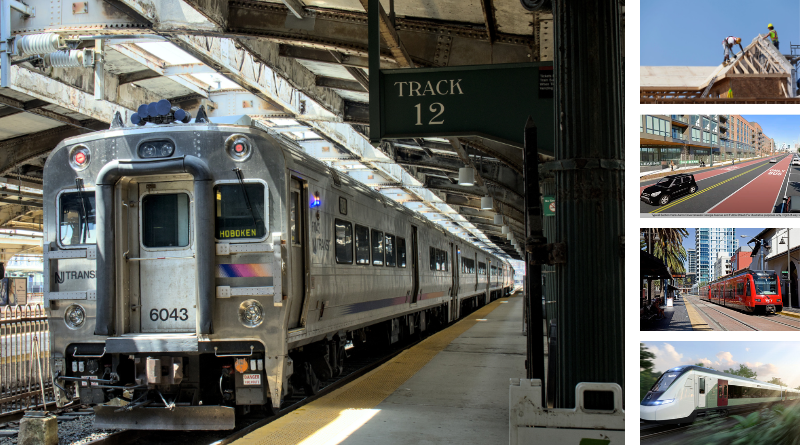
Sherrill proposes $1B for NJT (left) • YIGBY in NJ • SB79 definition problem • MARTA launches BRT • Mexico-US high-speed rail (right top-to-bottom)
Article of the Week
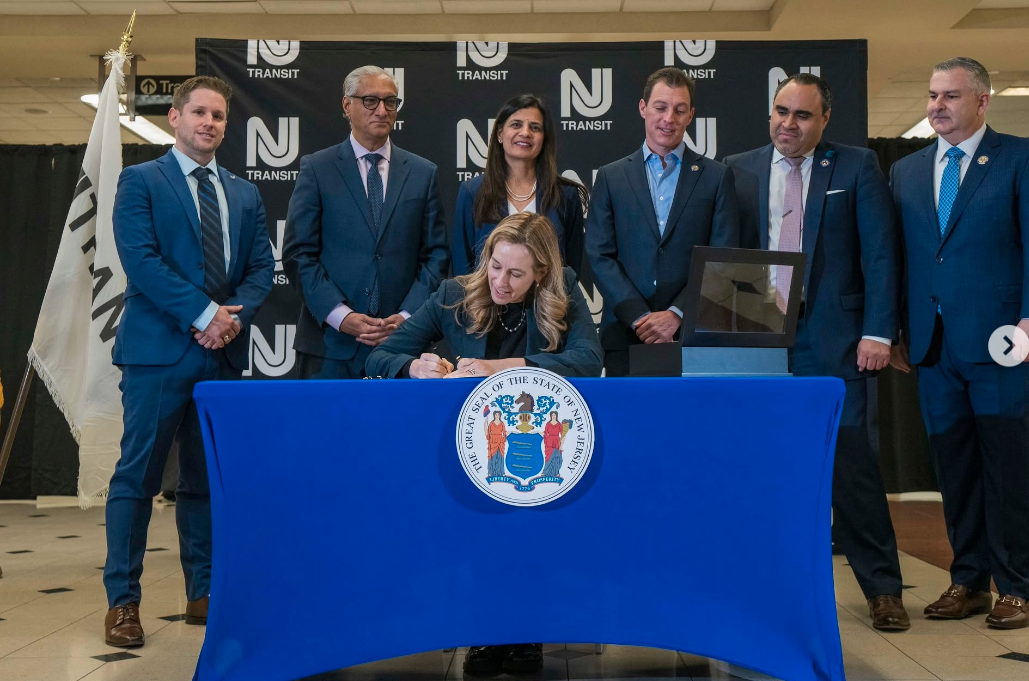
Amid Budget Cuts, Sherrill Proposes More Money for NJ TRANSIT
John Reitmeyer, NJ Spotlight News | April 10, 2026
Mikie Sherrill’s proposed budget allocates more than $1 billion in state funding for NJ TRANSIT to support service upgrades, new vehicles, window replacements, and improved digital tools. Agency officials say the funding would help cover rising costs, though long-term funding remains uncertain as the corporate transit fee lapses in 2028.
NJ TOD News
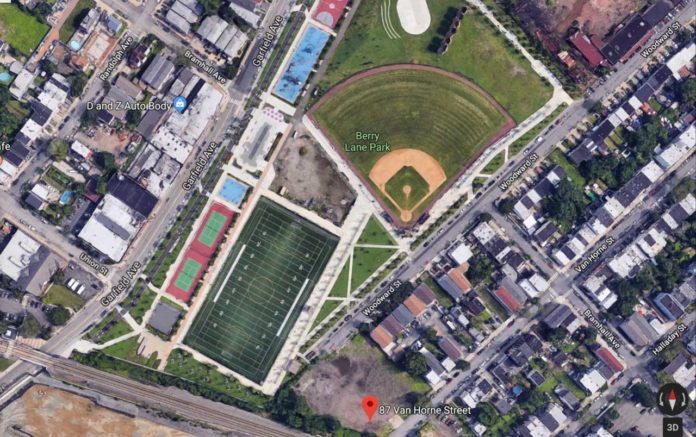
JERSEY CITY—Jersey City Approves 170-Unit Development Near Berry Lane Park
Chris Fry, Jersey Digs | April 9, 2026
The Jersey City Planning Board approved a 170-unit development in the Morris Canal Redevelopment Area. The project includes 18 on-site affordable units, and the developer will contribute funds toward 17 off-site affordable units. The site is within walking distance of Garfield Ave Station on the HBLR.
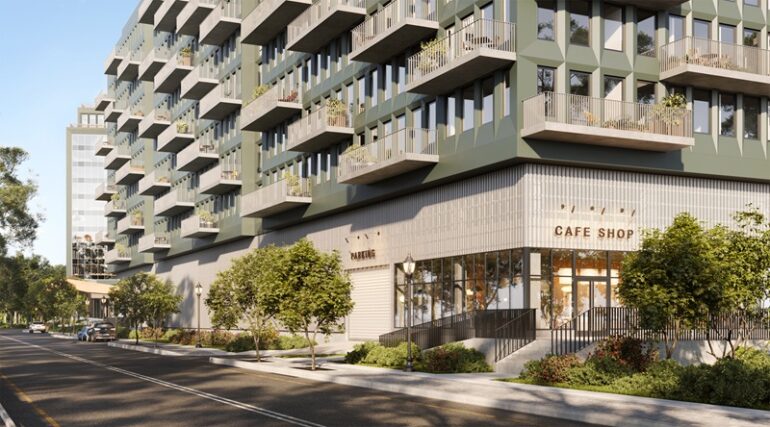
JERSEY CITY—Alpine Set to Unveil 500-Unit Rental Project Near Jersey City’s Liberty Science Center
Joshua Burd, Real Estate NJ | April 7, 2026
Alpine Residential will begin preleasing in May for AVIVA, a 500-unit redevelopment project at Liberty State Park. The project forms part of Liberty Science Center’s broader redevelopment plan to create an innovation district called “SciTech Scity.” The site lies within half a mile of Liberty State Park Station on the HBLR.
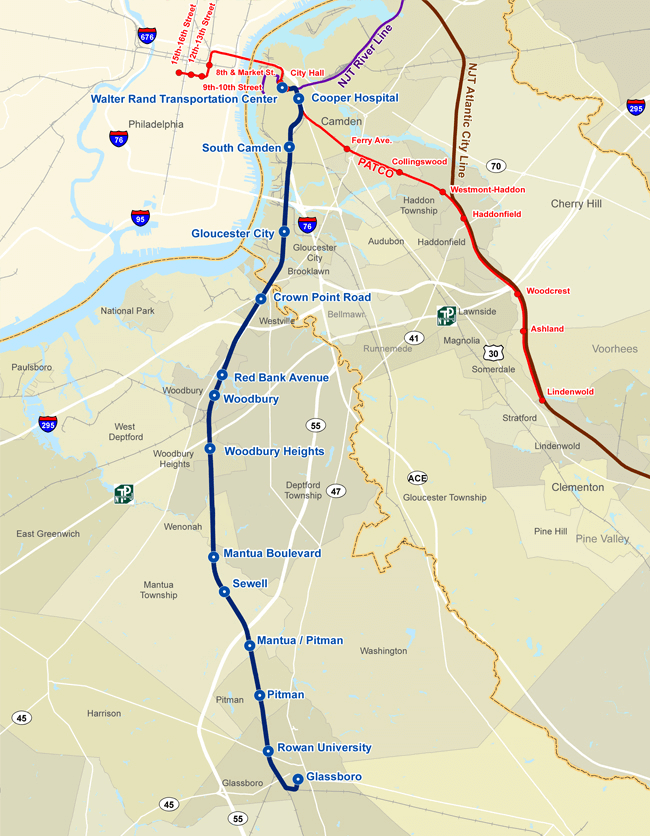
Gov. Mikie Sherrill Is Serious About Making a Long-Sought 18-Mile Light-Rail Connecting Glassboro and Camden Happen
Aliya Schneider, Philadelphia Inquirer | April 6, 2026
Sherrill has outlined plans to expand South Jersey transit, including advancing the proposed Glassboro-Camden Line, exploring Bus Rapid Transit (BRT), and improving service on the River LINE. She aims to launch pre-construction work on the Glassboro-Camden Line alongside budget negotiations for the 2027 fiscal year, though funding remains uncertain for the $2 billion project.

N.J. Senator: We Need 200,000 Affordable Homes. The Solution May Be in Your Neighborhood.
Troy Singleton, NJ.com | April 6, 2026
State Senator Troy Singleton introduced legislation allowing faith-based organizations and nonprofit institutions to bypass some zoning barriers and approvals to build affordable housing. In this op-ed, Singleton argues the bill could unlock new housing opportunities while maintaining some local oversight.
Transit and Equity News
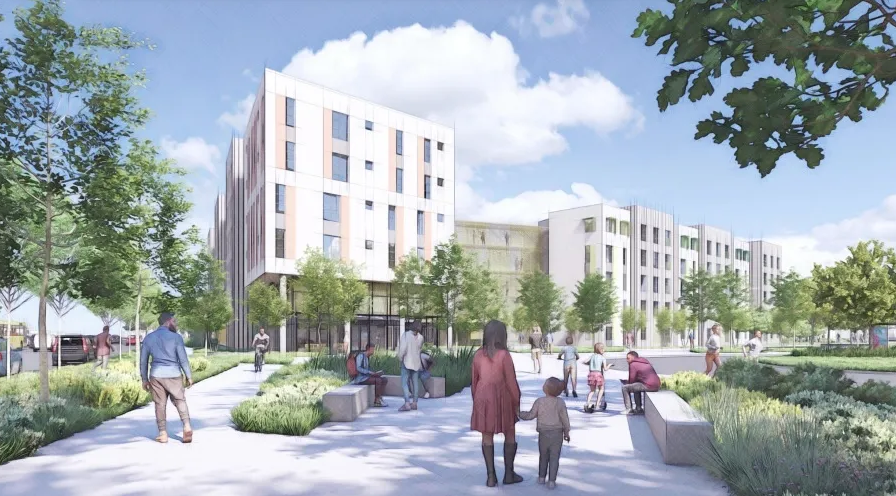
CALIFORNIA—San Jose Puts Up $8.4 Million Loan to Unlock Affordable Housing at Capitol VTA Station
Ryan Macasero, East Bay Times | April 8, 2026
The San Jose City Council approved an $8.4 million loan to MidPen Housing to build a 203-unit fully affordable housing development near the Capitol VTA station. The vote comes as the city confronts an affordability crisis in which nearly one-quarter of renters spend more than half their income on housing.
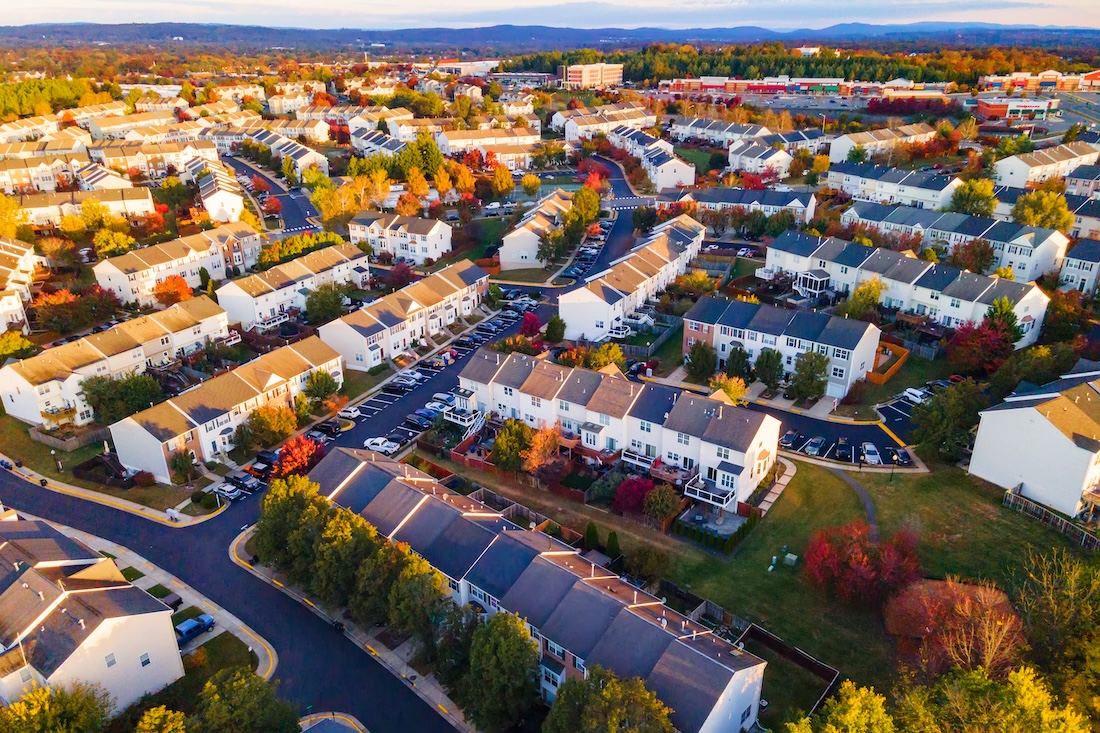
VIRGINIA—Virginia Pushes to Expand Affordable Housing
Elle Cota, Rappahannock News | April 8, 2026
Virginia legislators introduced House Bill 594, which would streamline affordable housing approvals by allowing zoning administrators to approve rezonings instead of elected boards. The proposal aims to address a shortage in which only 35 affordable homes exist for every 100 households that need one.
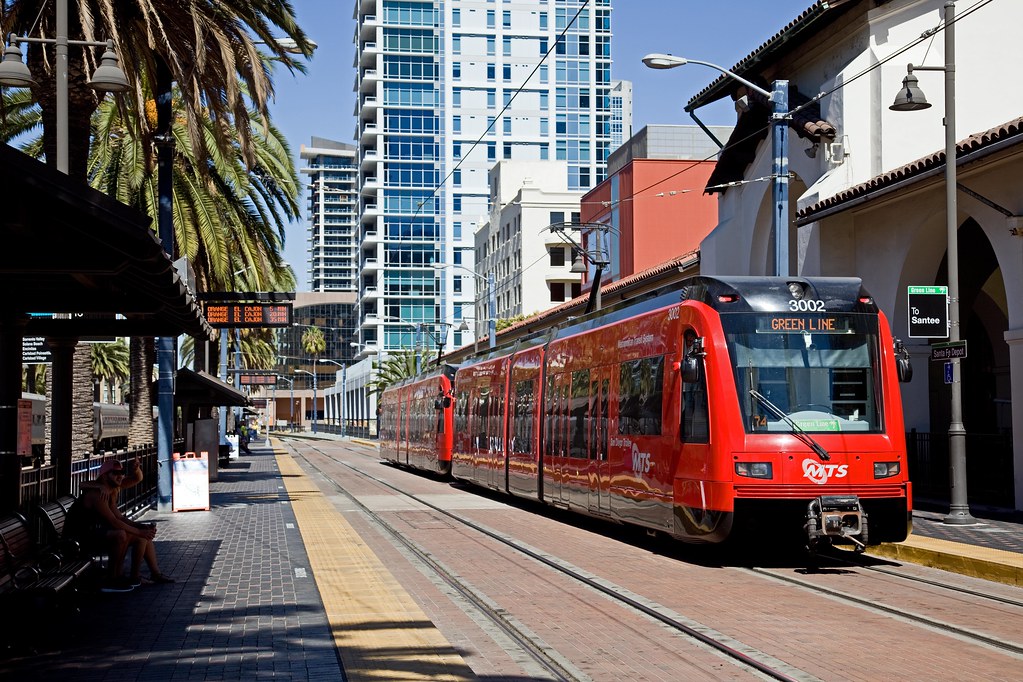
CALIFORNIA—’Major Transit Stop’ Definition Could Make or Break Housing Growth
Lance Murray, Mortgage Point | April 6, 2026
A UCLA study finds that varying definitions of “major transit stop” could significantly change where California allows higher-density housing under SB 79. A broad interpretation of the law could upzone three times more land than a narrow one.
Regional and National TOD News
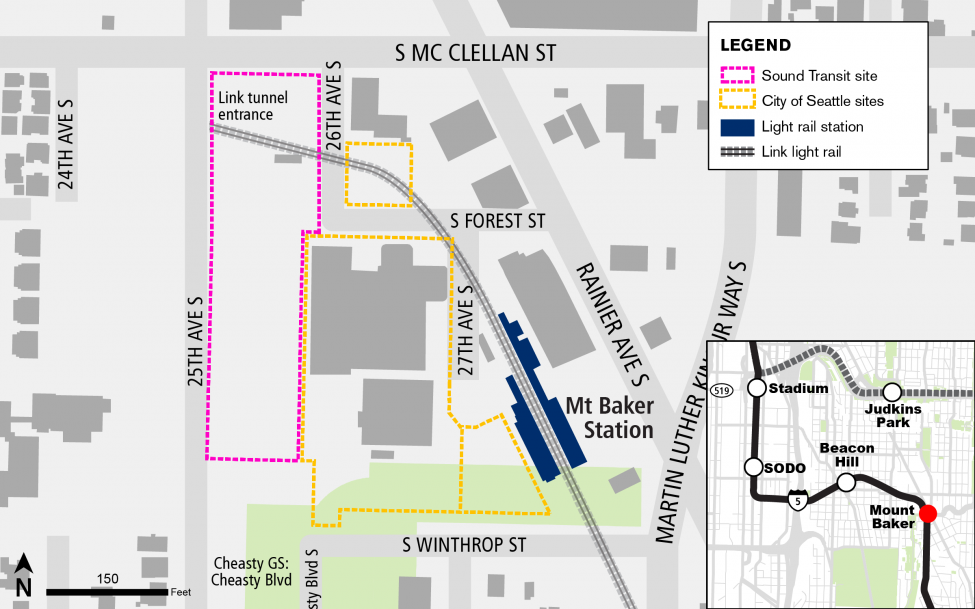
WASHINGTON—Two Long-Dormant Sites at Mount Baker Station Advance Toward Redevelopment
Ryan Packer, The Urbanist | April 10, 2026
The Sound Transit Board approved a resolution allowing redevelopment of two agency-owned vacant parcels near Mount Baker Station. The smaller site will likely become owner-occupied townhomes, while the larger site could support a higher-density mixed-use development. High interest rates and construction costs may delay progress.
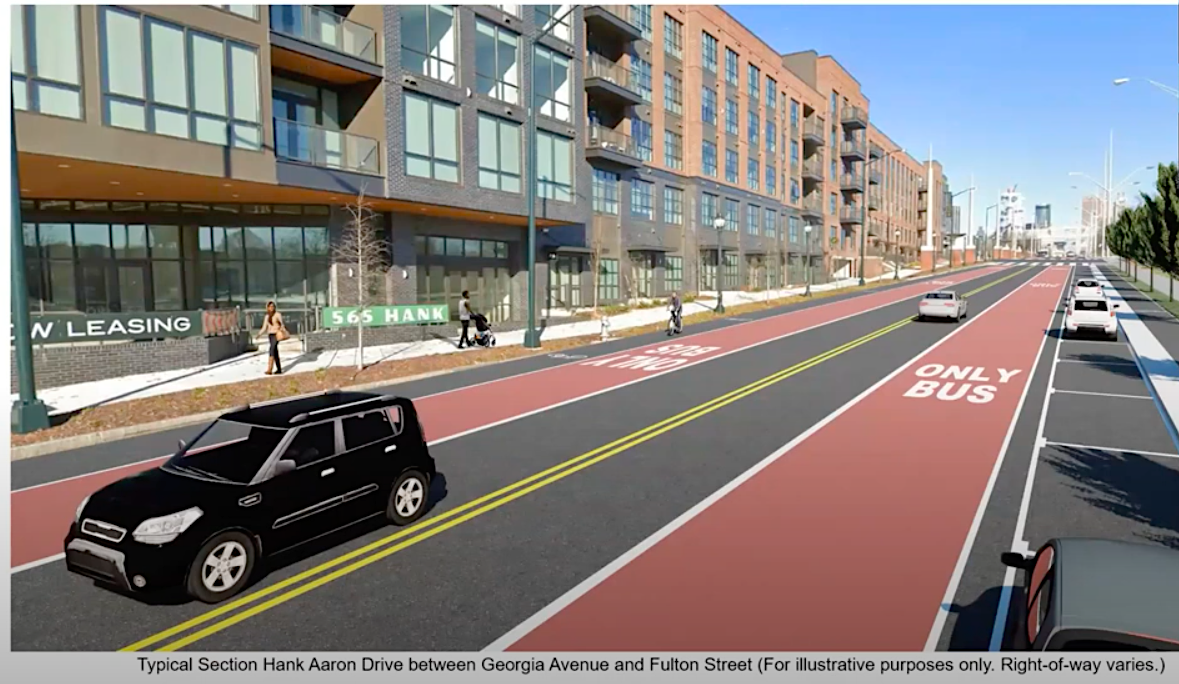
GEORGIA—New MARTA Bus Rapid Transit to Connect Downtown Atlanta to BeltLine
Tyler Fingert, Fox5 Atlanta | April 9, 2026
MARTA will launch its first BRT line on April 18. The $123 million, five-mile route will connect downtown Atlanta with the BeltLine’s Southside Trail and include 14 stops with buses arriving every 10 to 15-minutes.
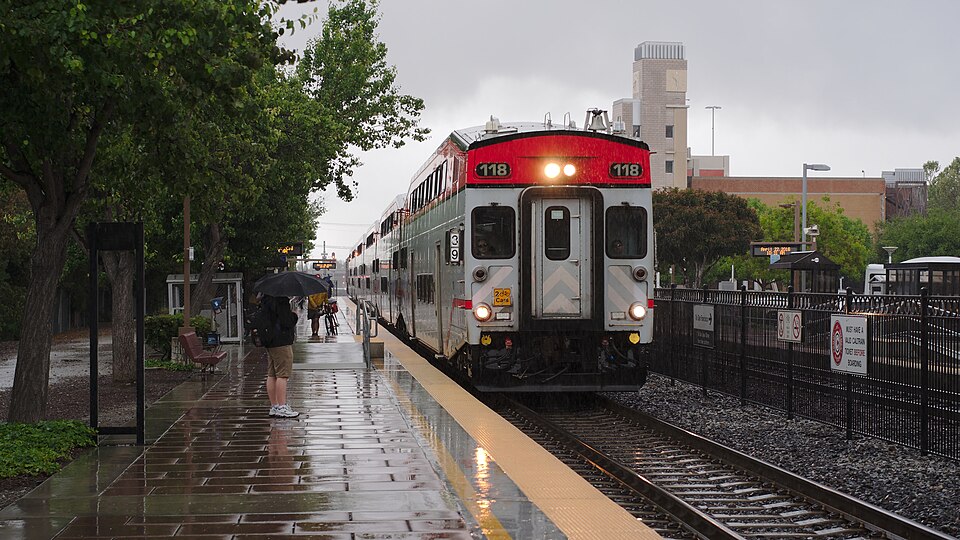
CALIFORNIA—Despite 47% Growth in Ridership, Caltrain Could Close a Third of Its Stations
Diana Ionescu, Planetizen | April 7, 2026
Caltrain faces a projected $75 million budget shortfall beginning in 2027. If voters reject a regional sales tax measure in November, the agency may cut service by eliminating weekend trains, reducing train frequency to hourly service, and closing up to one-third of its 31 stations.

MARYLAND—Governor Moore Advances Transit-Oriented Development in Baltimore, Highlighting Transit Investments and Partnership Across Baltimore Region
Press Release, Office of Governor Wes Moore | April 6, 2026
Governor Wes Moore announced the Baltimore Region Transit-Oriented Development Strategy, which aims to strengthen metro and light rail service while expanding development opportunities around transit. As part of the effort, Maryland issued an RFQ seeking a development partner for Rogers Avenue Metro Station.
International TOD News

VIETNAM—Vietnam’s $67BN Gamble on High-Speed Rail
Tim Gibson, The B1M | April 8, 2026
Vietnam plans to invest $67 billion—about 17 percent of its GDP—to build a 1,541-kilometer high-speed rail line linking Hanoi to Ho Chi Minh City. The project would connect the country’s two largest cities but faces challenges due to mountainous terrain and could divert funding from sectors such as education and healthcare.
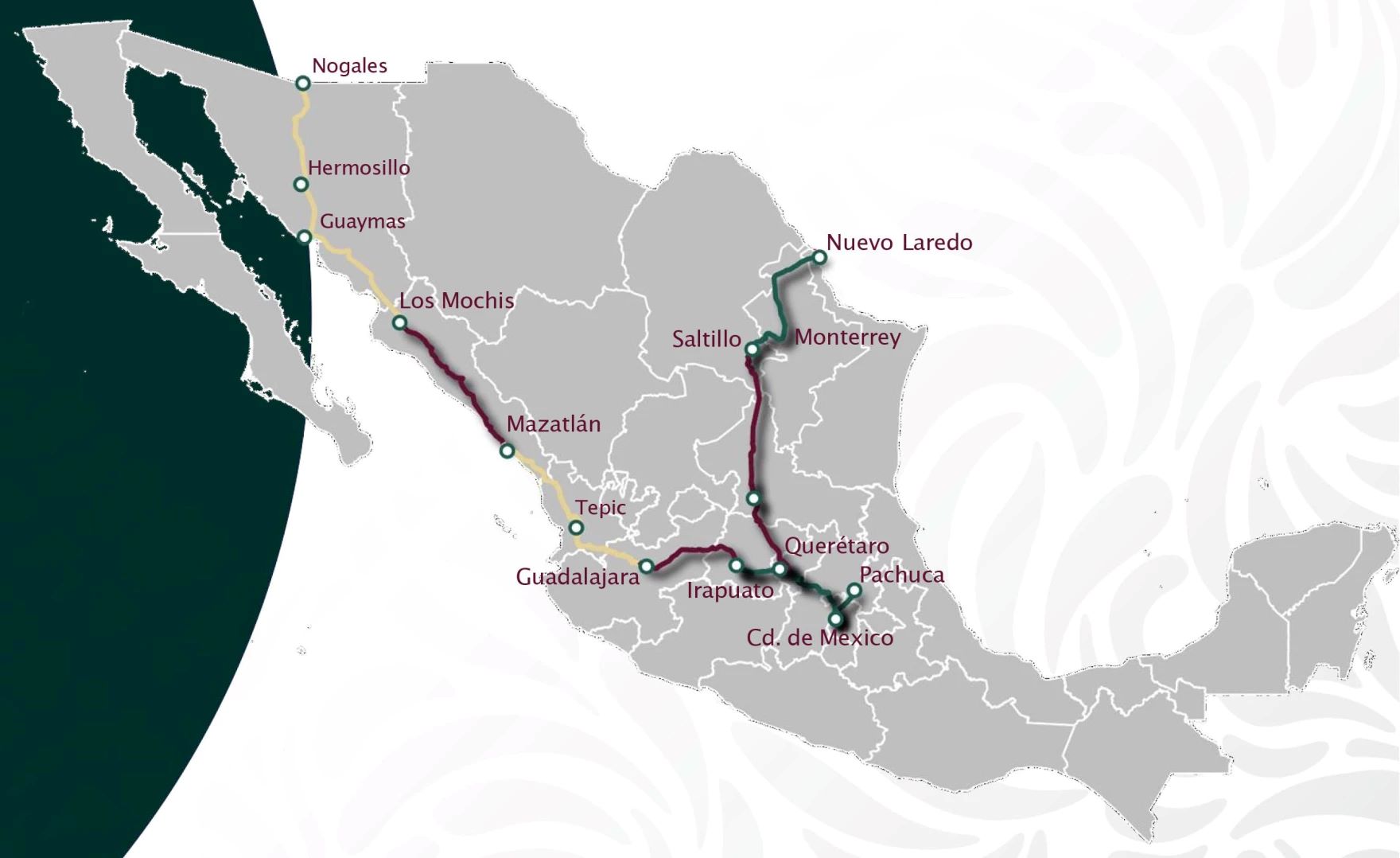
MEXICO and UNITED STATES—Mexico Is in Talks With Arizona, Federal Officials to Bring High-Speed Passenger Trains to Tucson
Connor Greenwall, KJZZ | April 6, 2026
Pima County officials are exploring a proposal to connect Tucson with Mexico’s expanding high-speed passenger rail network in planned lines to reach the U.S. border. Local leaders say the connection could expand tourism and economic ties, though no formal plans have been approved.

Global Cities Relearn an Old Lesson: How to Weather an Oil Shock
Linda Poon and Sarah Holder, Bloomberg | April 2, 2026
Following the oil shock triggered by the United States-Iran war, cities have introduced measures to reduce oil dependence. Some cities have lowered transit fares, encouraged remote work, and reduced speed limits. Similar policies emerged during the 1970s oil crisis, when cities such as Amsterdam and Copenhagen shifted toward transit and bicycle infrastructure.