


Continuing the Conversation | Taking First Steps Toward a Transit Friendly Future: South Jersey Edition
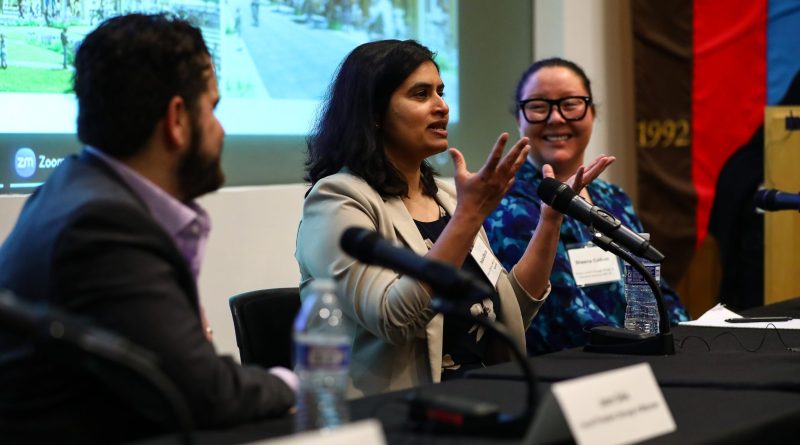
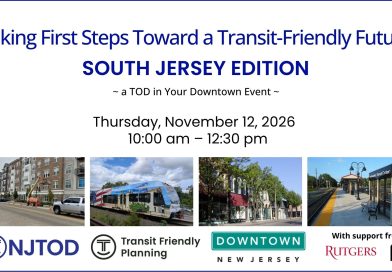
NJTOD is bringing Taking First Steps Toward a Transit Friendly Future to South Jersey. Connect with planners, transportation professionals, and community leaders at Rowan University on November 12.
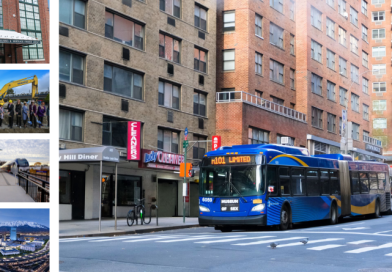
The Week in TOD News October 10-16, 2026
NY voters want density near transit • Housing near Irvington Bus Terminal • Affordable TOD in Seattle • Fort Worth station rezoning• Korean builders join Utah project
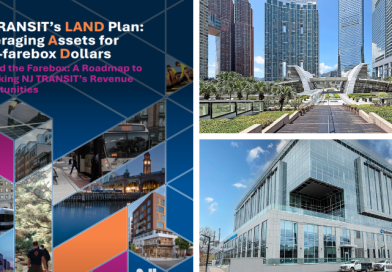
Securing NJ TRANSIT’s Future: Opportunities for Value Capture in New Jersey
High costs and uncertain funding have driven NJ TRANSIT to seek new funding and financing solutions. Value Capture could help by directly capturing the economic benefits generated by transit service and returning a portion of those benefits to the transit agency.
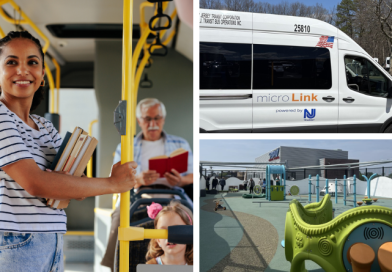
TOD for Everyone: Designing for All Ages and Abilities
TOD can help create more supportive environments for people of all ages and abilities, but simply building near transit stops is rarely enough. Successful age-friendly TOD integrates housing, transportation, and amenities to meet the needs of residents across the lifespan.
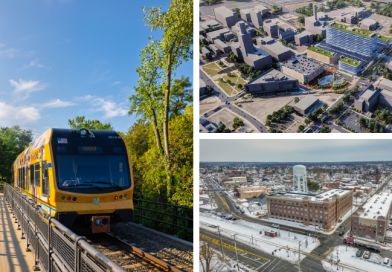
The River LINE’s Untapped Potential
The River LINE’s long-term success depends not only on improving service reliability but also fostering TOD. Communities like Riverside, Burlington, Pennsauken, and Camden demonstrate how walkable, mixed-use station areas can strengthen ridership, housing, and local economic growth.



Rutgers Regional Report: An Analysis of Economic, Demographic and Market Trends
Report Link: Rutgers Regional Report: An Analysis of Economic, Demographic and Market Trends
A report on the history of housing economics and demographics in New Jersey, authored by James W. Hughes and Connie Hughes, estimates that housing production in the 2020s will likely exceed that of each of the previous three decades and come close to matching the housing production boom of the 1980s.