
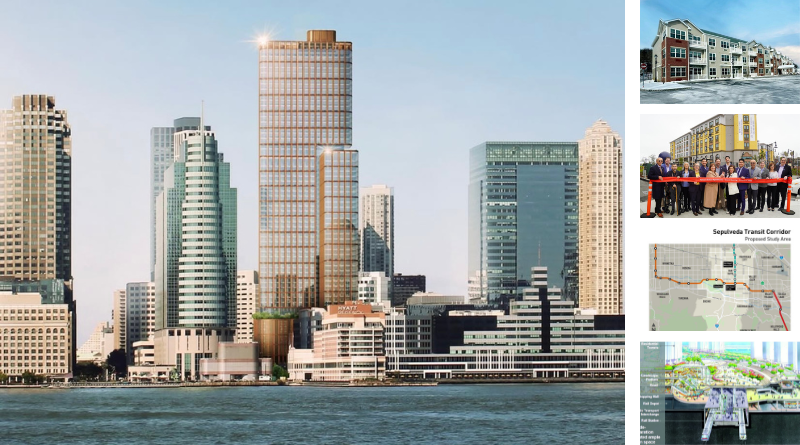
Harborside 4 breaks ground in Jersey City (left) • New Denville development • San Jose affordable housing • LA’s $25B subway plan • Hong Kong & TOD benefits (right top-to-bottom)
Article of the Week
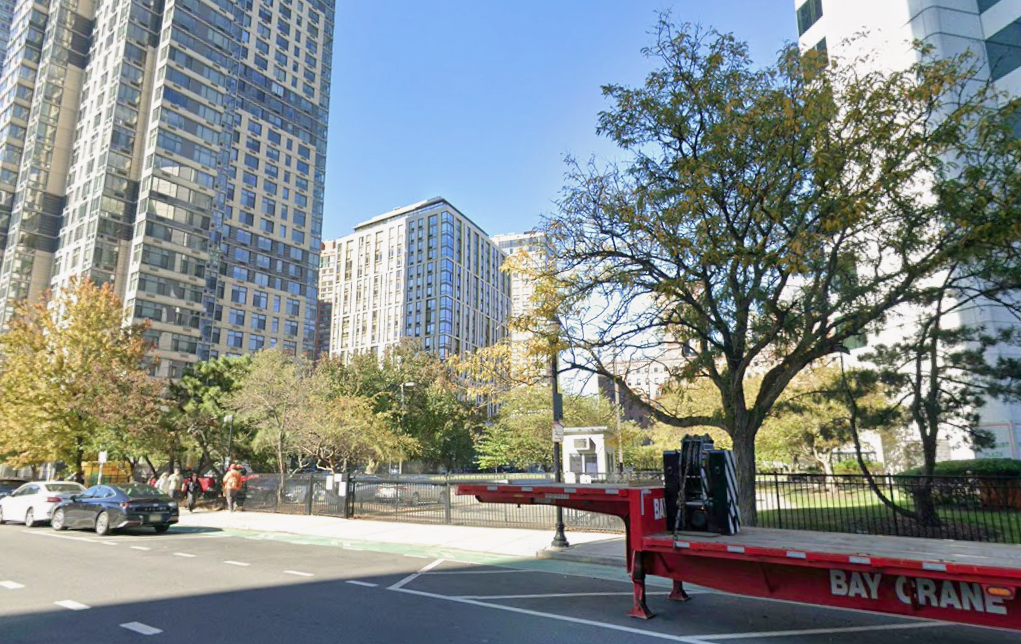
JERSEY CITY—Construction Work Begins on 800-Unit Harborside 4 in Jersey City
Chris Fry, Jersey Digs | January 23, 2026
The Related Companies broke ground on Harborside 4, its first high-rise residential development in New Jersey. The 50-story project will add 800 residential units, a public plaza, and 12,374 sq. ft. of commercial space to downtown Jersey City, within walking distance of multiple HBLR stations.
NJ TOD News
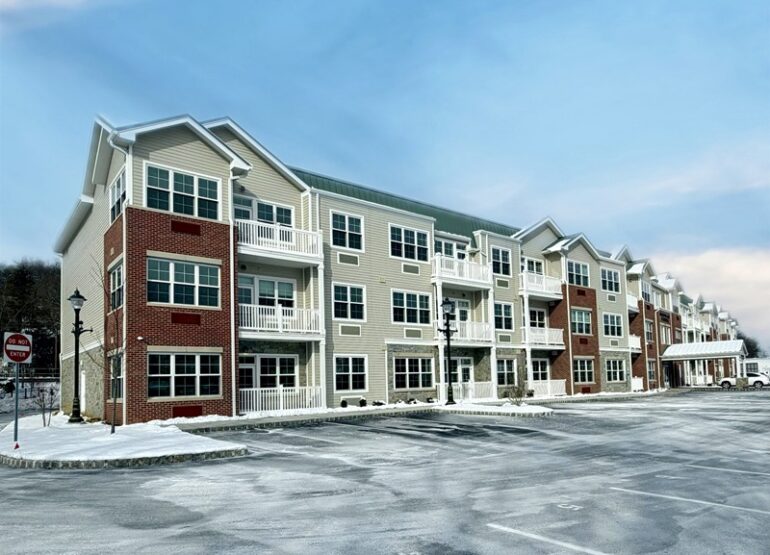
DENVILLE—Donnelly Completes 60-Unit Rental Project Along NJ TRANSIT Rail Line in Denville
Joshua Burd, Real Estate NJ | January 28, 2026
Donnelly Industries opened Station Village at Denville, a new apartment building on a former vacant industrial site next to Mount Tabor Station on the Morris & Essex line. The development includes 60 rental units, with nine reserved for low- and moderate-income households.
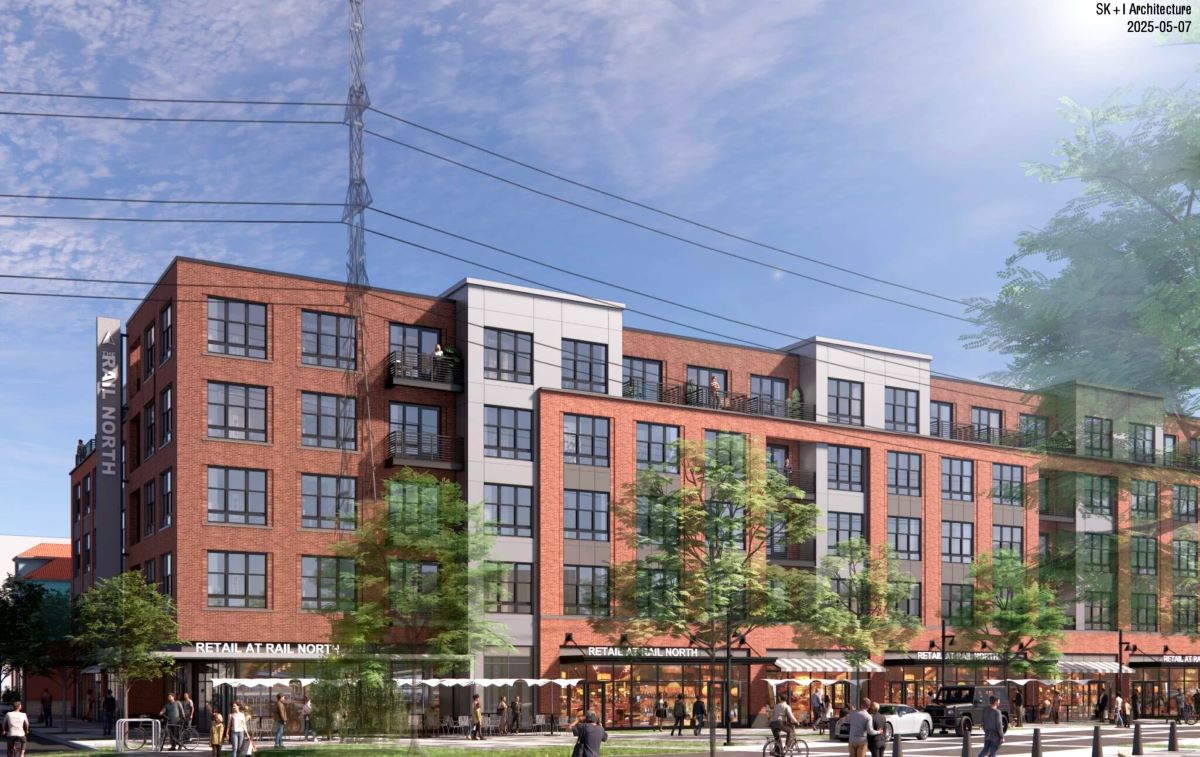
RED BANK—Red Bank Ties the Knot With Denholtz for Train Station Project
Brian Donohue, Red Bank Green | January 28, 2026
The Red Bank Borough Council designated Denholtz as the developer for a 25-acre, 400-unit mixed-use project next to the NJ TRANSIT station. While the Borough has already approved the redevelopment plan, Denholtz must submit a detailed site plan for an additional round of review.
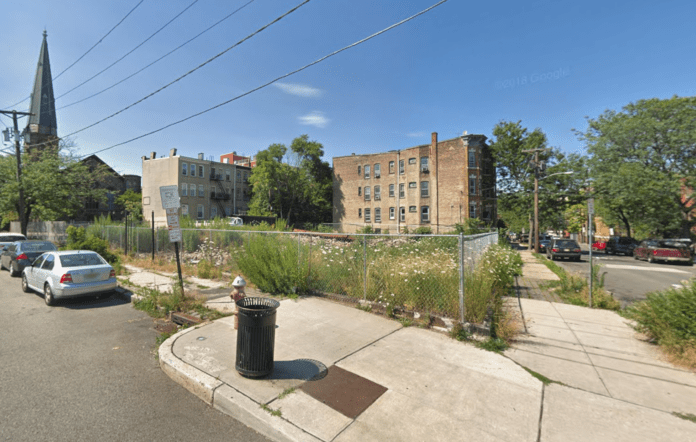
JERSEY CITY—Jersey City Approves Development on Clinton Avenue
Chris Fry, Jersey Digs | January 27, 2026
Jersey City’s Zoning Board approved plans for a 22-unit apartment building with two affordable units, on a vacant lot within walking distance of the Garfield Avenue Station on the Hudson Bergen Light Rail (HBLR) line. The board granted variances for setbacks, maximum height, and increased density.
Transit and Equity News
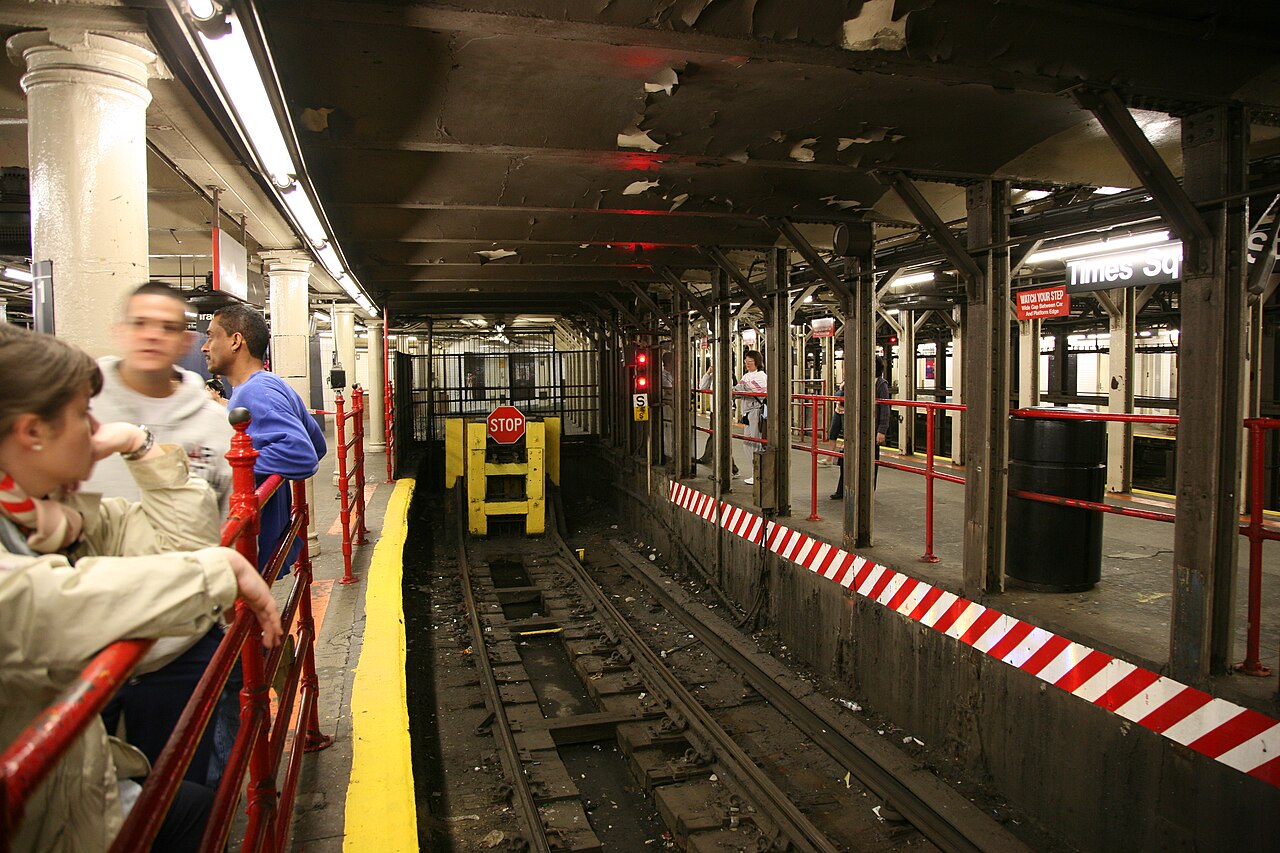
NEW YORK—To Make New York City More Affordable, Extend the Subway
Staff, NYU Marron Institute | January 30, 2026
A report from the NYU Marron Institute of Urban Management proposes investing $1 billion annually over 40 years to construct 41 miles of new subway lines and 64 stations. The $48 billion plan could unlock up to 165,000 new housing units, improving affordability while expanding access to jobs and services.
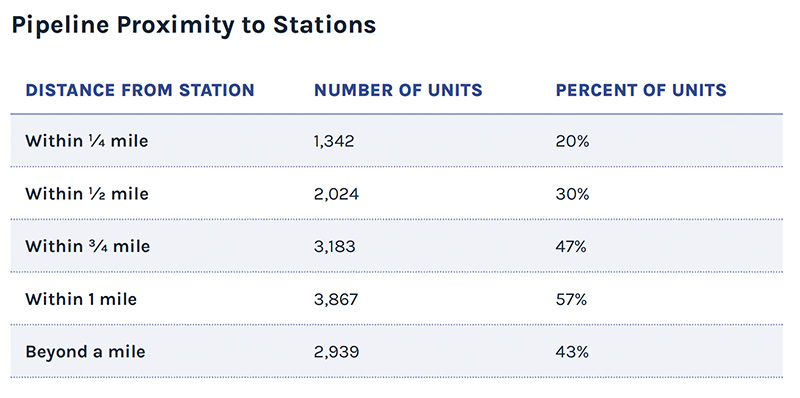
MASSACHUSETTS—Researchers Find MBTA Housing Law Benefits ‘Modest’ So Far
Sam Drysdale, Commonwealth Beacon | January 28, 2026
A Boston Indicators report found the 2021 MBTA Communities Act has produced nearly 7,000 housing units on land upzoned under the law. However, only 30 percent of that development has occurred within a half mile of a transit station.
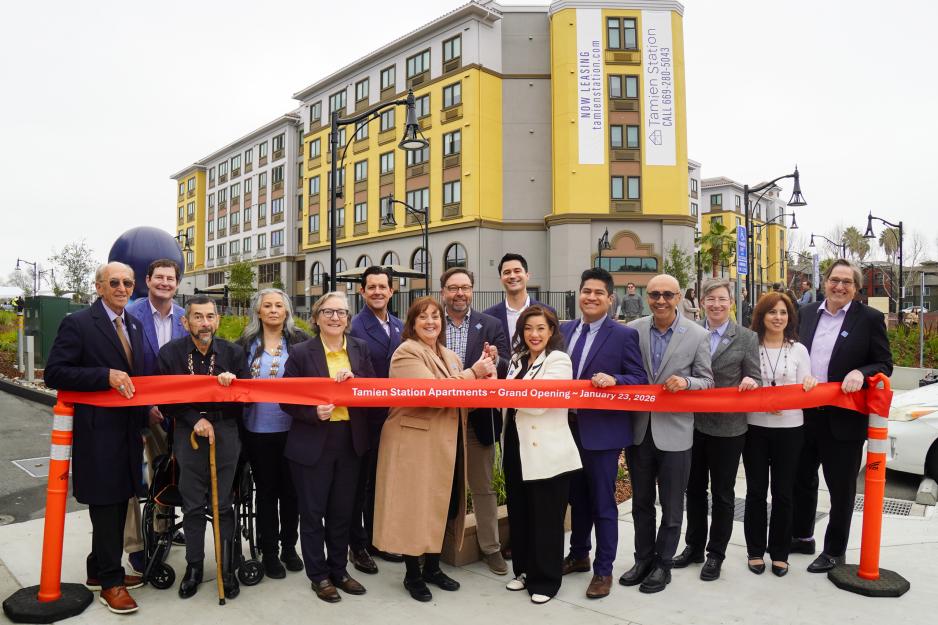
CALIFORNIA—Santa Clara VTA Celebrates Opening of San Jose Affordable Apartments
Ian Bradley, KTVU | January 23, 2026
San Jose opened the Tamien Station Apartment Complex, the city’s first transit-oriented development in more than two decades. Built on a former 1.6-acre Santa Clara VTA-owned parking lot next to the Caltrain light rail station, the project adds 135 housing units, with half dedicated to rehousing people experiencing homelessness.
CALIFORNIA—These Fees Make Affordable Housing More Expensive. Developers Want to Slash Them
Adhiti Bandlamudi, KQED | January 23, 2026
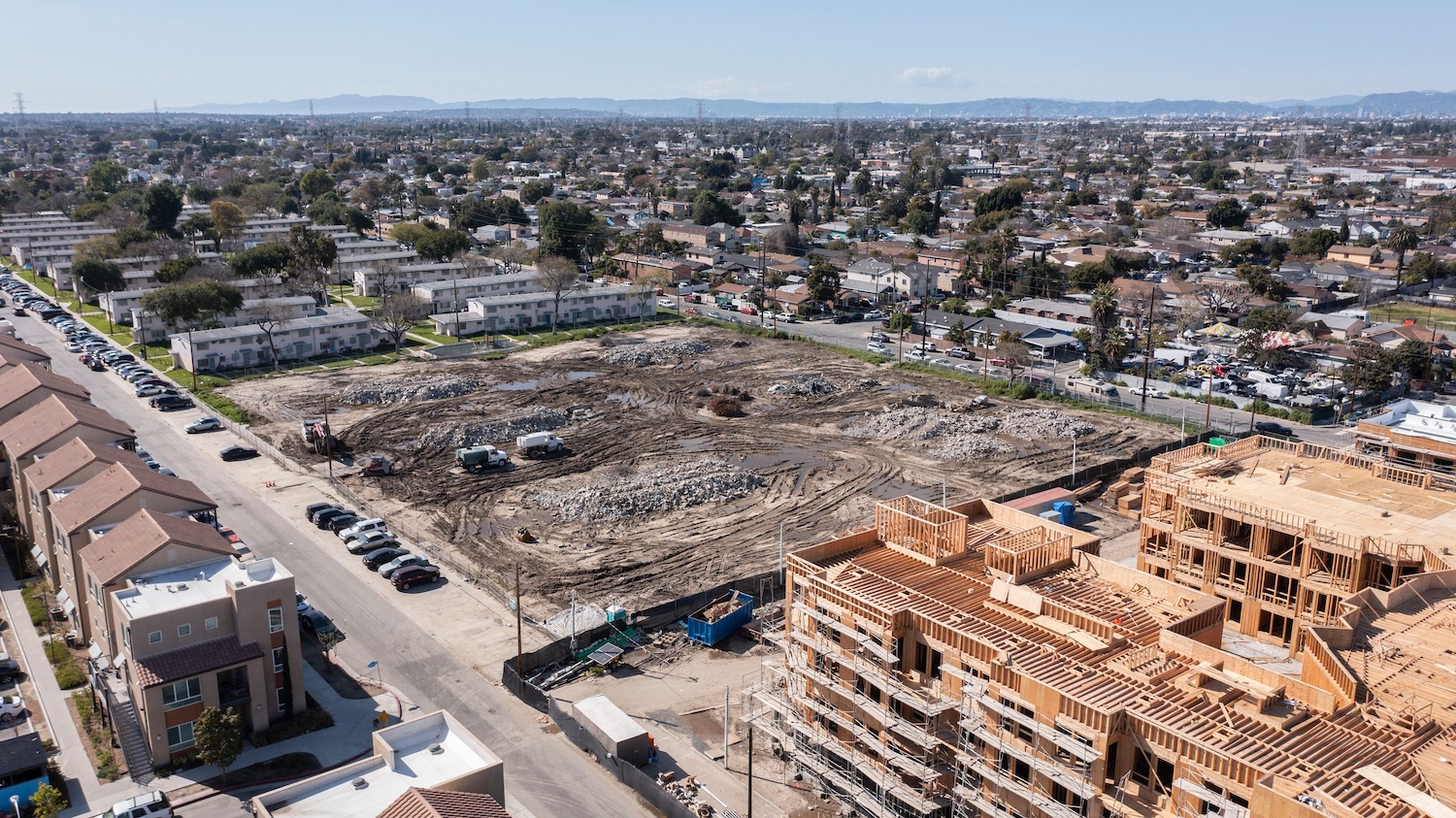
Affordable housing construction costs continue to rise, driven in part by requirements to fund parks, schools, and public art. In 2023, these fees totaled nearly $1.2 billion—enough to house an additional 5,000 families statewide. While reducing impact fees could lower construction costs, it would also reduce funding for critical municipal infrastructure.
Regional and National TOD News
CONNECTICUT—Plans for New Haven Area Bus Rapid Transit Presented at Community Meeting
Jeremy Chen, NBC | January 28, 2026
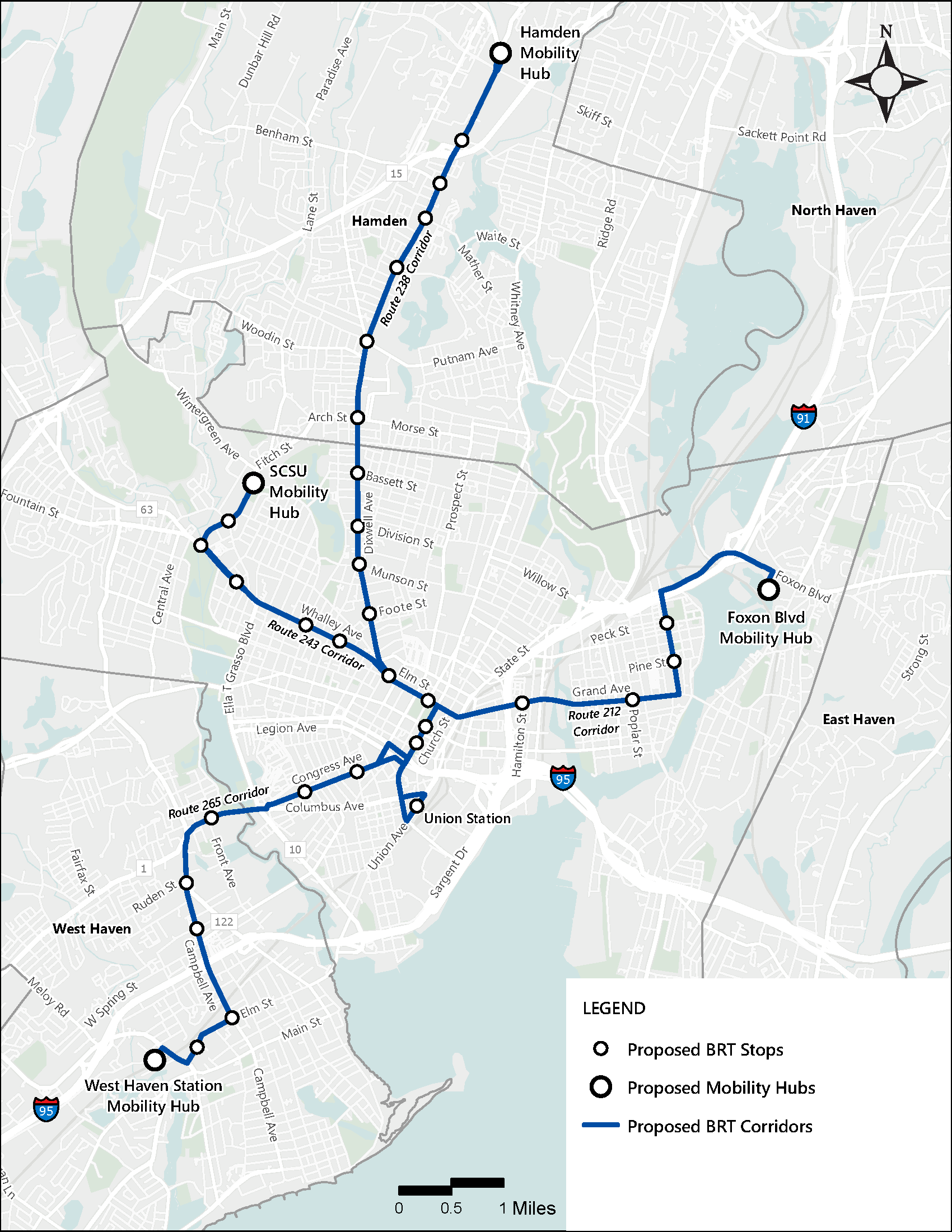
New Haven and New Haven and Connecticut leaders unveiled a $300 million plan to implement BRT on four existing bus routes connecting New Haven, Hamden, and West Haven. Funded by state and federal grants, the project is expected to begin construction in 2028 and open to riders in 2030.
NEW YORK—NYC Congestion Pricing Tolls Rake in $562M During First Year
Ramsey Khalifeh, Gothamist | January 28, 2026
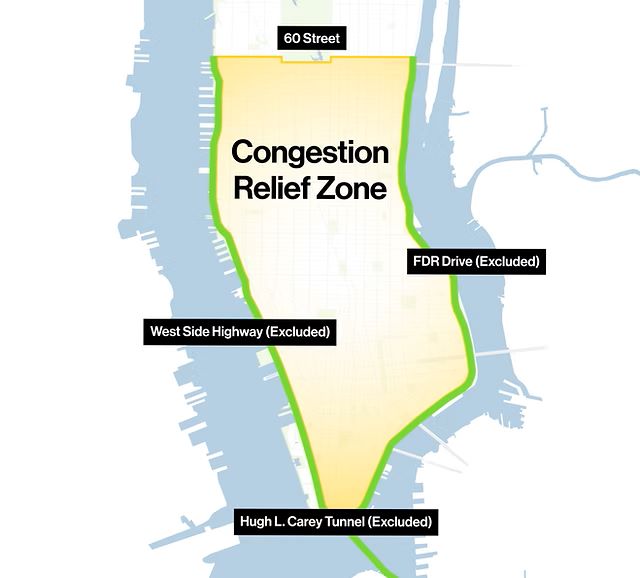
The MTA reports that Manhattan’s congestion toll generated $562 million in net revenue its first year, exceeding agency estimates. In addition to revenue, MTA reported higher traffic and bus speeds, and improvements in air quality.
MASSACHUSETTS—MassDOT Begins Marketing Former Freeway Land in Fall River for Transit-Oriented Housing Development
Christian MilNeil, Streetsblog Mass | January 27, 2026
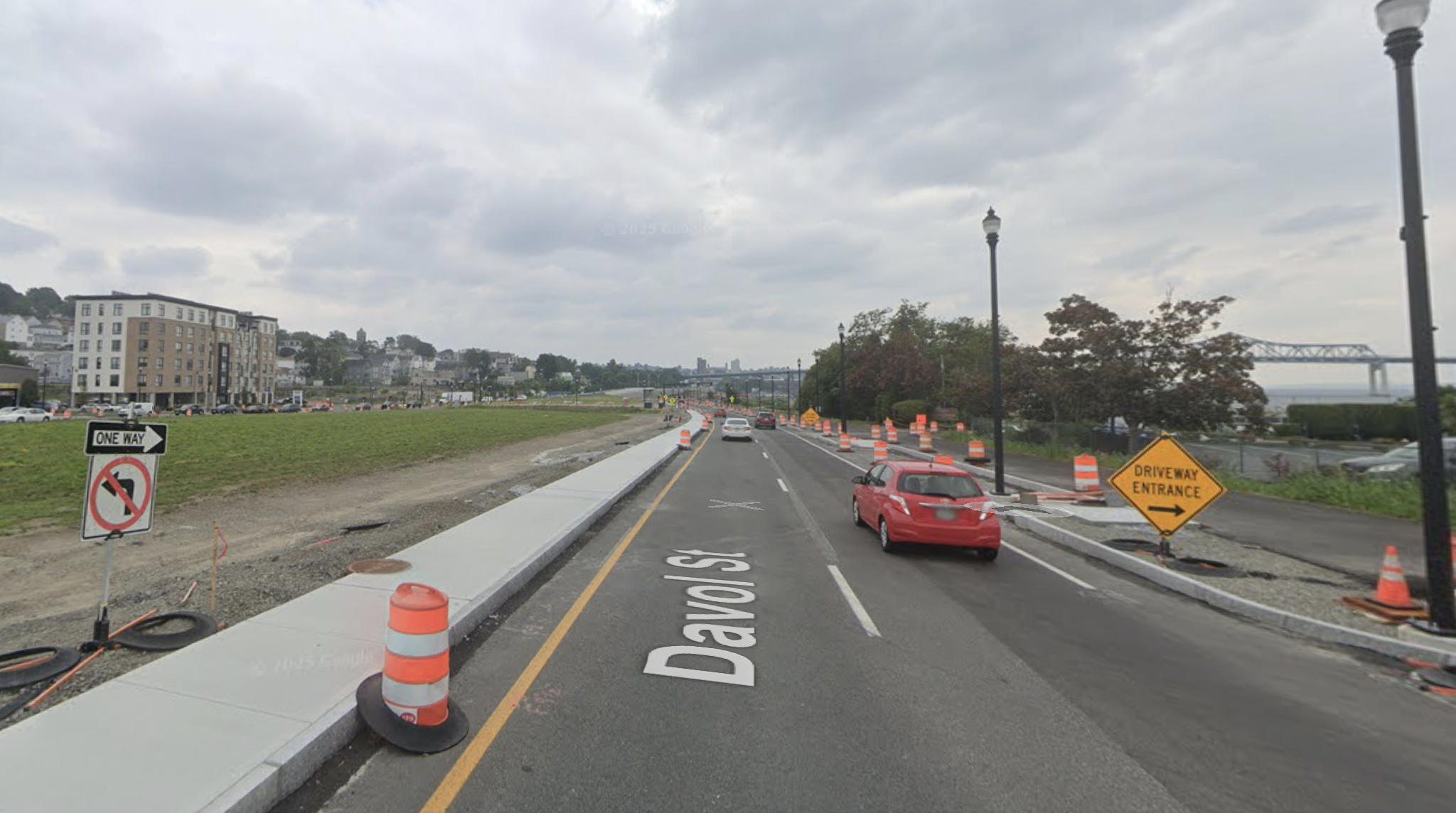
MassDOT will market more than 25 acres of waterfront land reclaimed through a highway demolition for transit-oriented development in Fall River. The City’s redevelopment authority plans to build thousands of new homes, ground-floor businesses, and protected bike lanes near the recently opened Fall River Station.

Why Transit, Density, and Walkability Matter for Social Connection
Elisa Ramirez, Transportation for America | January 26, 2026
Reliable transit, density, and walkable communities can reduce loneliness by creating everyday opportunities for social connection and trust. By contrast, car-dependent sprawl isolates people, weakens community ties, and worsens the growing public health crisis of social isolation, which increases risk of depression, dementia, and heart disease.
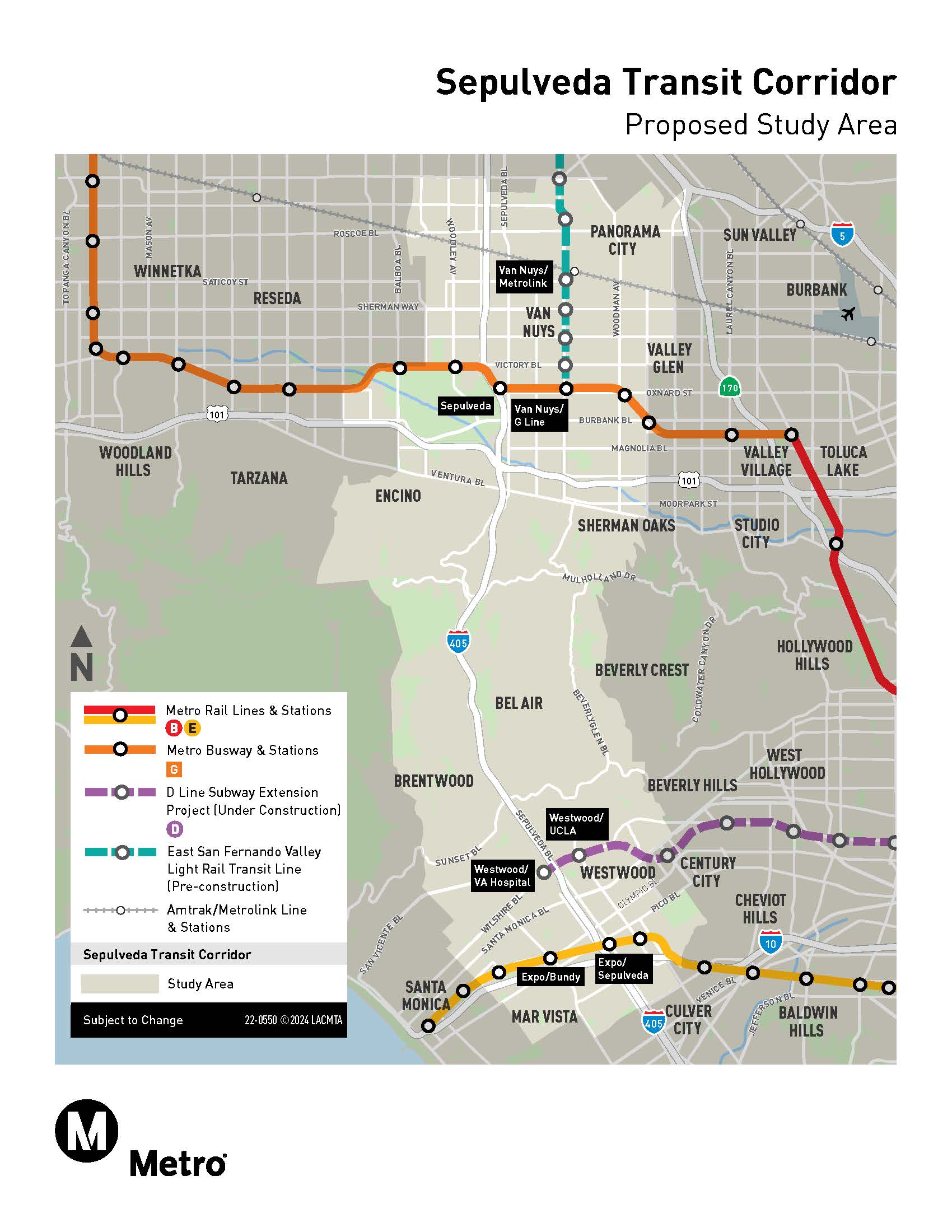
CALIFORNIA—LA Metro Approves Massive $25B Underground Rail Line to Bypass 405 Freeway
Staff, Fox Los Angeles | January 22, 2026
LA Metro approved a $25 billion plan to build an underground heavy rail line connecting the San Fernando Valley and the Westside. The 13-mile corridor would include seven stations and draw funding from a voter-approved 2016 sales tax, though construction remains several years away.
International TOD News
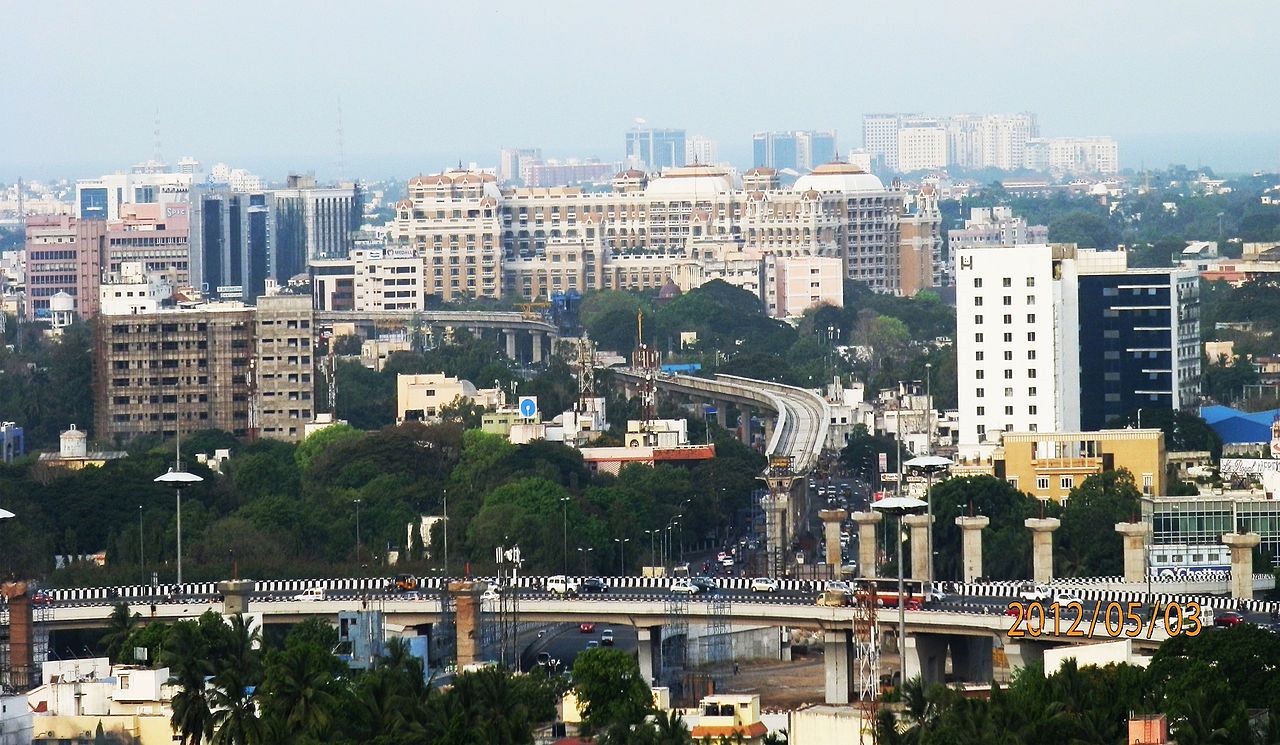
INDIA—Economic Survey 2025-2026: Urban Land Dead Capital, Must Be Used Well
Staff, The Hindu Bureau | January 29, 2026
India’s Economic Survey 2025-2026 identifies large areas of urban land as dead capital—land left unproductive by restrictive zoning and market inefficiencies. The survey calls for gradual density increases in major cities, paired with investments in supportive infrastructure such as sanitation and public transit.
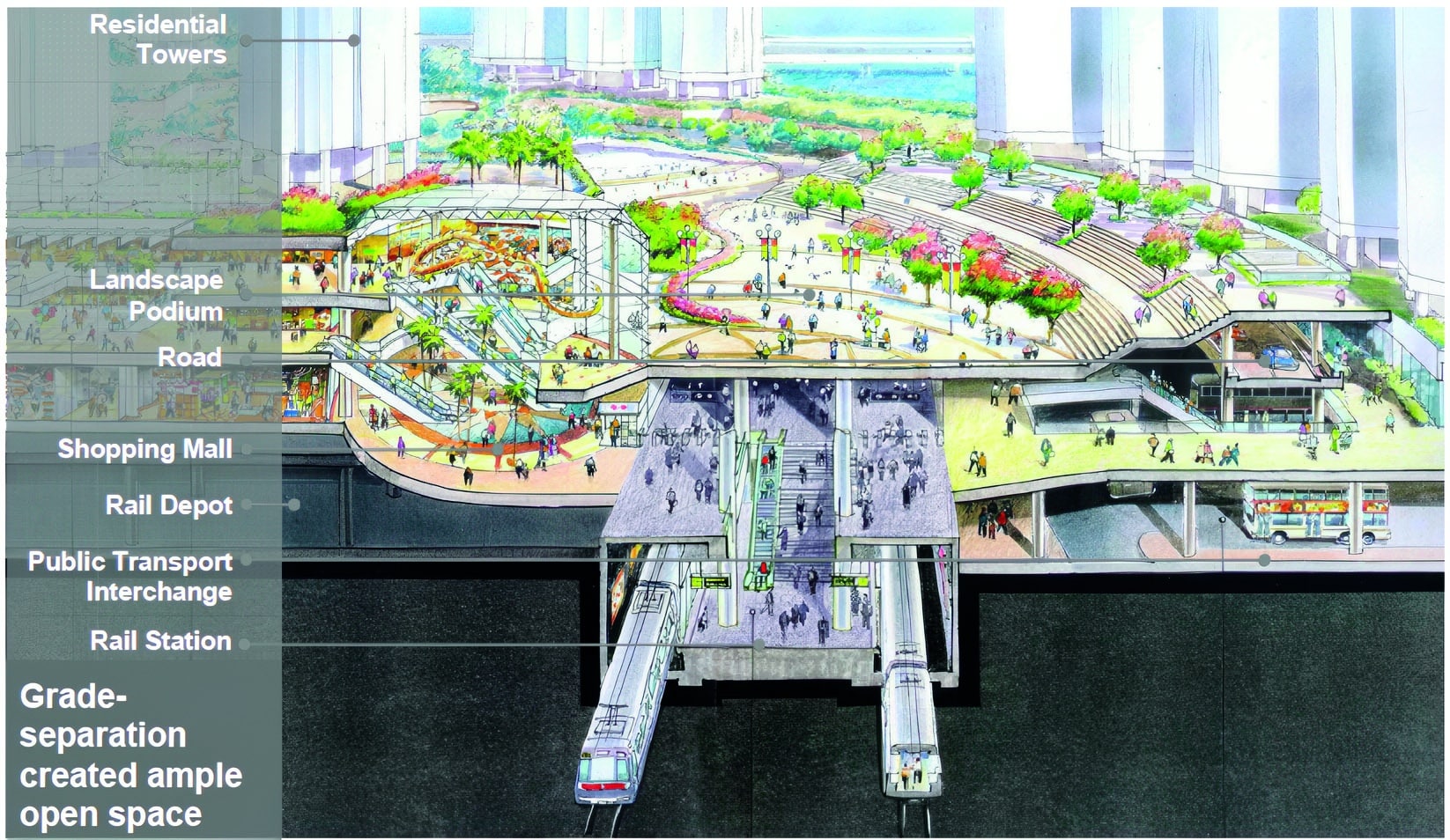
HONG KONG—What Hong Kong Teaches Cities About Building Healthy Density
Anh-Vy Pham and Beth Nilsson, Urban Land Institute | January 27, 2026
Hong Kong shows how transit-oriented development and large-scale public housing can support healthy, livable density. By aligning rail investment, mixed-use development, and state-led housing delivery, the city reduces car dependence, activates public and green space, and strengthens housing stability.