
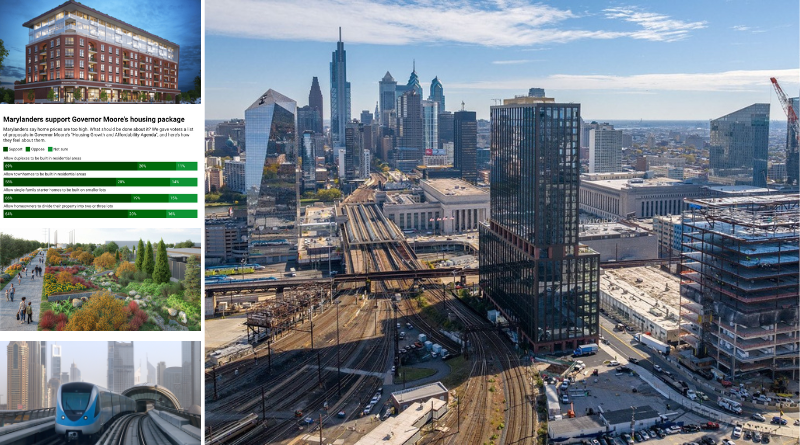
PA Gov Shapiro’s $1B housing plan (right) • Jersey City approves HBLR TOD • MD voters want housing • Renton Transit Center • UAE anchors MEA investment (left top-to-bottom)
Article of the Week
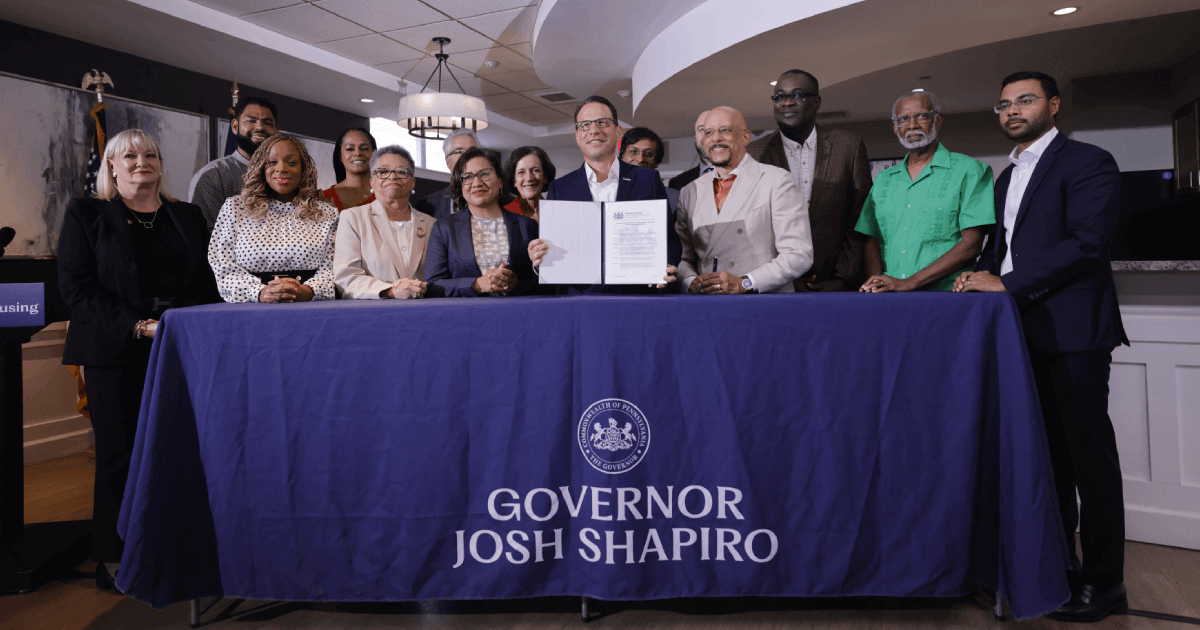
PENNSYLVANIA—Shapiro Calls for $1B Investment Amid Pennsylvania Housing Affordability Crisis
Aaron Moselle, WHYY | February 4, 2026
Gov. Josh Shapiro released a plan to borrow $1 billion in bonds to invest in affordable housing construction and preservation. The plan also calls for zoning reform, including new state standards for transit-oriented and mixed-use development along main streets and commercial corridors.
NJ TOD News

N.J. Towns Take Last-Ditch Effort to Upend Affordable Housing Law to Supreme Court
Zach Blackburn, New Jersey Globe | February 4, 2026
A coalition of mayors from nearly three dozen New Jersey municipalities has taken its fight against the state’s affordable housing mandate to the Supreme Court in a final attempt to avoid housing obligations. Montvale Mayor Mike Ghassali, the coalition leader, seeks a pause on the state’s March 15 deadline so the court can decide the claims.
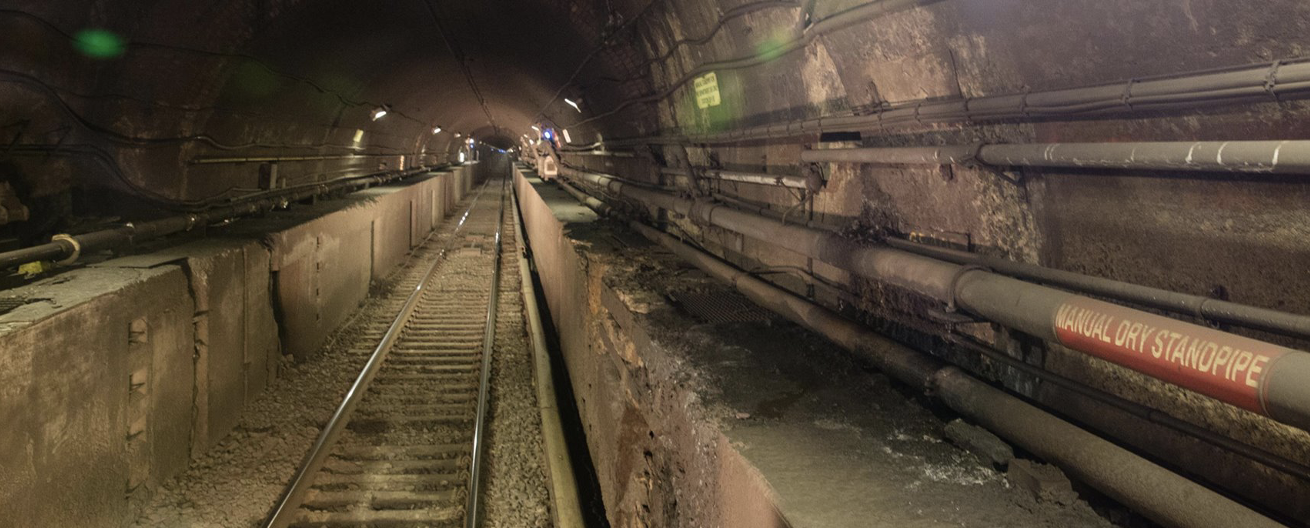
Gateway Sues Trump Administration Over Freezing Hudson Tunnel Funding
Stephen Nessen, Gothamist | February 3, 2026
The Gateway Commission sued the federal government over its decision to freeze funding for the $16 billion transportation project to repair and replace 116-year-old tunnels damaged during Hurricane Sandy in 2012. The funding freeze may force a work stoppage, threaten thousands of jobs, and delay project completion.
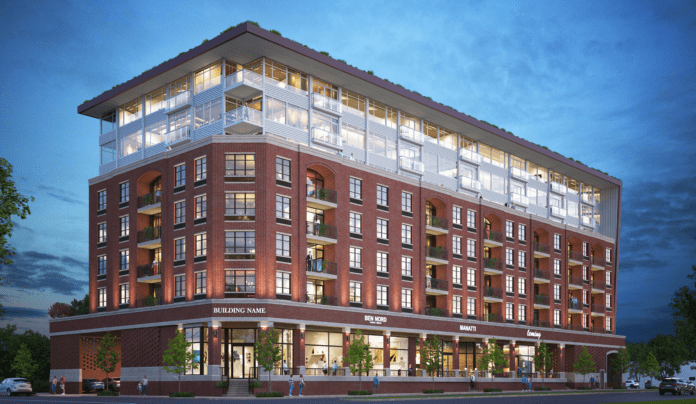
JERSEY CITY—Jersey City Approves Mixed-Use Development at 33 Pacific Avenue
Chris Fry, Jersey Digs | February 3, 2026
The Jersey City Planning Board approved a mixed-use development on a vacant former industrial site. The project will include 99 units—15 affordable—and 5,188 sq. ft. of ground-floor retail within walking distance of the Garfield Avenue Light Rail Station.
Transit and Equity News
There Is No Blanket Solution to the Housing Affordability Crisis
Alanna McCargo & Laurel Blatchford, Next City | February 4, 2026
Housing policy experts Alanna McCargo and Laurel Blatchford argue that housing supply shortages cannot be solved with a single national policy fix. Local leaders and advocates must adopt efficient land use laws, increase density, meet community needs, and use more efficient construction practices.
Why Are So Many Cities Offering Free Public Transit on Wednesday?
Chris McCrory, KGW | February 3, 2026
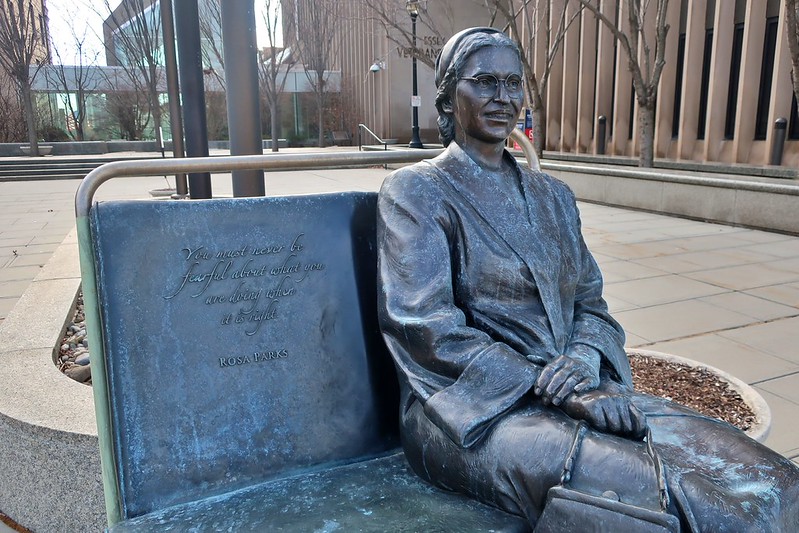
Public transit agencies throughout the country—including LA Metro and MARC—offered free fares on February 4 to honor Transit Equity Day, held annually on Rosa Parks’ birthday. The day recognizes Parks’ legacy and highlights transit’s role in economic justice.
MARYLAND—Marylanders Agree: It’s Time to Do Something About High Housing Costs
Dan Reed, Greater Greater Washington | February 4, 2026
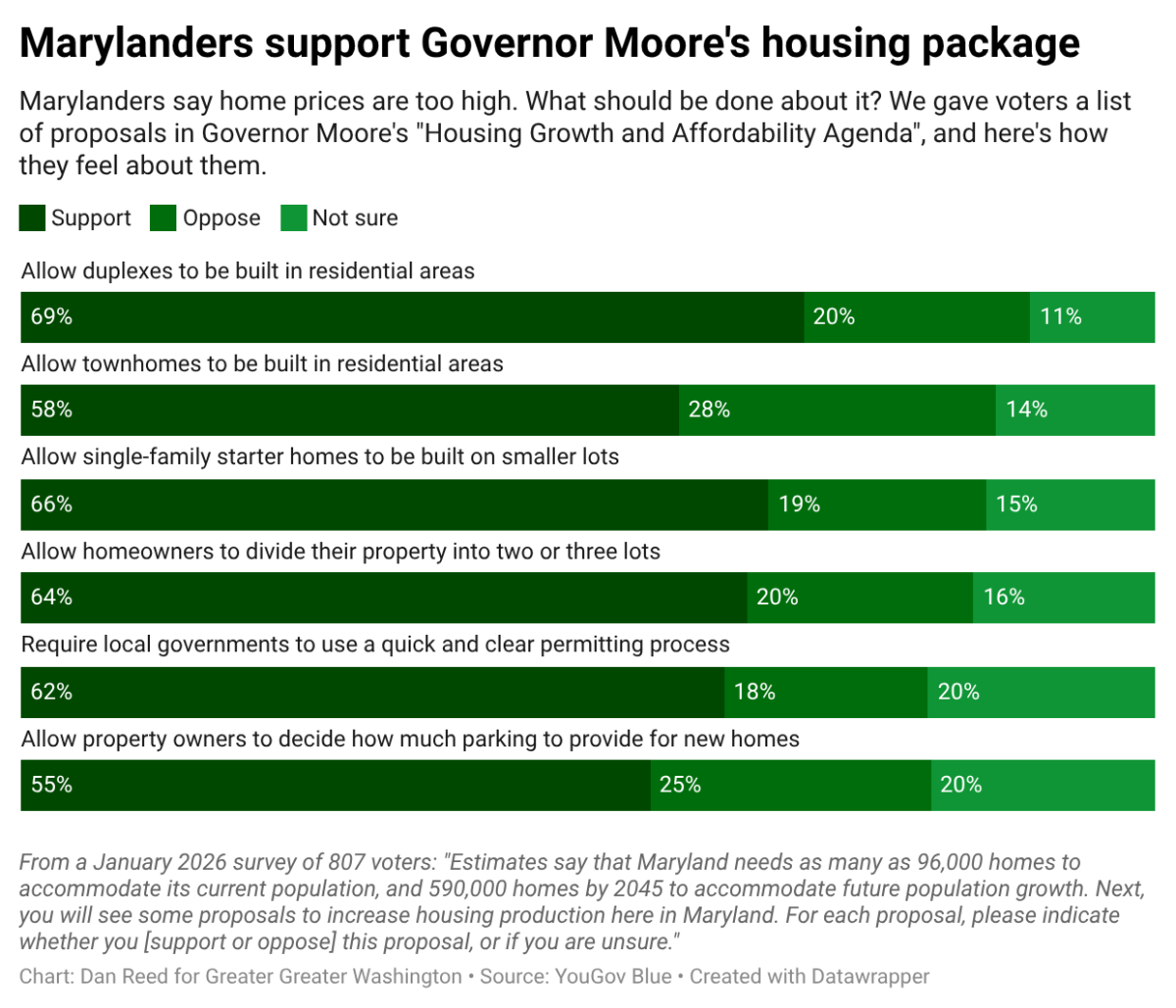
A Greater Greater Washington poll found that 92 percent of Maryland voters view housing costs as a problem and support increased home construction to address a shortage of roughly 96,000 homes. Voters across parties and regions support Gov. Wes Moore’s Housing Growth and Affordability Agenda, including transit-oriented development, faster permitting, and rent stabilization.
Regional and National TOD News

WASHINGTON—Progress Begins on Renton Transit Center
Press Release, City of Renton | February 5, 2026
Sound Transit and the City of Renton broke ground on a new Renton Transit Center that will anchor the Stride S1 bus rapid transit line between Burien and Bellevue. Scheduled to open by 2028, the project positions Renton as a regional transit hub and catalyst for transit-oriented development along the Rainier/Grady corridor.
OHIO—New Zoning Overlay to Transform Fairview Park’s Commercial Corridor
John Benson, Cleveland.com | February 4, 2026
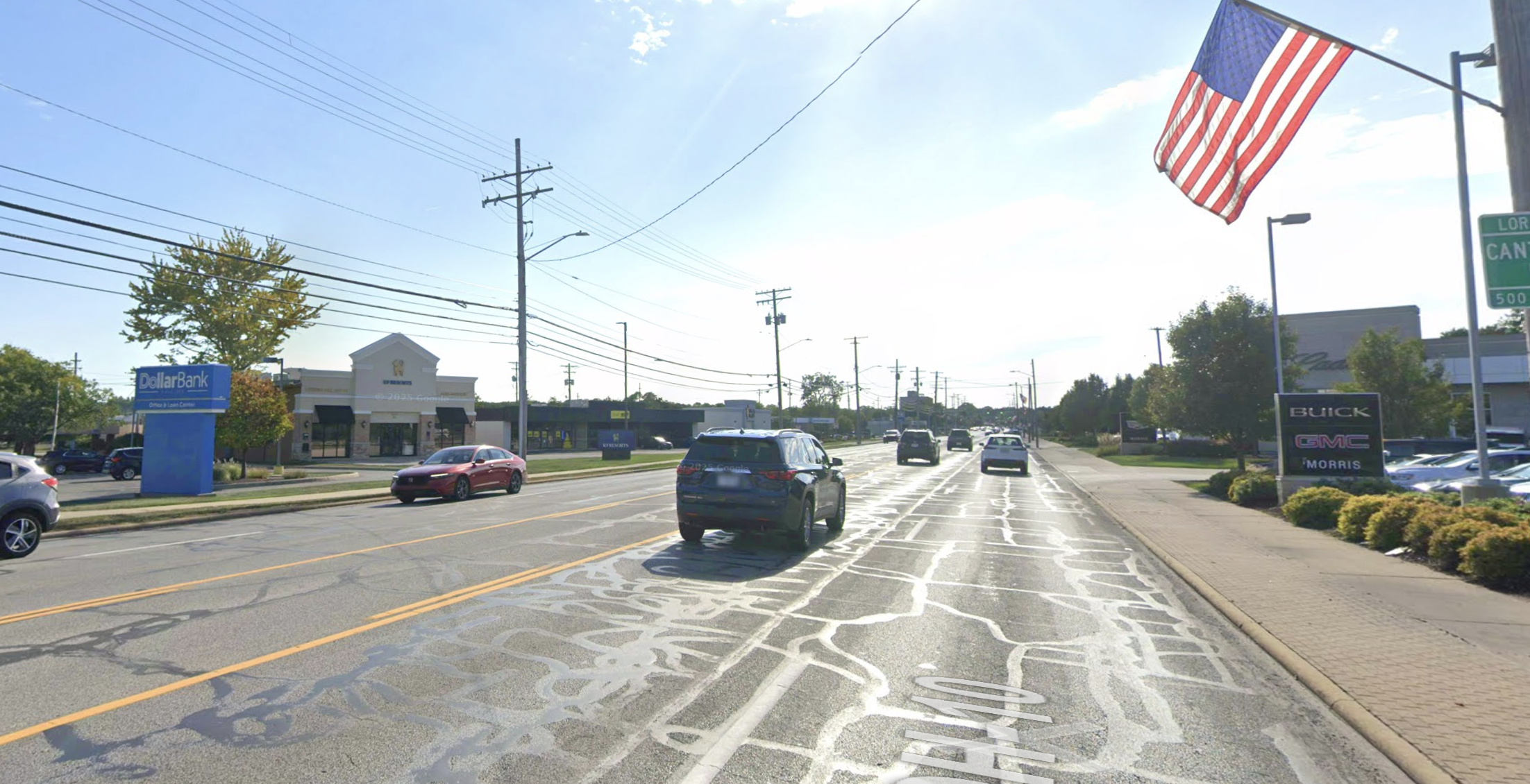
The Fairview Park City Council adopted a Transit-Oriented Development Overlay District in the city’s commercial corridor. The overlay allows for mixed-use development, adds flexibility for new projects, and incorporates pedestrian-friendly building codes.
Are YIMBYs Winning the Housing Wars? Not So Fast, These People Say
Julie Weil, The Washington Post | February 1, 2026
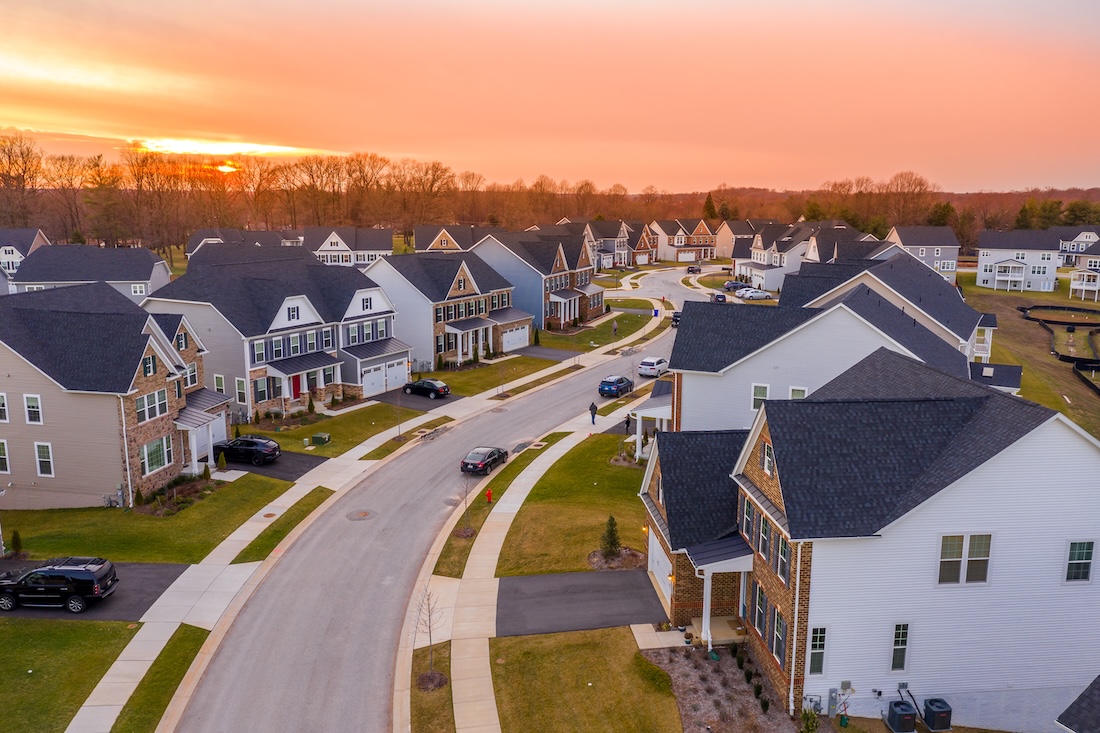
YIMBY orthodoxy holds that the housing affordability crisis stems from supply shortages caused by overregulation, but UCLA and London School of Economics professor Michael Storper argues the issue is more complex. His research finds that simple aggregate supply economics do not apply to housing markets and identifies interregional inequality as a key driver of limited affordability.

MONTANA—Missoula Looks to Increase Housing With New Zoning Regulations
Katie Fairbanks, Montana Free Press | February 3, 2026
The Missoula City Council approved a new unified development code to boost housing, walkability, and climate goals. The code allows apartments in 89 percent of residential and mixed-use districts and eliminates parking minimums citywide. The overhaul aims to deliver 1,100–1,500 new housing units annually as the city prepares for significant population growth.
International TOD News
UNITED ARAB EMIRATES—UAE Anchors MEA’s $3tn Project Pipeline as Real Estate Momentum Builds
Rajiv Pillai, Gulf Business | February 6, 2026
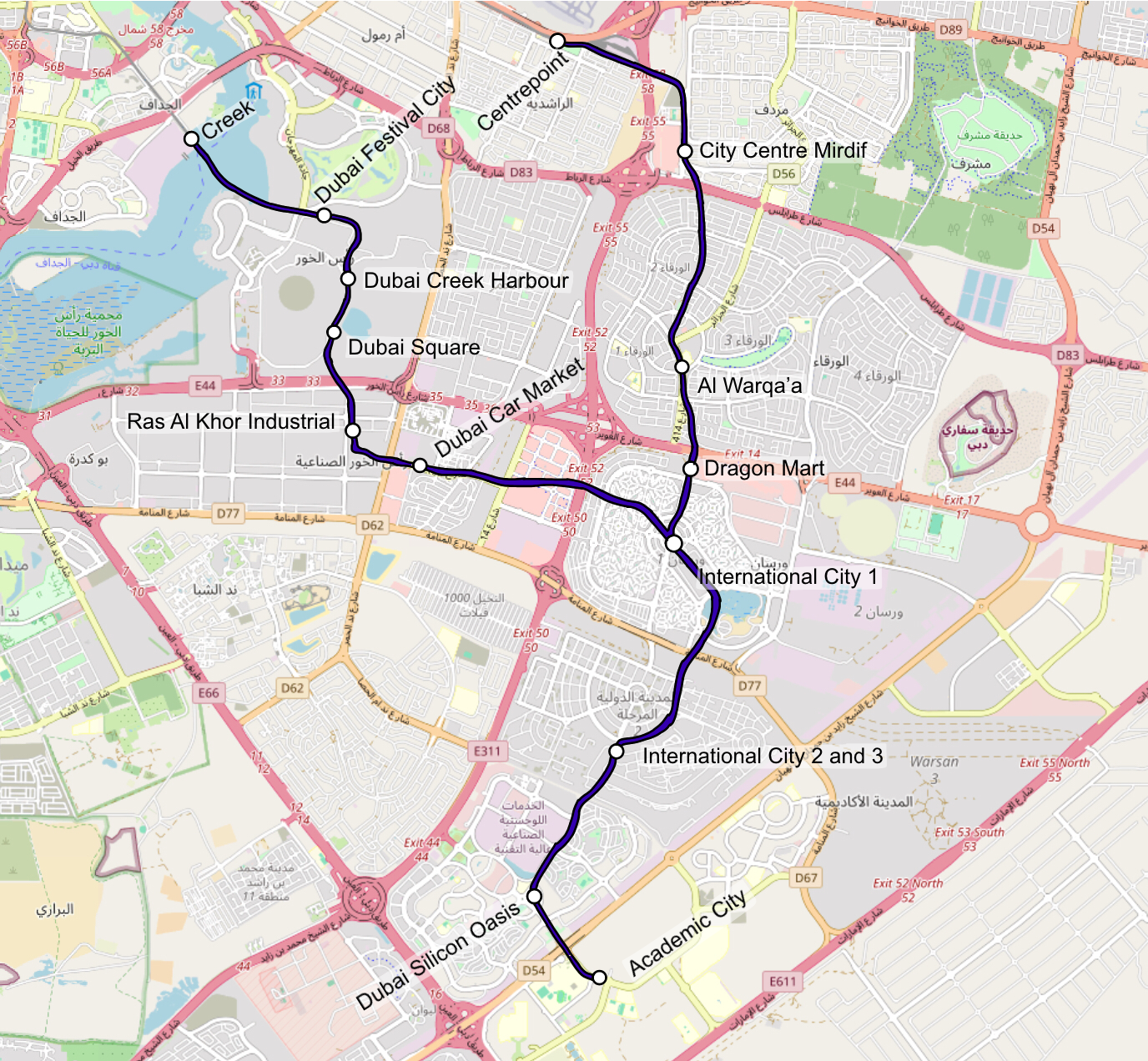
JLL forecasts a $3 trillion Middle East and Africa real estate and infrastructure pipeline from 2026–2030, led by the UAE with $795 billion in projects. In Dubai, major transit investments such as the $5 billion Metro Blue Line are increasing land values and attracting global capital through strong investment returns.
ITALY—Milan Olympics Housing Is Built for Easy Reuse
Feargus O’Sullivan, Bloomberg | February 5, 2026
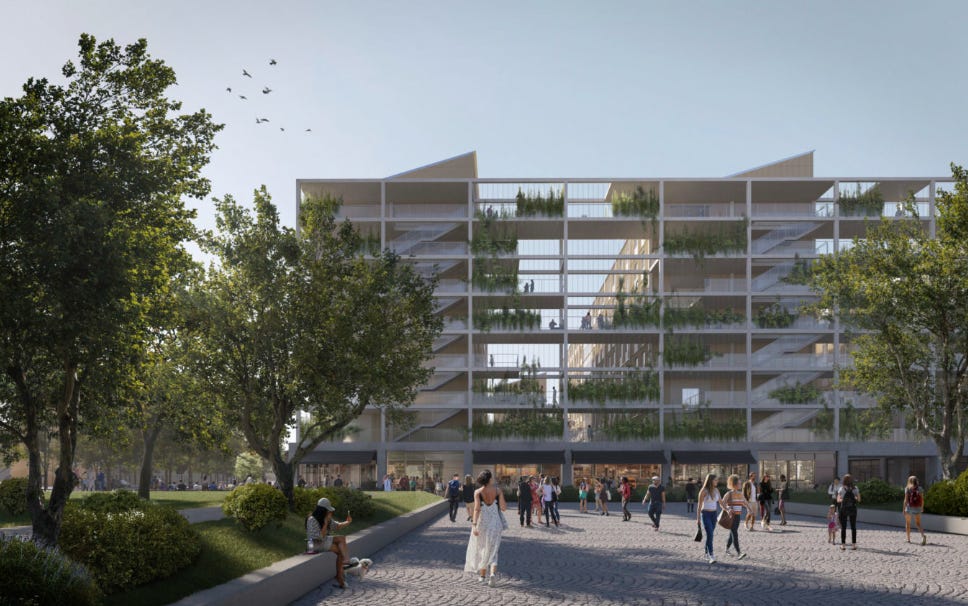
After the 2026 Winter Olympics, Milan’s Olympic Village will convert to student housing. Built along a railway line south of the city center, the complex will increase the city’s student housing stock by six percent and expand affordable options.
AUSTRIA—Vienna Swaps Parking for Green Space
Dave Braneck, Deutsche Welle | February 2, 2026
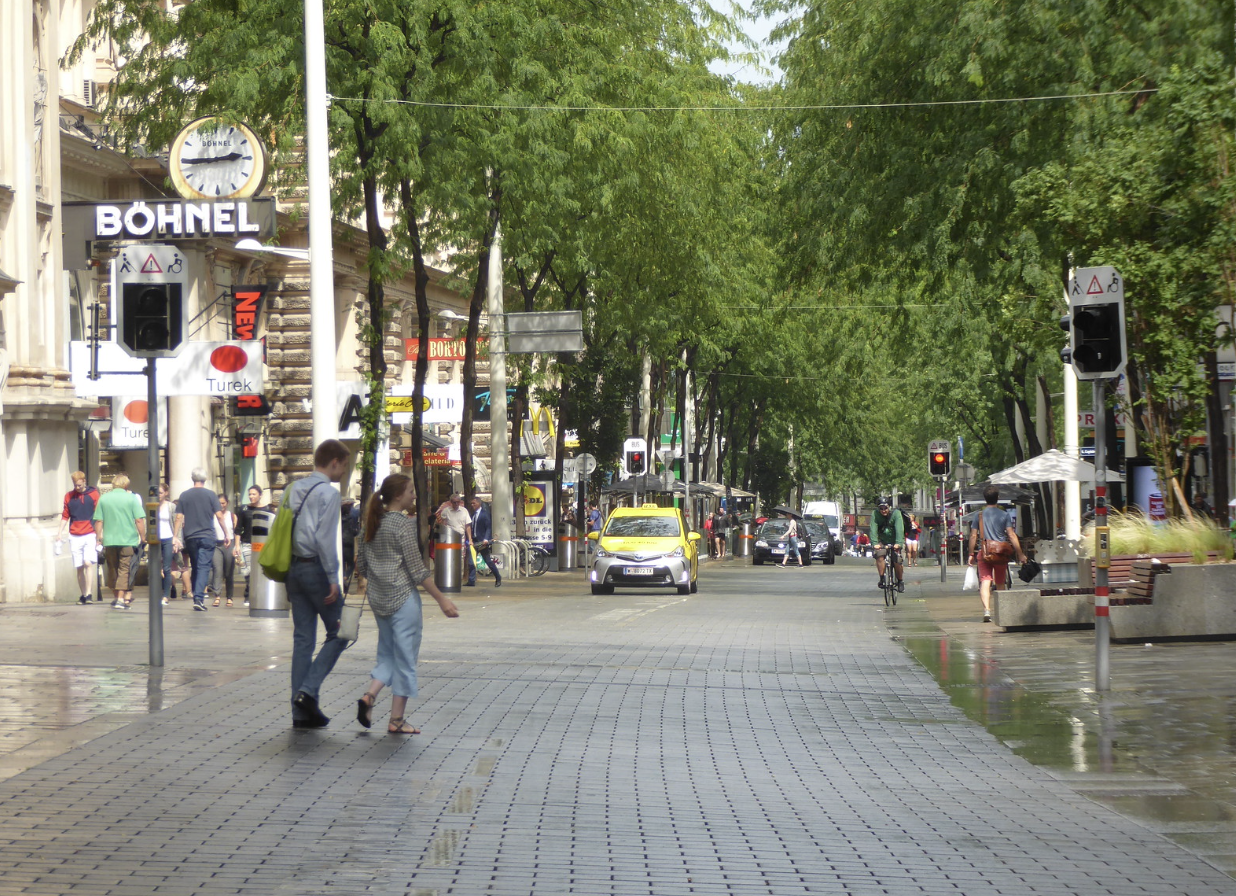
Vienna has launched more than 350 projects to convert parking lots into green and public spaces and committed $212 million in new annual investments for transit and bike infrastructure. This shift away from parking includes new suburban park-and-rides connected to fast, affordable mass transit.