
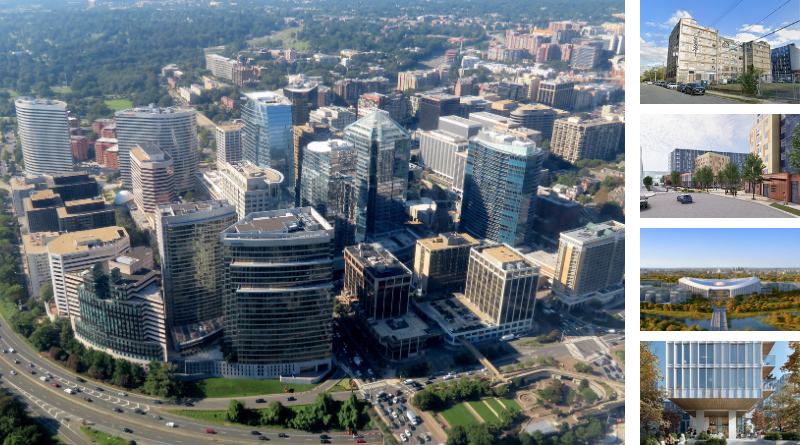
Learning from Rosslyn-Ballston (left) • Tackling vacancies • Sound Transit builds eTOD • DC stadium plans • 196-units, no parking in Vancouver (right top-to-bottom)
Article of the Week
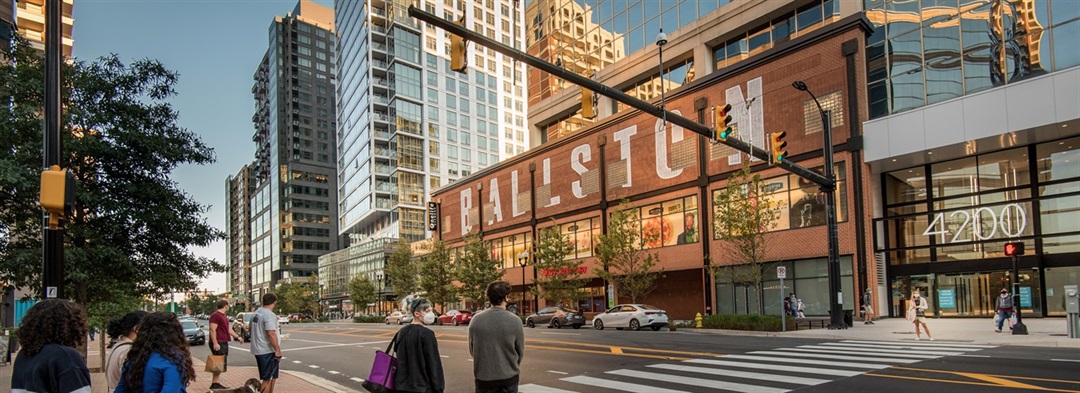
VIRGINIA—Why Doesn’t Crystal City Look Like Ballston?
Bharat Ponnaluri, Greater Greater Washington | August 11, 2026
Rosslyn-Ballston’s transit-oriented, higher-density strategy produced a resilient, mixed-use corridor, while Crystal City’s office parks and superblocks left it more vulnerable to economic shocks. Arlington now plans to reshape Crystal City with more housing, walkability, and transit connections, drawing on the lessons of Rosslyn-Ballston.
NJ TOD News
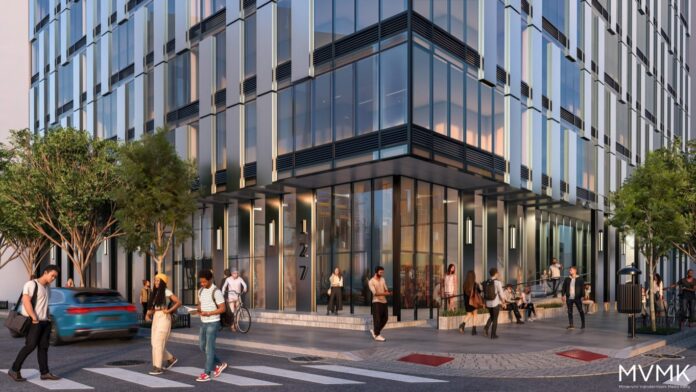
JERSEY CITY—Jersey City Advances Zoning Changes for 20-Story Powerhouse Arts District Tower
Chris Fry, Jersey Digs | August 13, 2026
Jersey City advanced zoning changes that would allow a 240-unit tower with art space in the Powerhouse Arts District. The site is within a 10-minute walk of multiple PATH and HBLR stations and the Harborside Ferry Terminal.
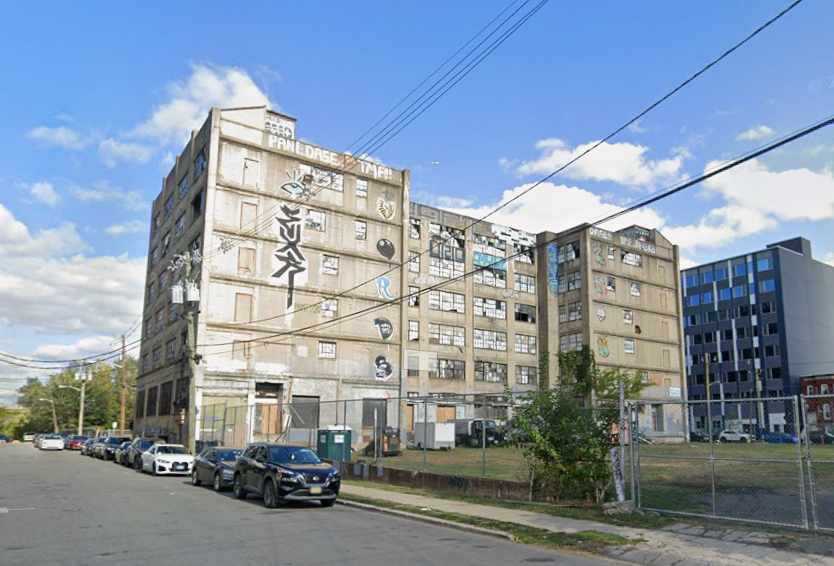
JERSEY CITY—The Hidden Cost of Long-Term Vacancy in Jersey City
Tori Sawey, Urban Land | August 11, 2026
Vacant buildings—such as 125 Monitor Street in Jersey City’s Bergen-Lafayette neighborhood—can slow redevelopment, while many cities lack the tools to address long-term vacancies. Some, including Washington, D.C., have increased taxes on vacant buildings to encourage redevelopment.
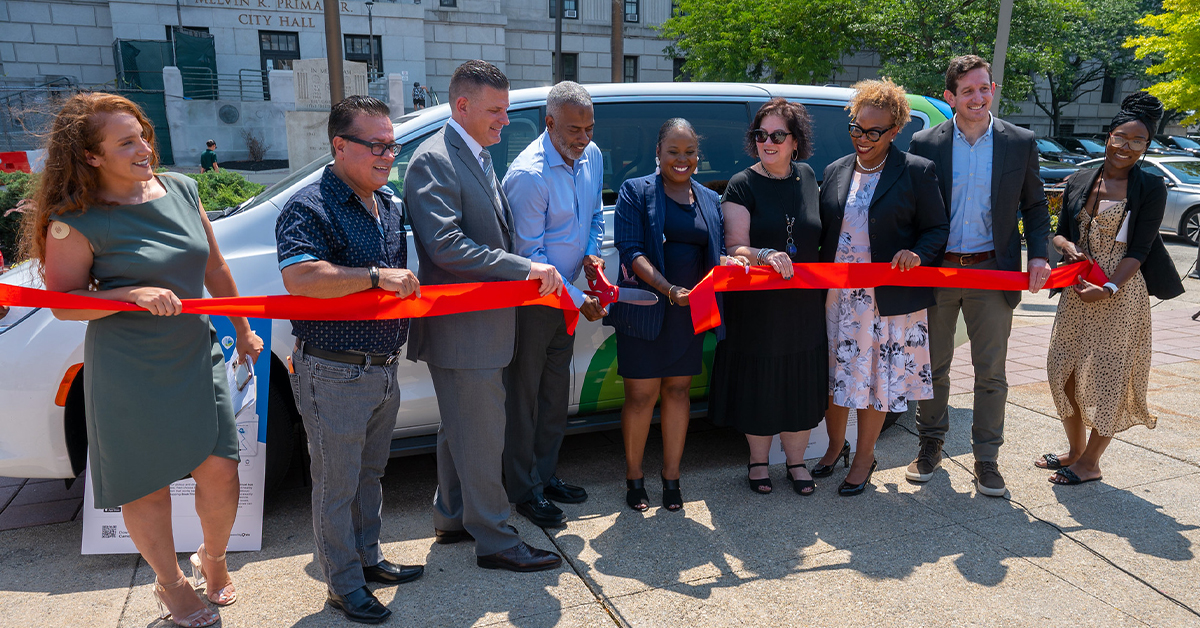
Seniors, People With Disabilities Gaining On-Demand Ride Services
Lilo H. Stainton, NJ Spotlight News | August 11, 2026
Governor Sherrill signed a law expanding funding for county programs that provide on-demand microtransit for seniors and people with disabilities. The law makes county-run or contracted programs eligible for the $56 million state transportation assistance fund.
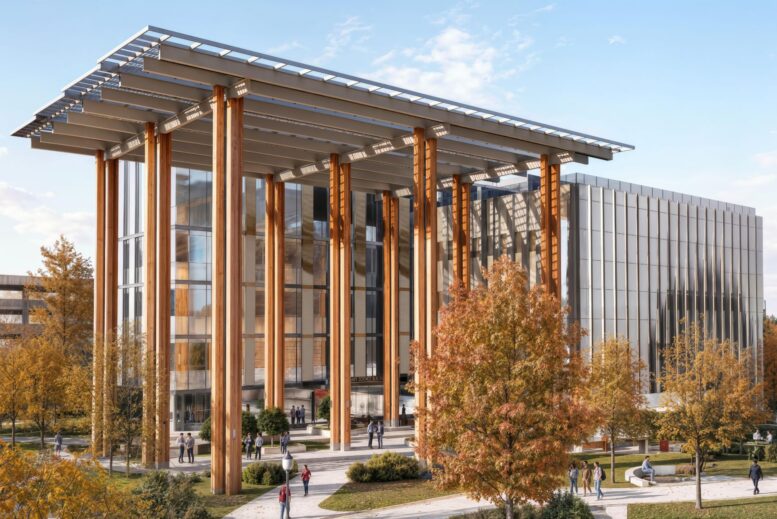
MONTCLAIR—$120 Million Interdisciplinary Science Building Breaks Ground at Montclair State University in Montclair, New Jersey
Michael Young & Matt Pruznick, New York YIMBY | August 9, 2026
Construction began on the five-story, $120 million Interdisciplinary Science Building at Montclair State University. The facility will include research labs, event space, and other amenities next to Montclair State University Station. Completion is expected for the 2028–29 academic year.
Transit and Equity News
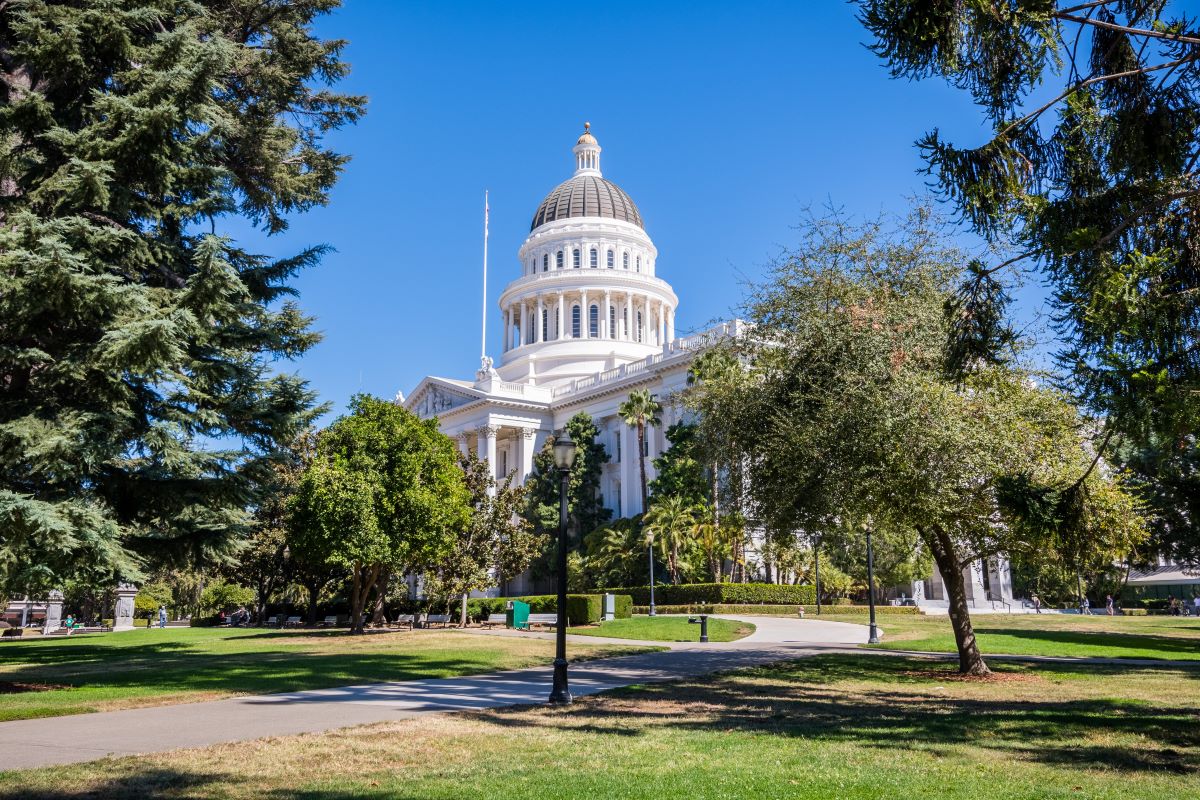
CALIFORNIA—California’s Cap-and-Invest Crisis, Explained
Zack Deutsch-Gross, Streetsblog CAL | August 11, 2026
A rule change to California’s Cap-and-Invest program—which taxes major carbon polluters—could eliminate nearly $2 billion in funding for affordable housing, transit, and environmental protection. Advocates are seeking to reverse this decision and restore funding.
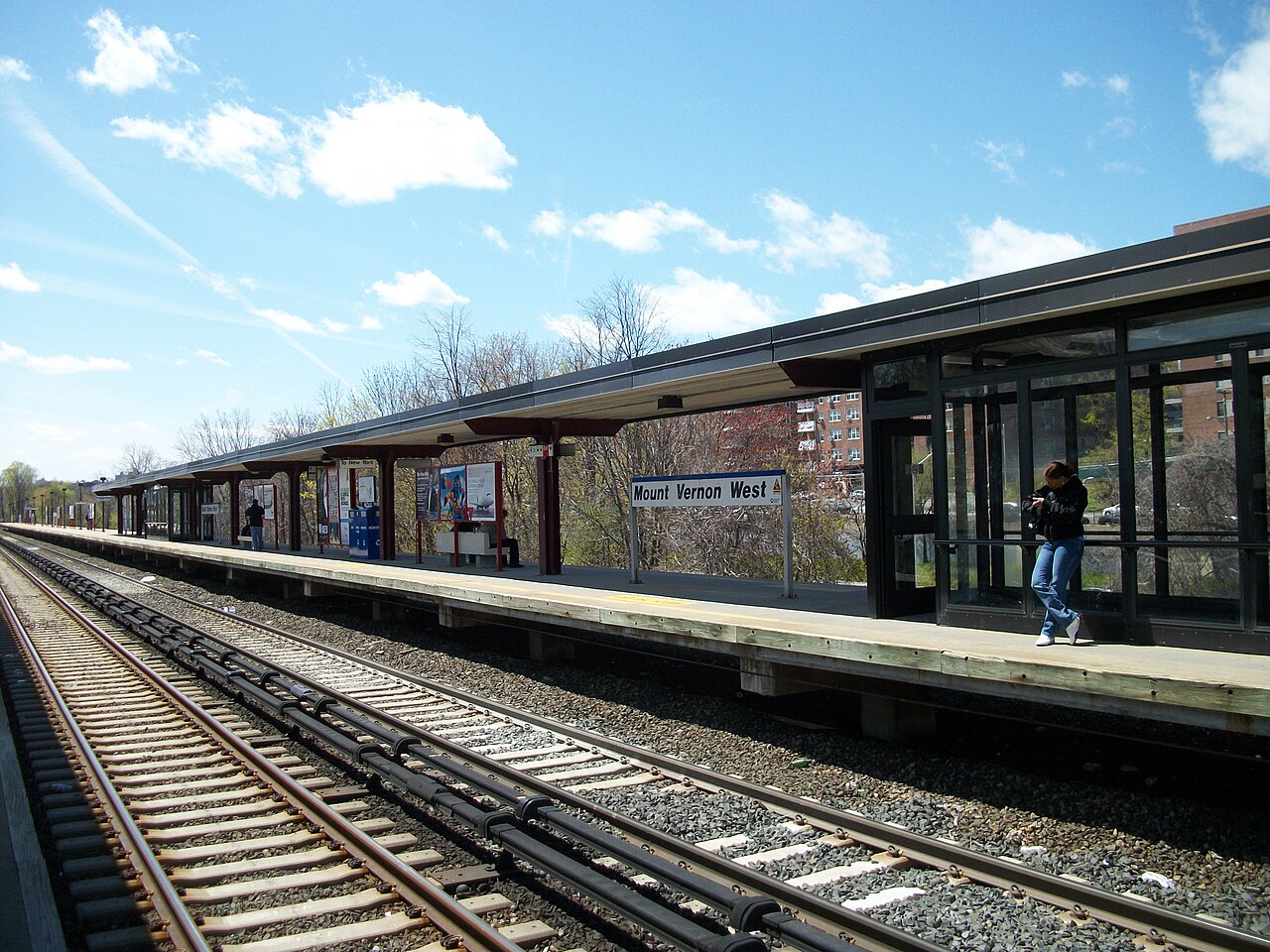
NEW YORK—Governor Hochul Announces Construction Is Underway on 229-Unit Affordable Housing Development in Westchester
Press Release, NYS Homes and Community Renewal | August 11, 2026
Construction is underway on QWest Towers, a 229-unit affordable housing development next to Mount Vernon West Metro-North Station. Apartments will serve households earning up to 80 percent of Area Median Income (AMI), and the project will include 3,300 sq. ft. of ground-floor retail.
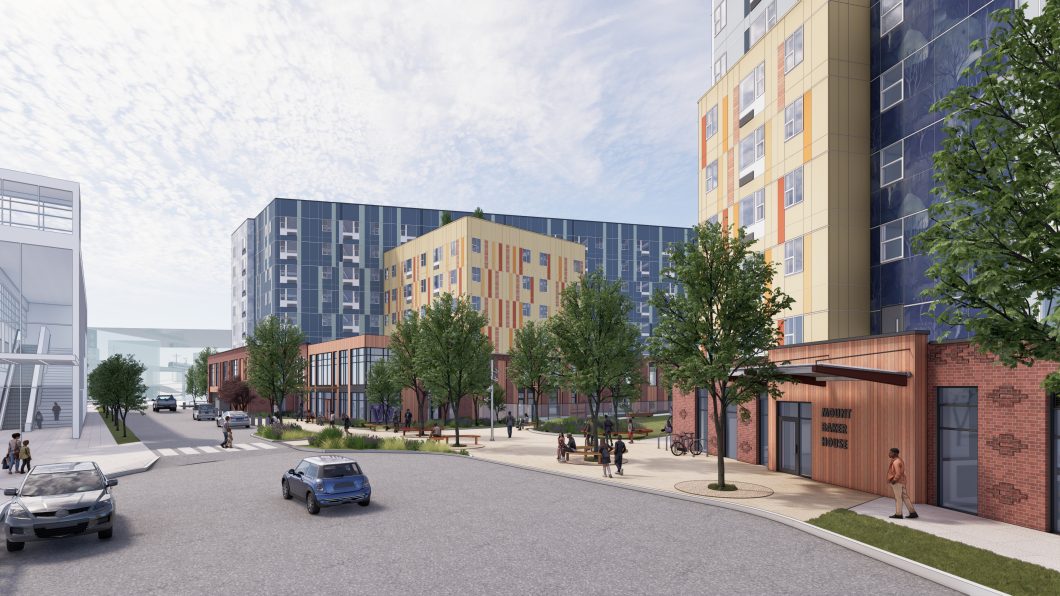
WASHINGTON—Seattle Light Rail Station Swaps Parking Lot for Affordable Housing
Nicholas Deshais, The Seattle Times | August 8, 2026
Seattle is replacing a parking lot at Mount Baker light rail station with 239 affordable apartments, commercial space, and an early-learning center. Units will be available to households earning up to 60 percent of the AMI. The project reflects a broader shift in city policy toward prioritizing affordable housing and transit access.
Regional and National TOD News
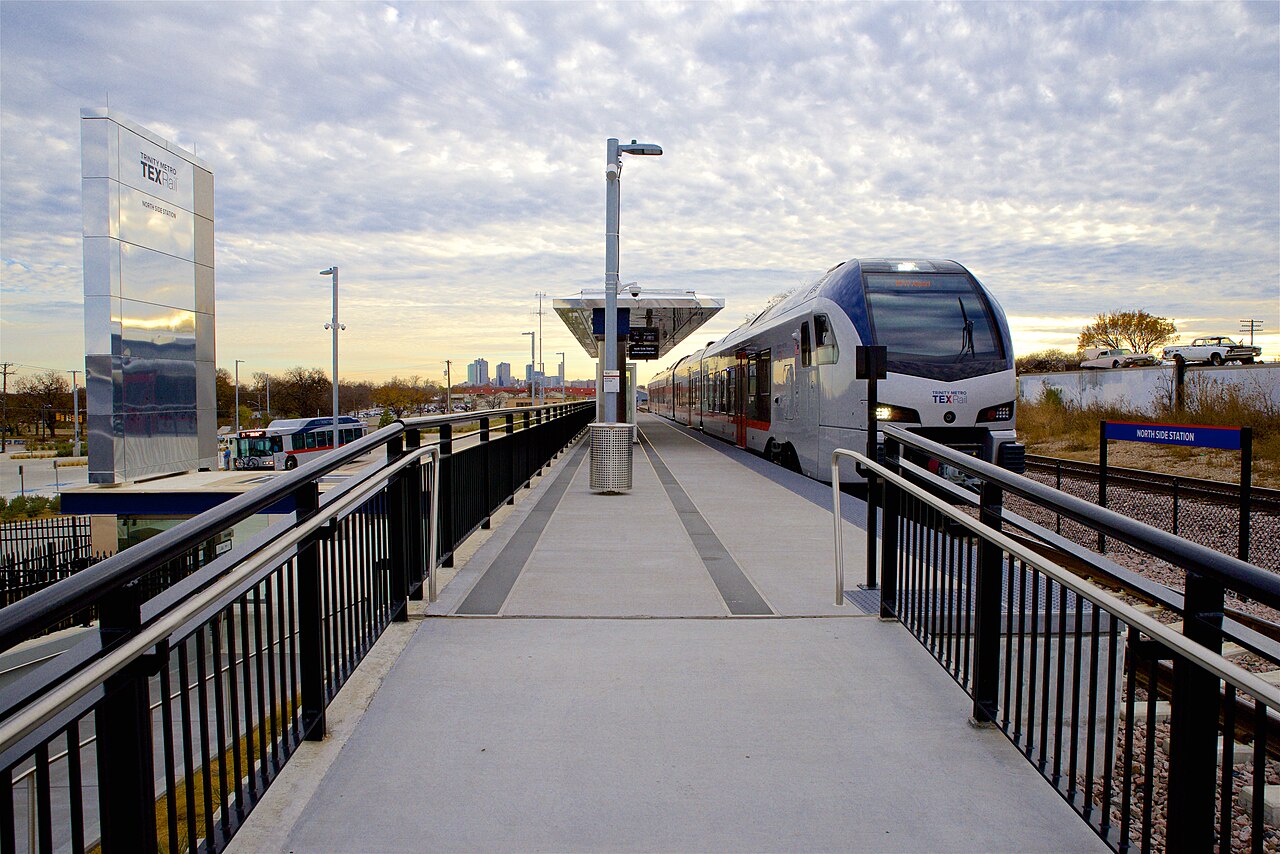
TEXAS—Can Fort Worth Duplicate Grapevine’s Rail Station Success? City Leaders Are Taking Steps
Eric E. Garcia, Fort Worth Report | August 11, 2026
The Fort Worth City Council began plans to rezone properties around the Northside TEXRail Station, drawing on a similar initiative in Grapevine. The City aims to encourage high-density, mixed-use development near the station. Multiple projects are currently underway to add hundreds of housing units to the station area.
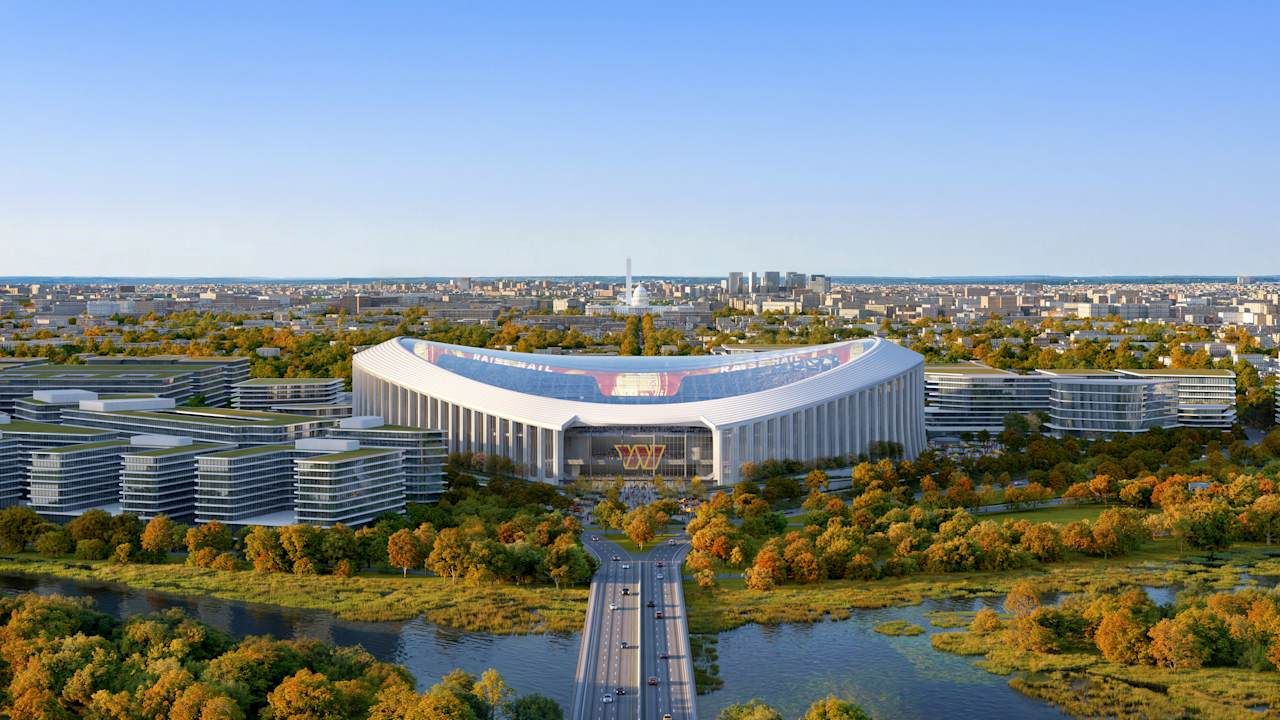
WASHINGTON, D.C.—Plans for Commanders’ New Stadium Call for Housing. Neighbors Will Believe It When They See It.
Kevin Reynolds, The Baltimore Banner | August 10, 2026
Washington D.C.’s $3.8 billion RFK Stadium redevelopment plan outlines the potential for up to 6,500 housing units across the 180-acre site that will be home to the Washington Commanders. Critics worry that the housing and proposed Gold Line bus route could lag well behind the stadium’s opening.
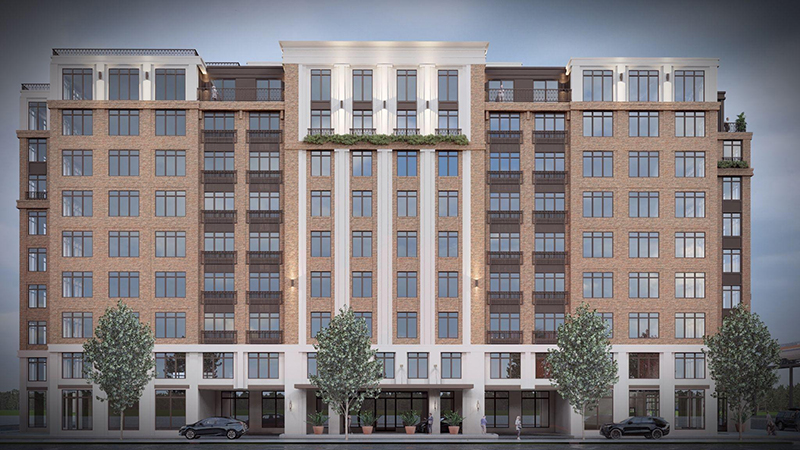
NEW YORK—Mineola Breaks Ground on 101-Unit ‘The Bridge’ Condos by LIRR Station
Nolan Keegan, Hoodline | August 9, 2026
Construction began on The Bridge, a 101-unit condominium tower next to the Mineola LIRR station. The project adds for-sale multifamily housing to a village that has added 1,100 rental units downtown since 2010. Completion is expected in January 2029.
International TOD News
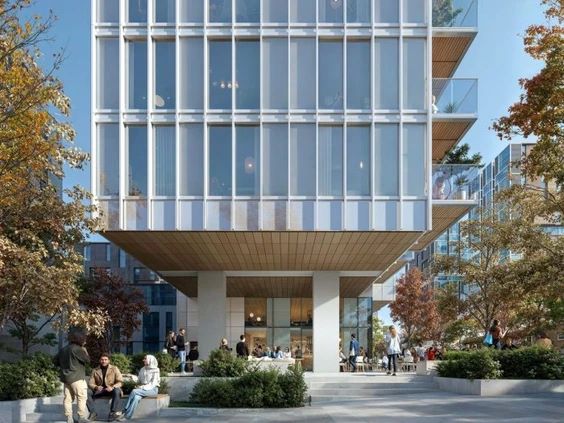
CANADA—This Proposed Vancouver Residential Tower Has No Underground Parking
Joanne Lee-Young, Vancouver Sun | August 14, 2026
Vancouver approved a 33-story, 196-unit mixed-use rental tower near the Broadway-City Hall Canada Line station with no on-site parking. The project reflects the City’s 2024 decision to eliminate residential parking minimums and highlights how transit access, cycling infrastructure, and the high cost of underground parking can shape development near transit.
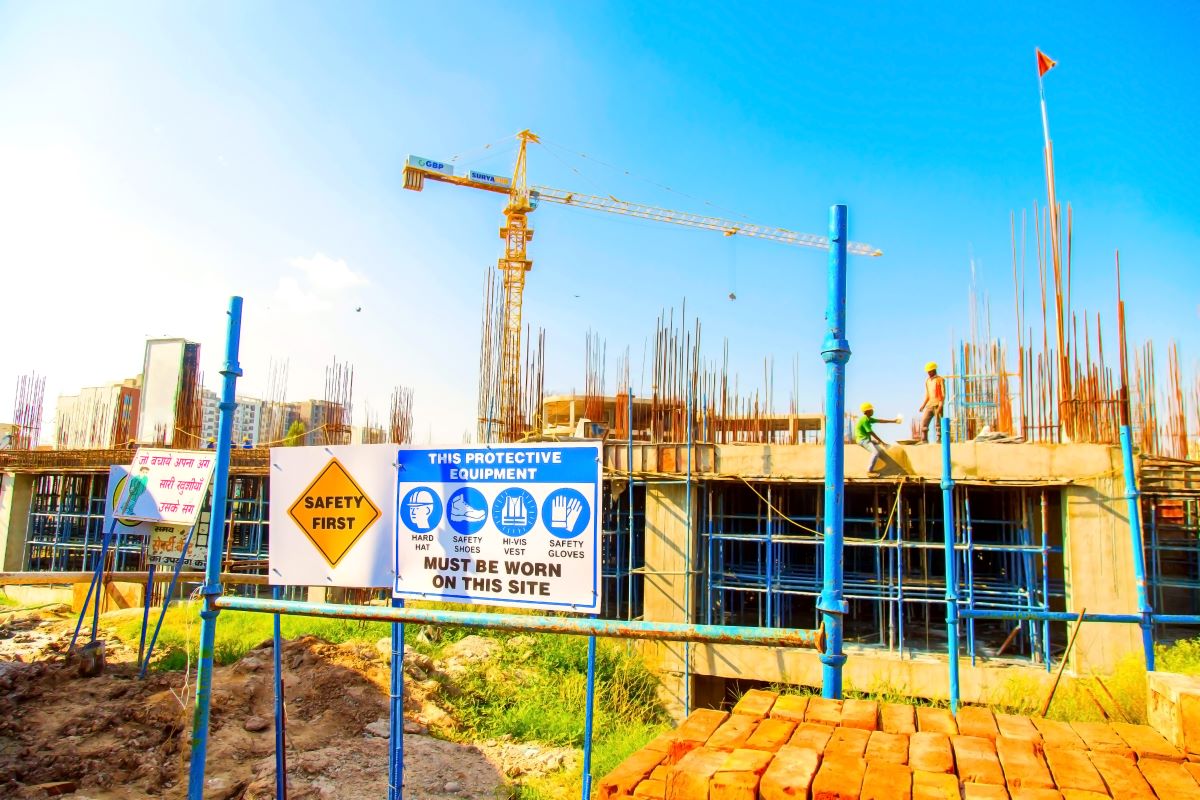
INDIA—Delhi Master Plan Draft May Reshape Property Values via FAR, TOD Changes
Sanket Koul, Business Standard | August 14, 2026
Delhi’s newly approved draft Master Plan 2047 includes changes to floor-area ratios (FAR), redevelopment, and transit-oriented development (TOD). The plan would support higher-density, mixed-use development near Metro and Regional Rapid Transit System corridors, potentially reshaping development patterns and property values across the city.
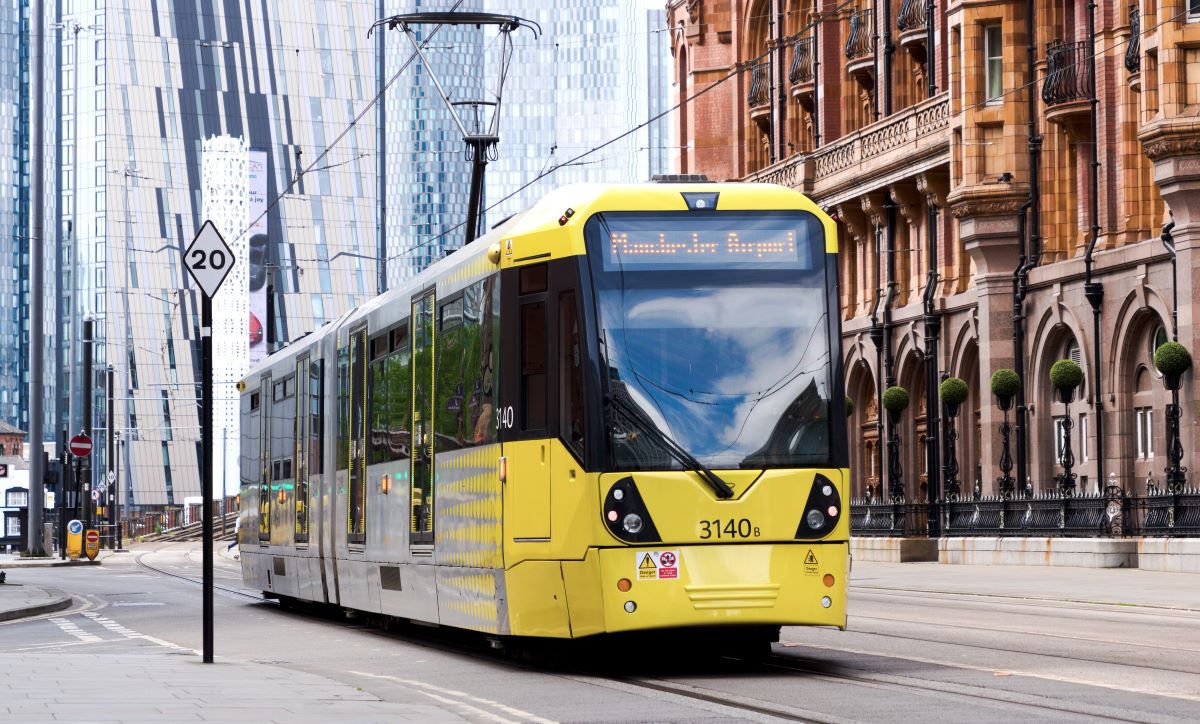
New ULI Report Examines the Growing Link Between Transportation and Real Estate Value
Jeremy Sanford, Urban Land | August 7, 2026
An Urban Land Institute report argues that sustainable mobility and development should not be planned separately. Drawing on insights from European, Canadian, and US practitioners, the report identifies transit infrastructure, parking reduction, and policy coordination as ways to improve project feasibility and lower costs.