The Week in TOD News August 15-21, 2026
Community-led eTOD in Chicago • Jersey City turns parking into housing • Charlotte’s light rail value • Federal TOD support • England eases housing rules near transit
Read MoreCommunity-led eTOD in Chicago • Jersey City turns parking into housing • Charlotte’s light rail value • Federal TOD support • England eases housing rules near transit
Read MoreLearning from Rosslyn-Ballston • Tackling vacancies • Sound Transit builds eTOD• DC stadium plans • 196-units, no parking in Vancouver
Read MoreTOD: the future of transit • Fair Lawn development • Atlanta Beltline affordable housing • Early SB 79 impact • 15-minute city creator on Melbourne
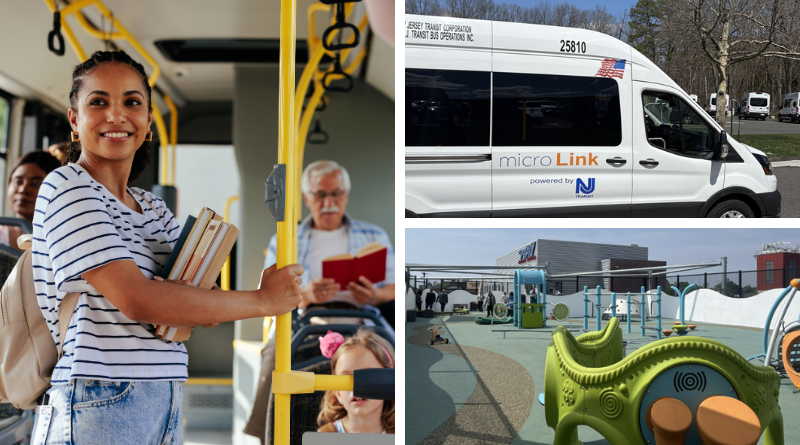
Read MoreTOD can help create more supportive environments for people of all ages and abilities, but simply building near transit stops is rarely enough. Successful age-friendly TOD integrates housing, transportation, and amenities to meet the needs of residents across the lifespan.
Read MoreReport Link: Rutgers Regional Report: An Analysis of Economic, Demographic and Market Trends
A report on the history of housing economics and demographics in New Jersey, authored by James W. Hughes and Connie Hughes, estimates that housing production in the 2020s will likely exceed that of each of the previous three decades and come close to matching the housing production boom of the 1980s.
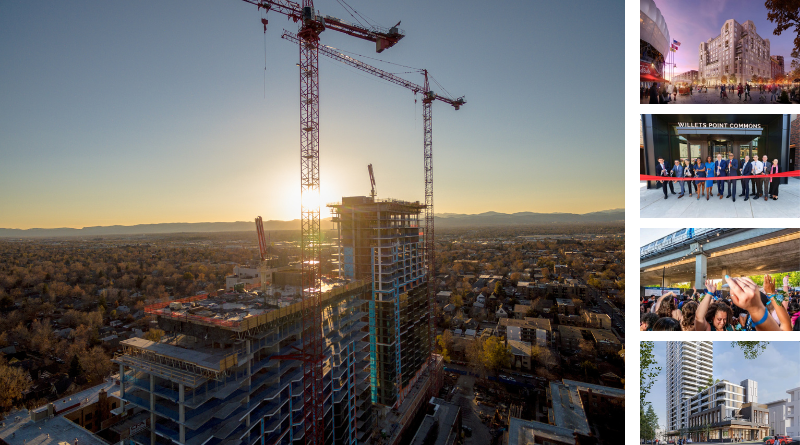
Read MoreLow-cost affordable housing by CO • Harrison PATH TOD Phase 4 • 880 affordable homes at Willets Point • Event planning to boost ridership • TransLink real estate strategy
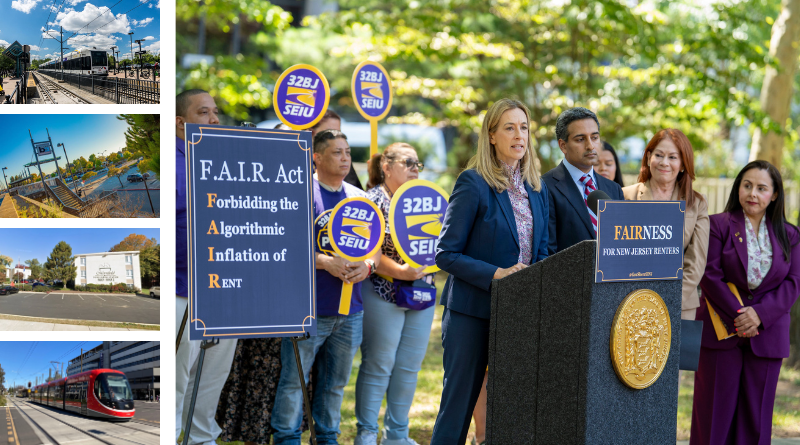
Read MoreSherrill signs FAIR Act • HBLR expansion push • Ashby BART project underway • 2,975-unit Virginia TOD • Australia’s light rail visions
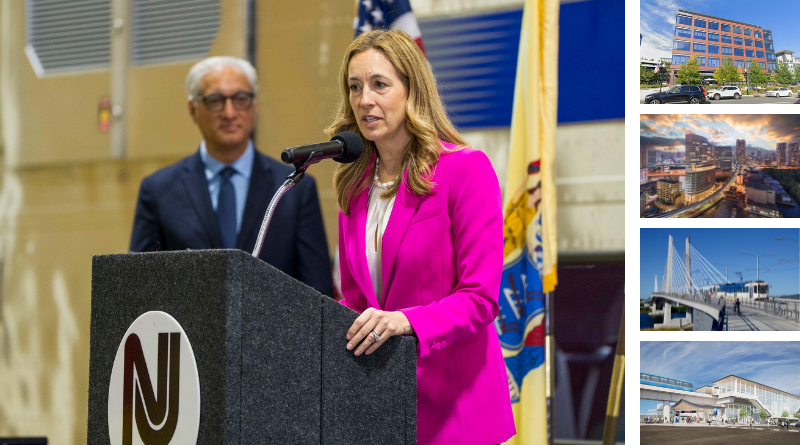
Read MoreNJ seeks Bayonne + Linden TOD • NJ Future Smart Growth winners • New TOD bill in Congress • Oregon op-ed backs homes near transit • Surrey expands inclusionary transit zoning
Read MoreReport Link: Next‑Gen TOD: Transforming Transit-Oriented Development to Embrace New Challenges and Opportunities
Ming Zhang’s TOD 2.0 (Next-Gen Transit-Oriented Development) reimagines urban planning by expanding the traditional framework to address income inequality, climate change, and emerging transportation technologies through five key dimensions: Efficiency, Equity, Eco-Adaptability, Evaluation, and Education.
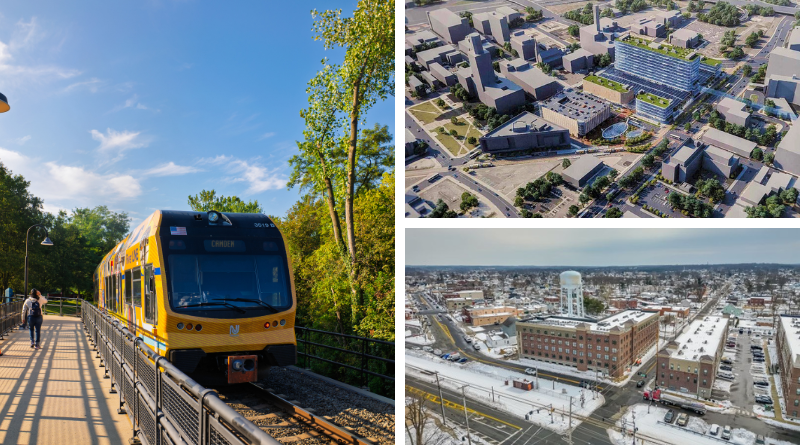
Read MoreThe River LINE’s long-term success depends not only on improving service reliability but also fostering TOD. Communities like Riverside, Burlington, Pennsauken, and Camden demonstrate how walkable, mixed-use station areas can strengthen ridership, housing, and local economic growth.
Read More