
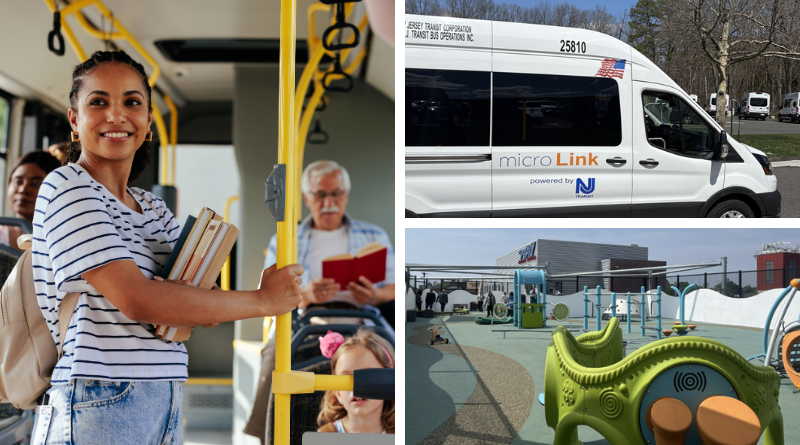
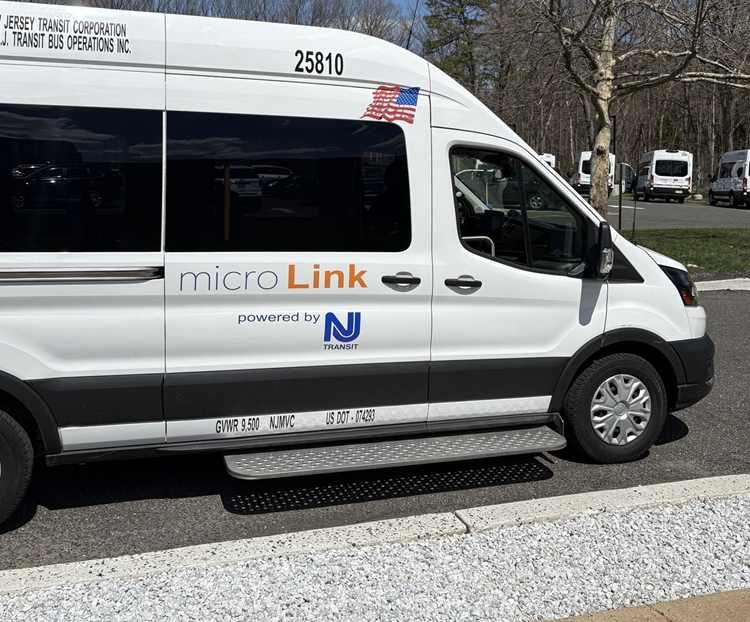
People on a bus (left); NJ TRANSIT’s MicroLink; Playground at Grand Rapids Central Station in Michigan (right top-to-bottom)
Car-centric growth advocates argue that the freedom of mobility comes from car ownership. But look a bit deeper, that freedom only applies to part of the population—those able to drive. Everyone else—children under 16, seniors, people with vision impairments or other disabilities, and those who cannot afford cars—is locked out of many key parts of life due to car-centric sprawl. That adds up to about a third of all Americans, or more than 100 million people. Still others may prefer not to drive, or may be able to afford a car but not the high cost of housing that comes with sprawling, car-centric development.
So what happens to those 100 million people? Unless they live near high-quality transit or in a place where necessary amenities are within walking distance, they must rely on other people to meet their needs. In many cases, this produces a level of dependence that can lead to social isolation, loneliness, and possibly negative health impacts.
Transit-oriented development can help create more supportive environments for people of all ages and abilities, but simply constructing an apartment building near a transit stop is rarely enough. Communities need to pursue age-friendly TOD on three levels: housing for everyone, transportation for everyone, and amenities for everyone. Our needs change across different life stages, and the built environment needs to reflect that.
We already have a working example of how transit friendly planning is built around one age group’s needs: college towns, where housing, transit, and amenities are all scaled to a student’s budget and schedule. What would it look like if we built that same intentionality for seniors, young families, downsizers, or new professionals? It would start with housing, transportation, and amenities.
Housing for Everyone
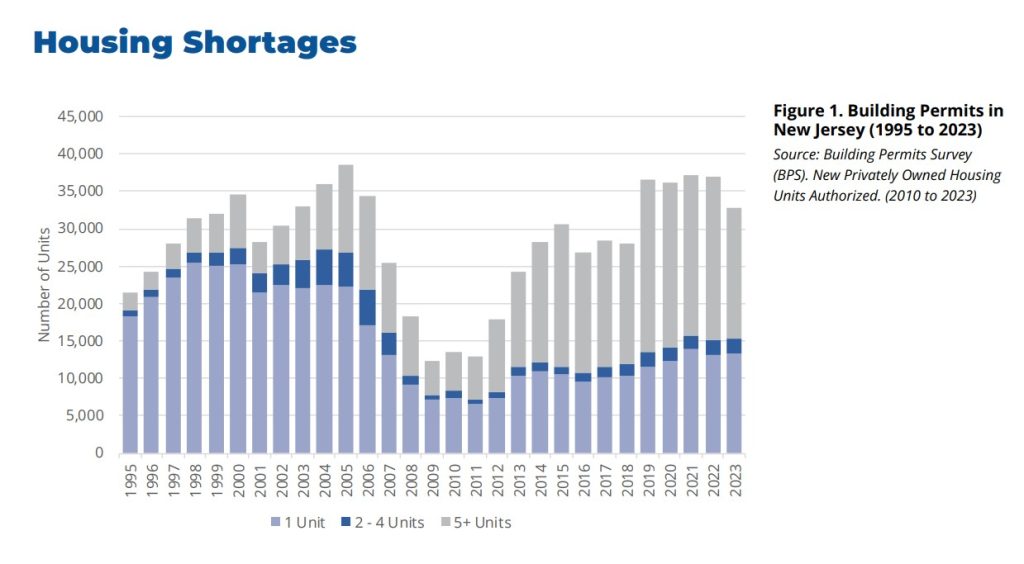
The first step for designing housing for everyone is acknowledging that needs and wants vary, which requires options. In New Jersey, as in most of the United States, new housing construction prioritizes owner-occupied single-family homes and large multifamily rental apartments. From 1995 to 2023, new construction in New Jersey oscillated between single-family and multifamily, with middle housing remaining a tiny fraction throughout.
Additionally, single-family homes continue to get larger even as the number of residents per household steadily declines. This, along with other factors that raise housing prices—like high construction costs—has created difficult conditions for first-time homebuyers. According to the National Association of Realtors, the median age for a first-time homebuyer has risen to a record high of 40, up from 28 in 1990, while the share of first-time homebuyers has fallen to a record low of 21 percent of all home purchases.
For young families or downsizing empty nesters, duplexes, triplexes, and townhomes offer a more affordable path to homeownership. Some states and cities have implemented zoning reform to expand the availability of middle housing.
In 2020, Minneapolis legalized duplexes and triplexes in all residential districts alongside other reforms, like removing minimum parking requirements, as part of its 2040 Comprehensive Plan. The City aimed to expand housing options, ensure equitable outcomes, increase density to accommodate population growth, and align housing policy with community needs. The middle housing reform proved successful: permits for 2- to 4-unit developments increased by 45 percent from 2020 to 2022 compared to pre-zoning change levels.
Portland, Oregon saw similar results when it implemented its Residential Infill Project (RIP) in 2020, rezoning significant blocks of single-family residential land to allow middle housing. A report published after implementation found that nearly 80 percent of the new middle housing units were located within a quarter-mile of transit.
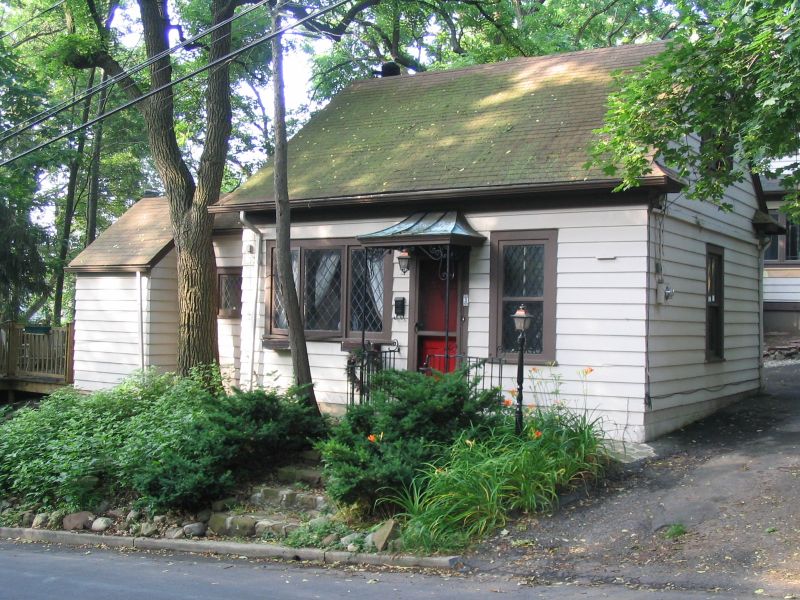
Specific forms of middle housing can also be tailored to benefit certain age groups. Accessory Dwelling Units (ADUs) or Elder Cottage Housing Opportunity (ECHO) units give families the opportunity to build an additional housing unit that can house seniors or caretakers, or serve as an additional income source to help afford a first mortgage. In New Jersey, numerous municipalities—including Newark, Princeton, Jersey City, and South Orange—have passed ordinances to allow for ADU construction.
Beyond middle housing, it’s important to offer a range of rental opportunities for residents not yet at the ownership stage, and for those who simply don’t want to own. As mentioned, the average age of a first-time homebuyer is now 40, meaning young professionals may spend nearly two decades as renters, with needs that change over time. That means developers should offer a range of units from studio to three-bedroom, and municipalities should explore allowing different forms of rental housing. Younger adults just entering the job market, for example, may prefer cheaper options with limited space, such as new micro-apartments. Jersey City and Newark have recently opened micro-apartment developments—Nest Micro Apartments and Indigo Residences, respectively—offering rents significantly lower than typical studio apartments while maintaining transit accessibility.
For seniors, housing also needs to support aging in place. Significant research shows that older households mainly prefer to stay in their homes, which requires that those homes be accessible at all levels of ability. Beyond ADUs, universal design mandates—zero-step entrances, first-floor bedrooms and bathrooms—and public programs for home maintenance could help residents age in place.
Transportation for Everyone
For those 100 million Americans who cannot drive, adequate transportation options must exist for all ages and abilities—mass transit, microtransit, paratransit, and accessible active transportation infrastructure. Under the Americans with Disabilities Act (ADA), all American transit agencies are required to provide on-demand, dial-a-ride services to individuals of all ages with disabilities. But these services vary in quality, sometimes with long wait times and limited availability, which is why a comprehensive approach to transportation planning is vital.
Municipalities can start by adopting Complete Streets policies to ensure safe, accessible streets for all road users. All non-drivers are pedestrians or cyclists at some point, so enhancing active transportation infrastructure is essential. Examples include curb cuts, separated bike lanes, wide sidewalks, crosswalk signals timed for all abilities, and traffic calming measures to improve safety. Hot summers also pose risks to pedestrians—especially older ones and the very young—due to the urban heat island effect, so shade-providing trees can make for a safer and more inviting environment.
New Jersey offers multiple grant opportunities for improving pedestrian and cyclist infrastructure, including Safe Routes to School, Safe Streets to Transit, the Transit Village Initiative, and the New Jersey Transportation Alternatives Program (TAP), among others. Municipalities can also partner with metropolitan planning organizations like the North Jersey Transportation Planning Authority (NJTPA) or the Delaware Valley Regional Planning Commission (DVRPC), and state agencies like NJ TRANSIT, to study or implement active transportation practices.
For example, Dunellen partnered with Transit Friendly Planning at NJ TRANSIT to publish an Active Transportation Planning Study recommending solutions for bicycle accommodations, traffic calming, sidewalk expansion, and improving transit infrastructure.
Public transit planning for all ages requires municipalities and transit agencies to provide accessible infrastructure and vehicles, and to solve the first/last mile problem. Academic studies have found that older people are less willing to walk more than 12 minutes to reach transit, meaning senior-focused TOD should be served by microtransit if it is situated any farther from a transit stop. In April 2026, NJ TRANSIT launched its MicroLink pilot project, which offers free trips to major bus stops and park-and-rides in parts of Bergen and Monmouth counties.
Amenities for Everyone
Good transportation options don’t matter much if the places people need to go are inconvenient or inaccessible. For older residents, this means access to hospitals and health care facilities—research has found that seniors are more likely to live at a TOD if it provides access to health care—while for younger residents, this may mean access to employers, entertainment venues, or childcare. Transit ridership declined throughout the United States, including in New Jersey, during the 2010s, with researchers pointing to rising car ownership and shrinking central business districts (CBDs) as key causes. The COVID-19 pandemic accelerated the decline of CBDs, pushing transit agencies to find new strategies to rebuild ridership. In many cases, that has meant emphasizing TOD that provides access to needed amenities for all ages and abilities.
NJ TRANSIT has advanced this approach through its recently completed Metropark Station joint development, partnering with Hackensack Meridian Health to deliver the Hackensack Meridian Health & Wellness Center on a former parking lot. The health center includes 242,000 sq. ft. of health care services—including primary and specialty care, urgent care, and a pharmacy—as well as office space. A 245-unit development with ground floor retail, Vermella Metropark, is currently under construction next to the health care center. Metropark Station serves NJ TRANSIT’s Northeast Corridor Line, multiple NJ TRANSIT bus routes, and multiple Amtrak lines.
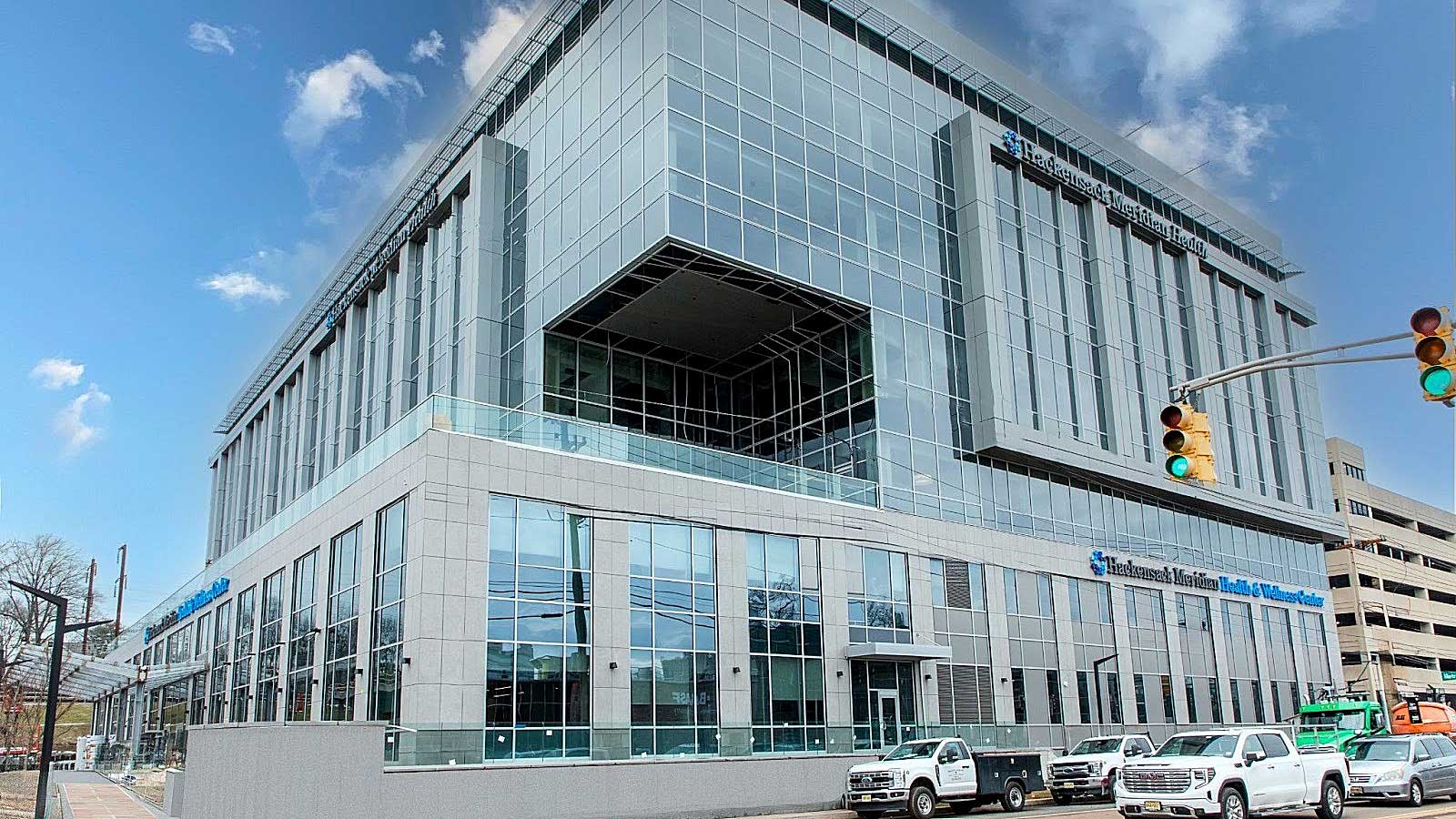
Health-based TOD is becoming an increasingly popular way to rebuild ridership while supporting low-income individuals, people with disabilities, and seniors—all of whom are disproportionately affected by transportation barriers to health care access. Millions of Americans delay or cancel medical appointments every year due to a lack of transportation options. Beyond the Hackensack Meridian Health & Wellness Center, several health-based TOD projects are underway or recently completed in New Jersey.
Camden has two new TODs featuring health facilities, both near PATCO’s Ferry Avenue Station. Virtua Health and The Michael’s Organization opened Oliver Station, a mixed-use, all-affordable development adjacent to the station. The project includes a 5,200-square-foot ground-floor primary care facility—one of the first supported by NJHMFA’s new Hospital Partnership Subsidy Program—along with 47 apartments for seniors earning less than 60 percent of the Area Median Income. A different project near Ferry Avenue Station called Parkside Place will offer 30 affordable units and a federally qualified ground-floor health center when it opens in 2027.
Other examples include the Jack & Sheryl Morris Cancer Center, which opened less than half a mile from New Brunswick Station in 2025, and 20 Littleton Avenue in Newark, a 78-unit affordable housing development and a ground-floor clinic operated by University Hospital, which opened in 2023 and received a 2024 Smart Growth Award.
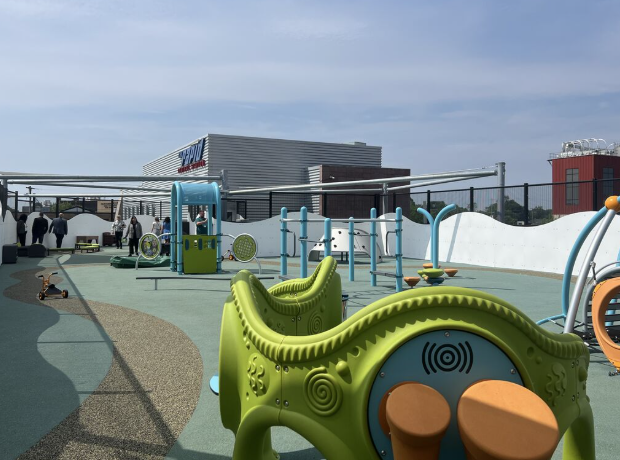
For young families without access to cars, childcare facilities and schools should be accessible by transit. Grand Rapids, Michigan recently opened a 12,000 sq. ft. childcare facility at the Grand Rapids Central Station bus terminal, with slots prioritized for parents who commute by bus. The City pursued the project after an internal survey found 26 percent of riders struggled to access childcare.
Municipalities and transit agencies can also locate transit services near high-quality grocery stores to shrink food deserts—areas where residents lack access to fresh produce. Low-income residents are most affected by food deserts because they are less likely to own vehicles. Several New Jersey projects show how communities can work together to expand access to fresh goods, including SNAP-accepting farmers markets in New Brunswick, transit-oriented grocery stores in Newark and Bloomfield, and initiatives for healthier corner stores in Jersey City.
Finally, to guarantee amenities for all, municipalities could advance the 15-minute city concept by zoning for mixed-uses at moderate density. Connecting residential and commercial districts would significantly boost access to grocery stores, restaurants, banks, shops, and jobs. New Jersey already has this land-use pattern in the form of the traditional main street. Many Transit Village-designated municipalities serve as examples, including Morristown, Burlington, Collingswood, and Metuchen.
Final Thoughts
What would a city or town look like if it catered to all demographics the way college towns cater to students?
Young professionals could find affordable rental units ranging from studios to two- or three-bedroom apartments shared with roommates. As these professionals gain financial security, they could become homeowners purchasing duplexes, townhomes, and other middle housing options—the same opportunity available to empty nesters and downsizers who no longer need the space of an ever-expanding single-family lot. And seniors would have access to homes or apartments that support aging in place through universal design, and then, if needed, supportive living housing.
These homes would sit near high-quality transit options accessible to all abilities. Since every transit rider is a pedestrian at some point, accessible active transportation infrastructure would make walking or cycling an attractive option rather than a danger posed by cars, heat, or poorly maintained sidewalks. Thanks to smart growth mixed-use planning, transit and active transportation would connect residents to all the amenities they need at every life stage. Seniors could take a train or bus—or simply walk—to health care facilities, while parents could drop their children off at a childcare facility located right at their transit station.
Resources
20 Littleton Avenue | New Jersey Future
Accessibility by Public Transport for Older Adults: A Systematic Review | Journal of Transport Geography
Age-Friendly Communities, Housing Tenure, and Affordability: Implications for Older Adult Health | Journal of Aging and Environment
Dunellen Active Transportation Planning Study | Transit Friendly Planning
How Six Cities Are Creating Missing Middle Housing | Regional Plan Association
First-Time Home Buyer Share Falls to Historic Low of 21%, Median Age Rises to 40 | National Association of Realtors
Gentle Density and Missing Middle Housing in New Jersey | Transit Friendly Planning
Metropark: From Transit Hub to Health Hub | NJTOD
Michigan’s First Transit-Hub Childcare Opens in Grand Rapids | Detroit Free Press
Micro-Apartments Coming to Newark, as Concept Expands in New Jersey Cities | Real Estate NJ
Municipal Strategies to Diversify Housing Stock for an Aging Population: A Case Study Report | New Jersey Future
New Brunswick’s Transit Village: The HELIX in Focus | NJTOD
New Jersey Age-Friendly Blueprint | State of New Jersey
N.J.’s Newest Affordable Housing Community Has a Feature That Could Transform Senior Living | NJ.com
NJ TRANSIT to Pilot Microtransit Shuttle in Monmouth and Bergen Counties | NJ TRANSIT