
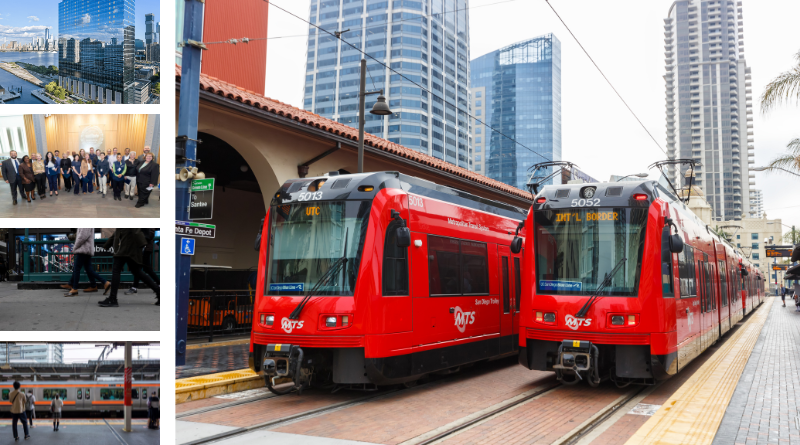
High-rise transit hub bill in CA (right) • Jersey City office-to-residential TOD • Boston funds housing • 2nd Ave Subway advances • Behind Japan’s transit success (left top-to-bottom)
Article of the Week

CALIFORNIA—New Bill Would Bring More High-Rise Housing to Transit Hubs in California’s Largest Cities
Press Release, California YIMBY | April 14, 2026
California legislators introduced AB 2074, which would streamline approvals and financing for high-rise residential construction in transit-rich areas of major cities. The bill aims to increase housing supply, improve affordability, and advance climate goals by concentrating dense housing near transit.
NJ TOD News

PRINCETON—Strengthening Connections
Lea Kahn, Central Jersey | April 17, 2026
Princeton, NJ TRANSIT, and state officials celebrated the reopening of the Princeton Loop Local and Loop Express on April 10. The free service operates on a fixed route connecting key destinations including the Princeton Shopping Center, the Central Business District, and the Princeton Dinky Train Station.
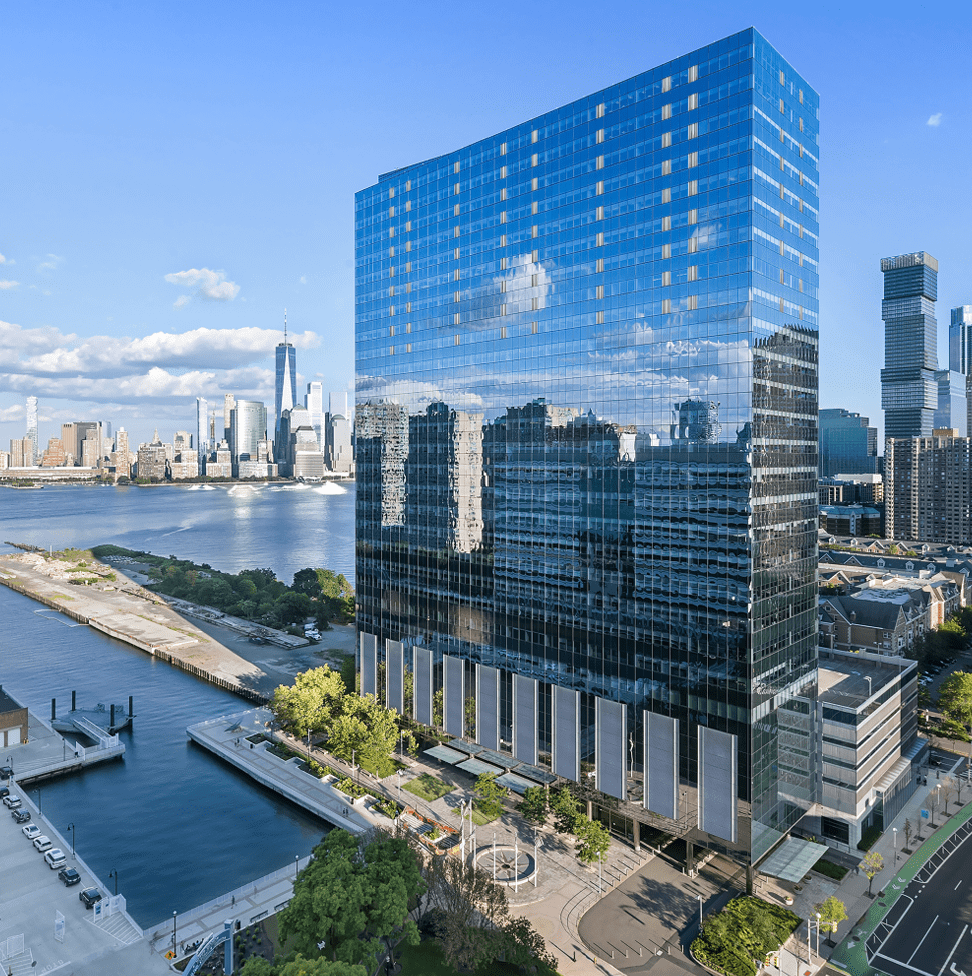
JERSEY CITY—LeFrak to Partially Convert Jersey City Office Tower to Apartments
Chrisy Fry, Jersey Digs | April 16, 2026
The Jersey City Planning Board approved plans to convert the top nine stories of a 29-story office building into 288 apartments. The redevelopment—adjacent to the Newport PATH Station—will include 212 bicycle parking spaces and permeable pavement.
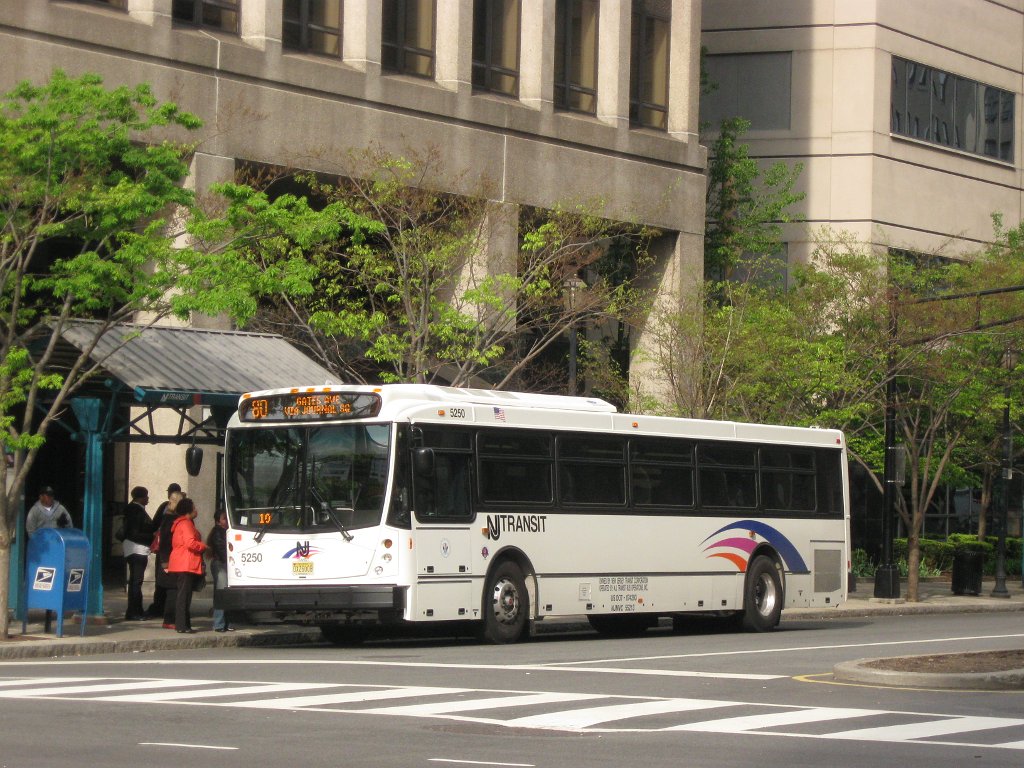
Hudson County Advances Rapid Bus Study Along JFK Boulevard
Staff, TAPinto Jersey City | April 10, 2026
The Hudson County Board of Commissioners voted to advance a feasibility study for a BRT route along John F. Kennedy Boulevard. The project would improve connectivity between Jersey City and Bayonne, while identifying strategies to improve transit safety and reliability—key components of the county’s Vision Zero commitments.
Transit and Equity News
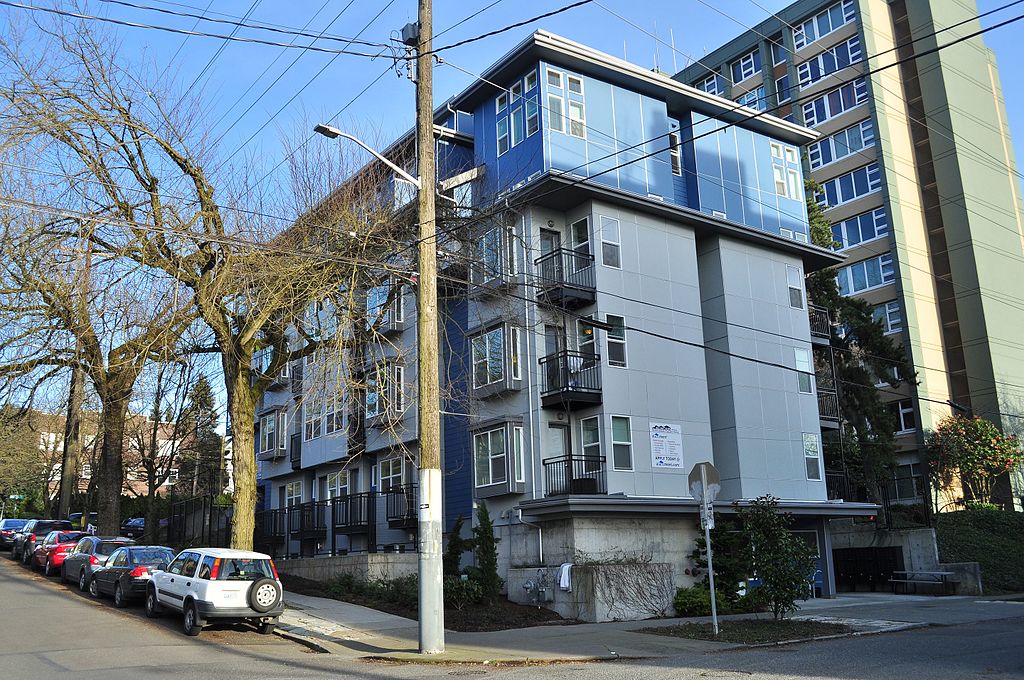
Five Simple Zoning Changes That Any City Can Make to Increase Housing Affordability
Donald Elliott, Planetizen | April 16, 2026
According to Donald Elliot, author of An Even Better Way to Zone and Senior Consultant with Clarion Associates, LLC, municipalities can increase housing supply and affordability through five straightforward zoning reforms. These include allowing mixed-use development, permitting more medium-density housing on institutional properties and in low-density residential areas, removing artificial density limits, and adopting administrative approval procedures.
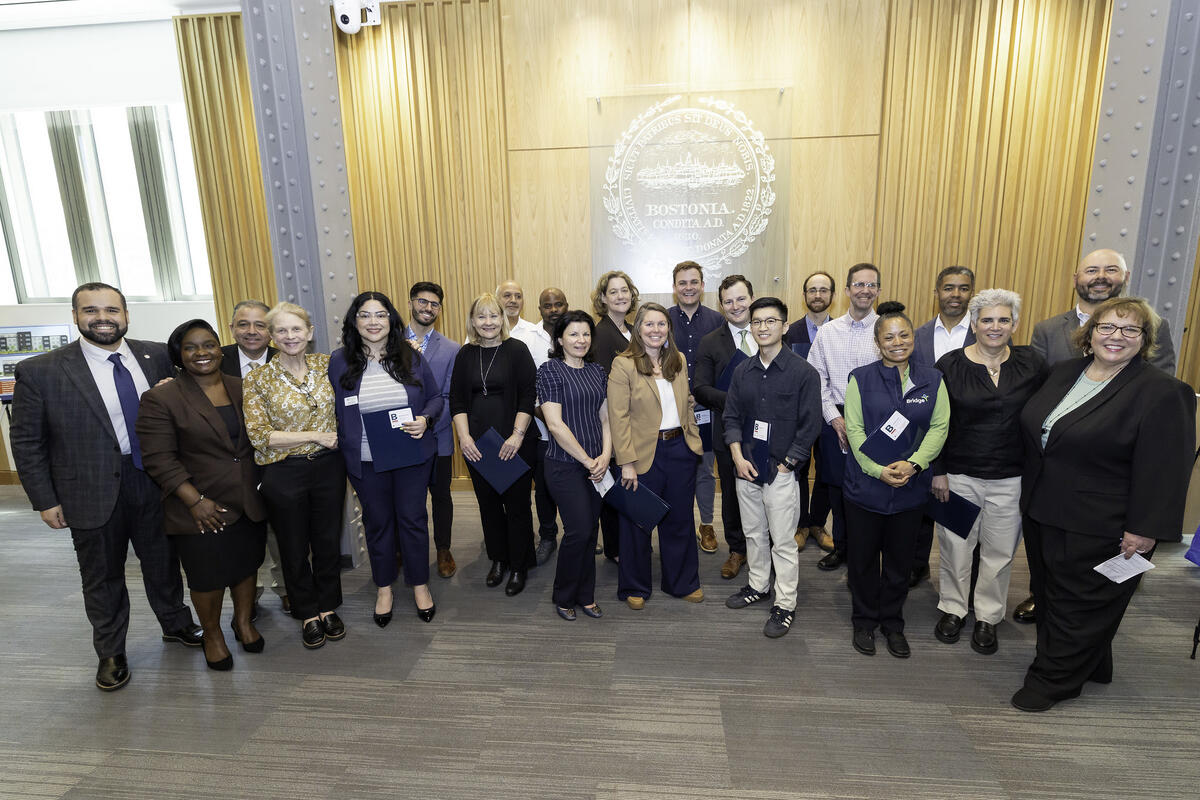
MASSACHUSETTS—The Wu Administration Announces Affordable Housing Funding for Rental Projects Citywide
Press Release, City of Boston | April 15, 2026
The City of Boston will dedicate more than $52 million to support the creation and preservation of affordable housing in 13 developments across nine neighborhoods. The funding will produce 892 income-restricted rental homes with access to open space, transit, and commercial amenities.
Regional and National TOD News
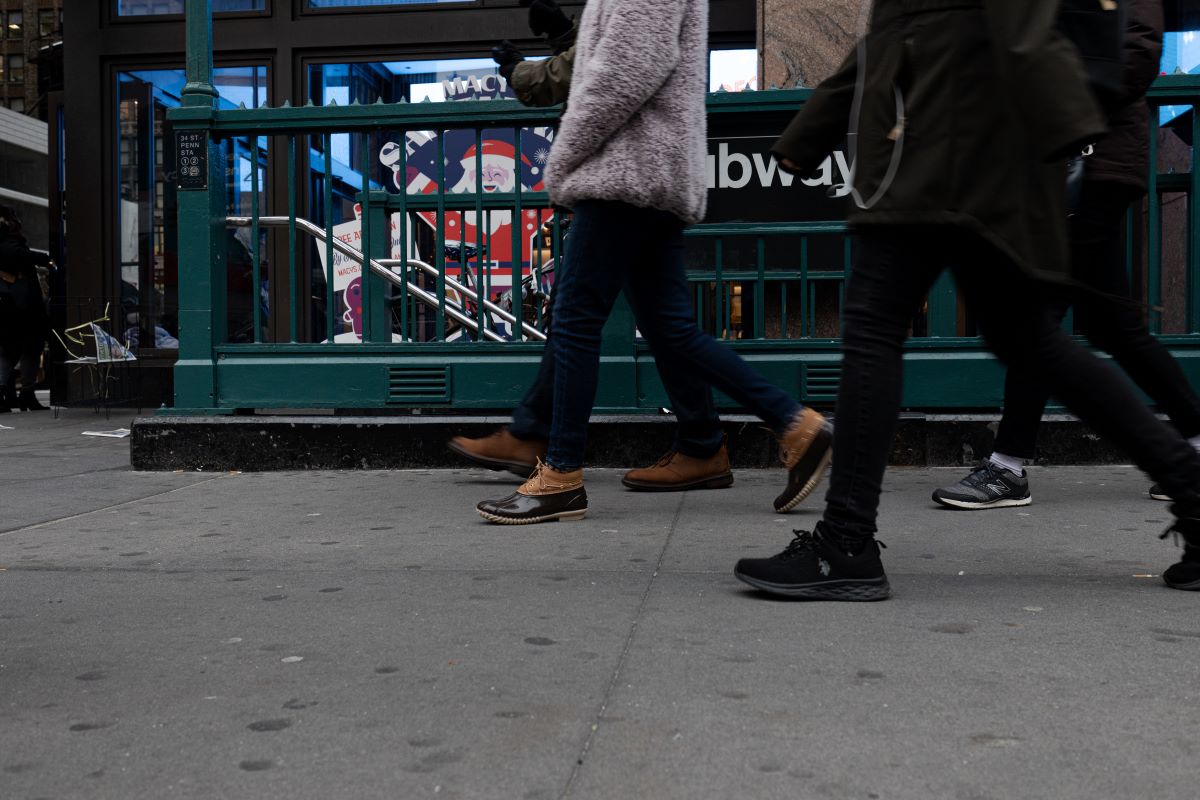
NEW YORK—Trump Administration Will Release 2nd Ave. Subway Funding, in Reversal
Stefanos Chen & Aishvarya Kavi, The New York Times | April 16, 2026
The federal government announced it would reinstate the nearly $60 million previously withheld from New York’s Second Avenue Subway project over “unconstitutional D.E.I initiatives.” MTA officials expect the $7 billion project to reach completion by 2032.
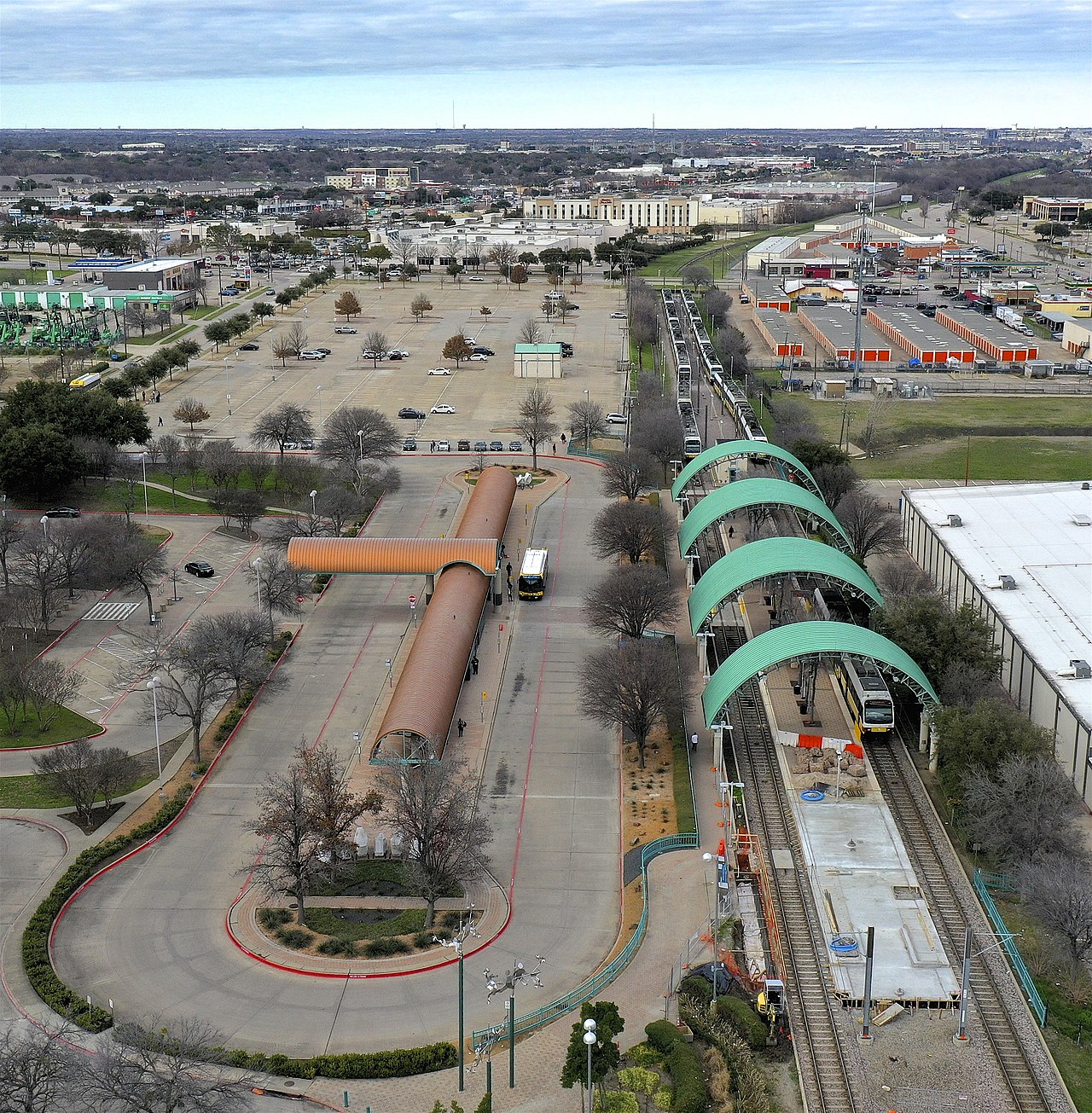
TEXAS—Dallas’ Suburbs Show How Poor Land Use Harms Transit
Jaibin Mathew, Transportation for America | April 15, 2026
Jaibin Mathew, a policy analyst at Transportation for America, argues that transit challenges in the Dallas region stem partly from land-use decisions that limit housing density near stations, suppress ridership, and weaken system performance. Cities such as Plano question the effectiveness of DART light rail while maintaining single-family housing around its stations.
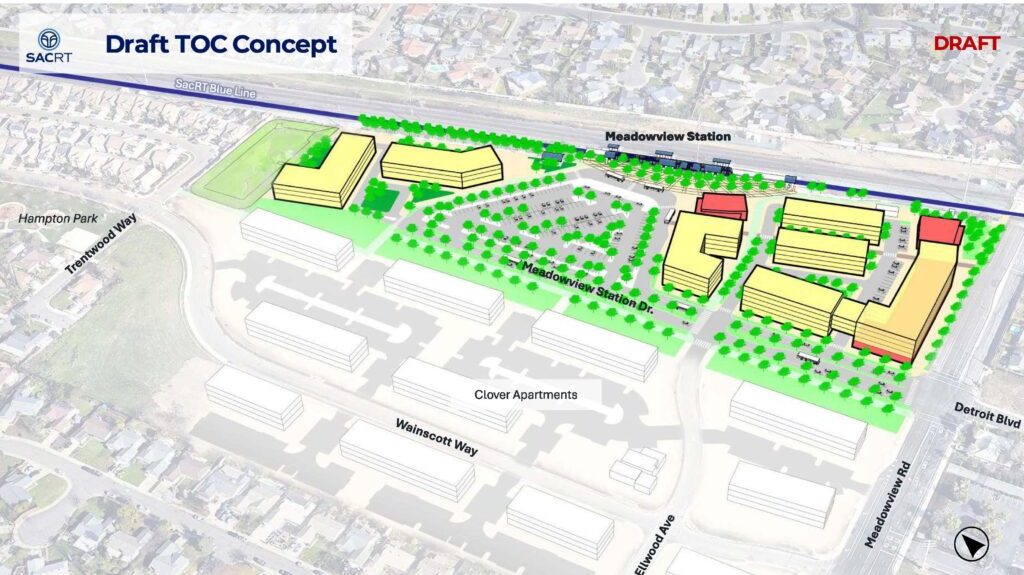
CALIFORNIA—Sacramento’s Meadowview Light Rail Station Parking Lot Could Be Turned Into Housing Development
James Taylor, CBS News | April 13, 2026
Sacramento Regional Transit officials will study redevelopment of Meadowview Station’s park-and-ride lot into a live-and-ride district. The concept would replace an underused parking lot with a mixed-use development featuring hundreds of apartments and rowhomes, supported by state affordable housing grants.
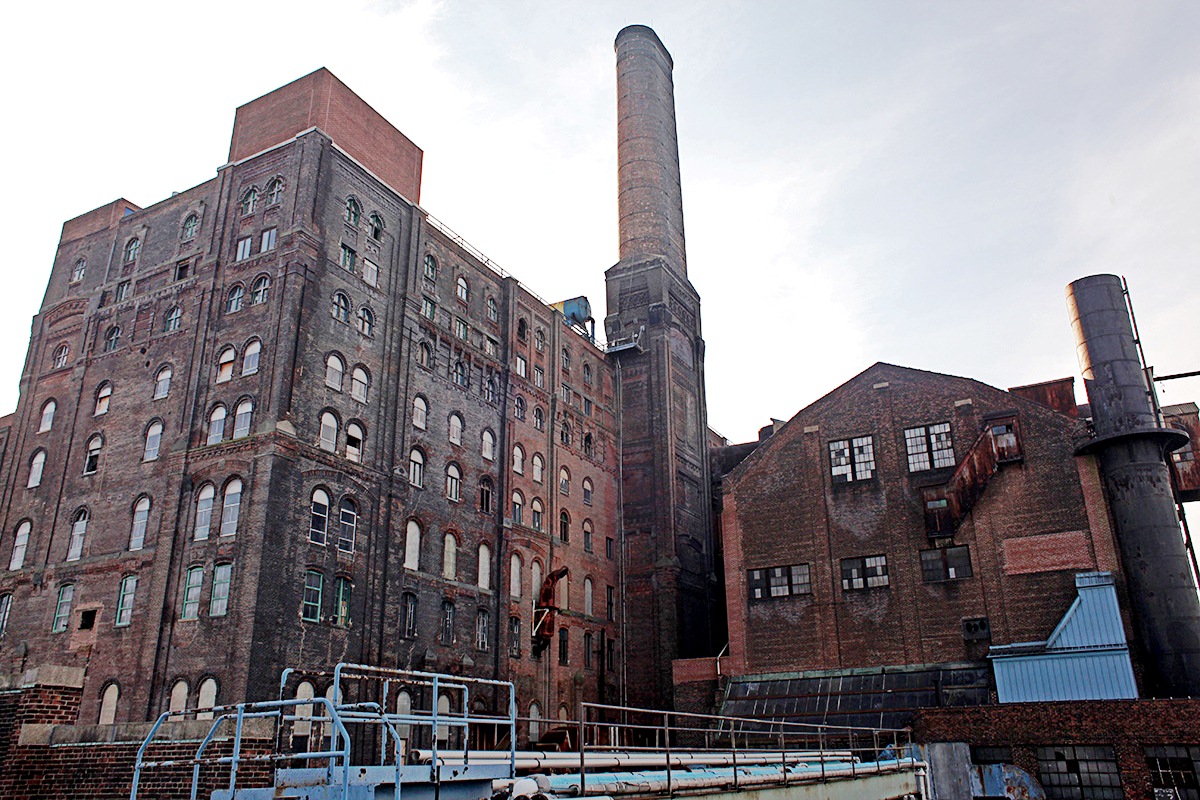
NEW YORK—Former Yonkers Domino Sugar Site Up for Redevelopment
Holden Walter-Warner, TheRealDeal | April 13, 2026
Cushman & Wakefield plan to sell the 33-acre Domino Sugar refinery site in Yonkers. Recently rezoned for up to 2.6 million sq. ft. of mixed-use development and 2,600 residential units, the waterfront property—located between two Metro-North stations—could become a major hub as development expands across Westchester County.
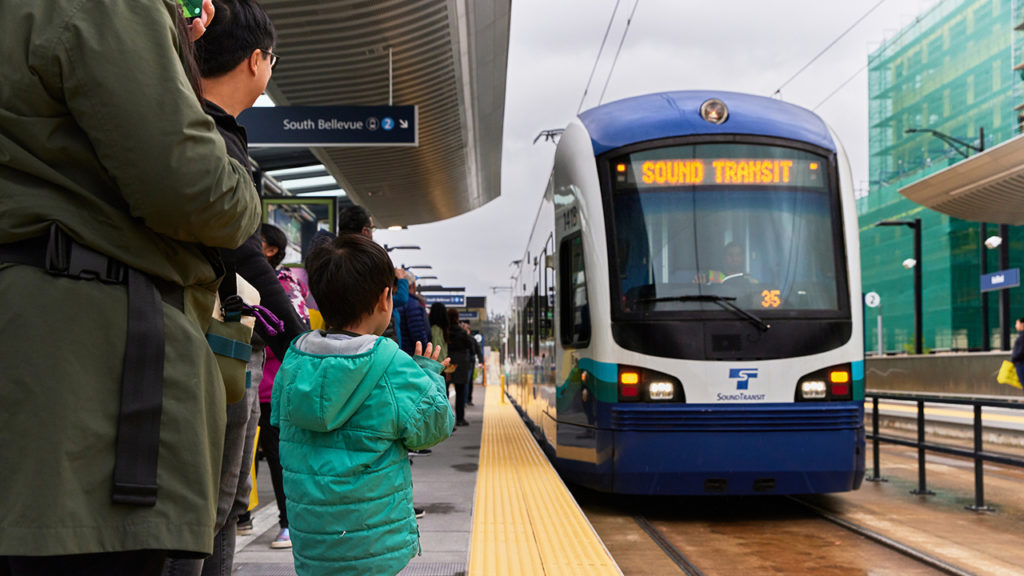
WASHINGTON—Light Rail Connection Arrives in Bellevue at a Political Inflection Point
Ryan Packer, The Urbanist | April 13, 2026
Light rail trains are already packed in Downtown Bellevue only two weeks after the Crosslake Connection opened. Long-term transit-friendly planning concentrated growth near the corridor, with roughly 14,000 homes recently built or under development in Downtown Bellevue.
International TOD News

APTA Joins Global Partners to Celebrate Inaugural World Public Transport Day
Staff, Passenger Transport | April 17, 2026
April 17 marks the inaugural World Public Transport Day, which highlights the role of public transportation in building stronger communities. The initiative is led by the International Association of Public Transport (UITP) and is promoted on social media through #WorldPublicTransportDay.
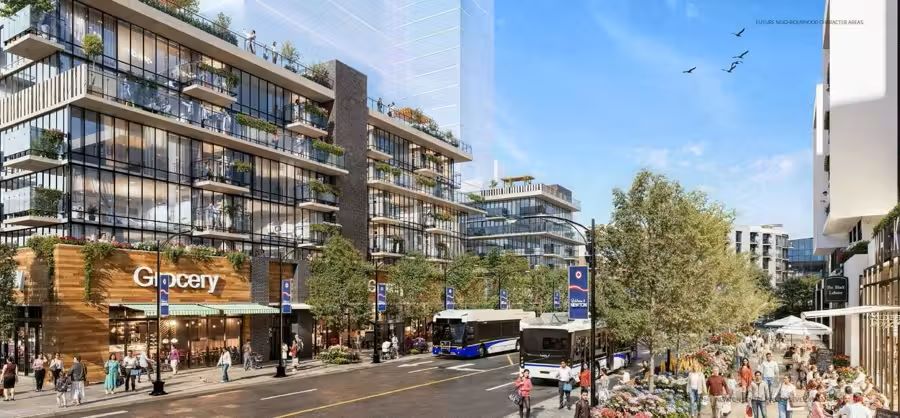
CANADA—Surrey and TransLink Unveil 41-Acre Newton Centre Master Development Plan
Howard Chai, Storeys | April 14, 2026
Surrey City Development Corporation and TransLink unveiled a 30-year plan to transform 41 acres of public land into a transit-oriented town center. The project envisions up to 2.2 million sq. ft. of development, 2,200 homes, retail space, parks, and stations on a new BRT line.
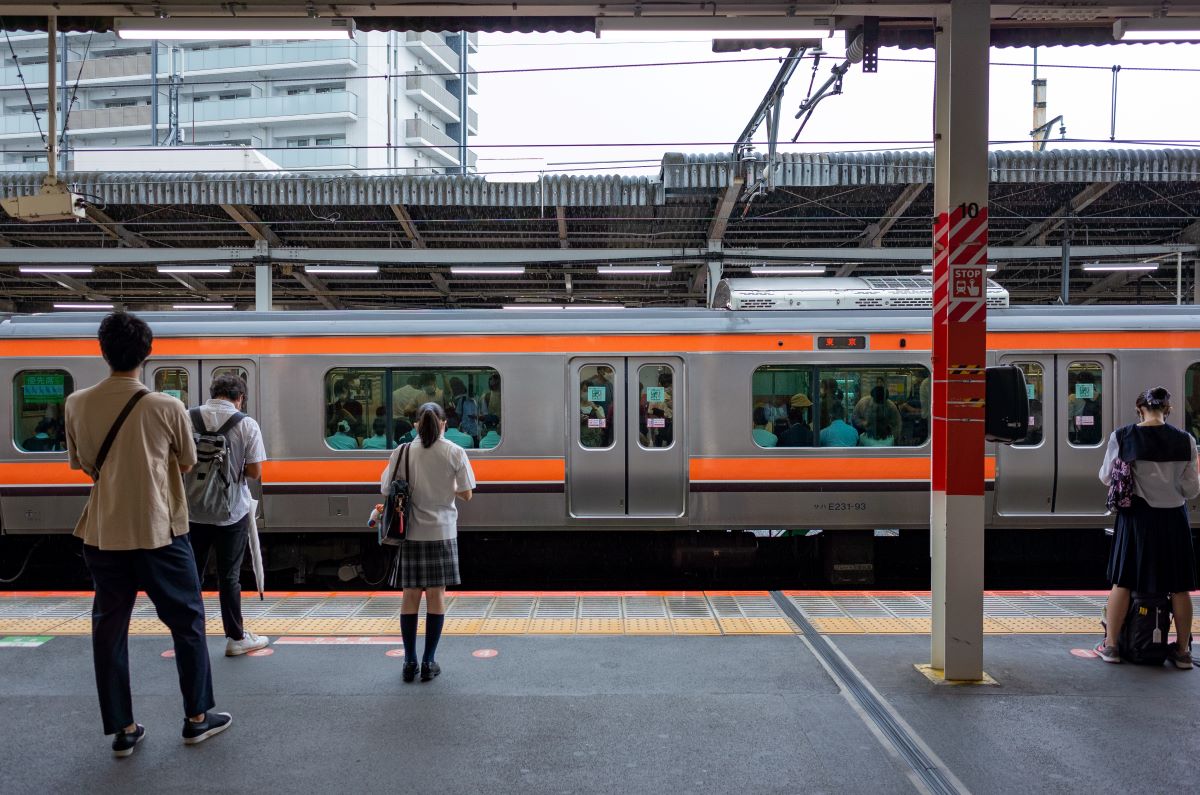
JAPAN—Why Japan Has Such Good Railways
Matthew Bornholt & Benedict Springbett, Works in Progress | April 7, 2026
Bornholt and Springbett examine the policy, economic, and land-use factors behind Japan’s highly productive rail system. They argue that its success reflects a combination of transit-friendly land use, strong non-farebox revenue, high labor productivity, and limited reliance on car travel. Early U.S. rail systems operated similarly, but 20th-century car subsidies, low-density zoning, price controls, and antitrust policies led the two countries’ rail systems to diverge.