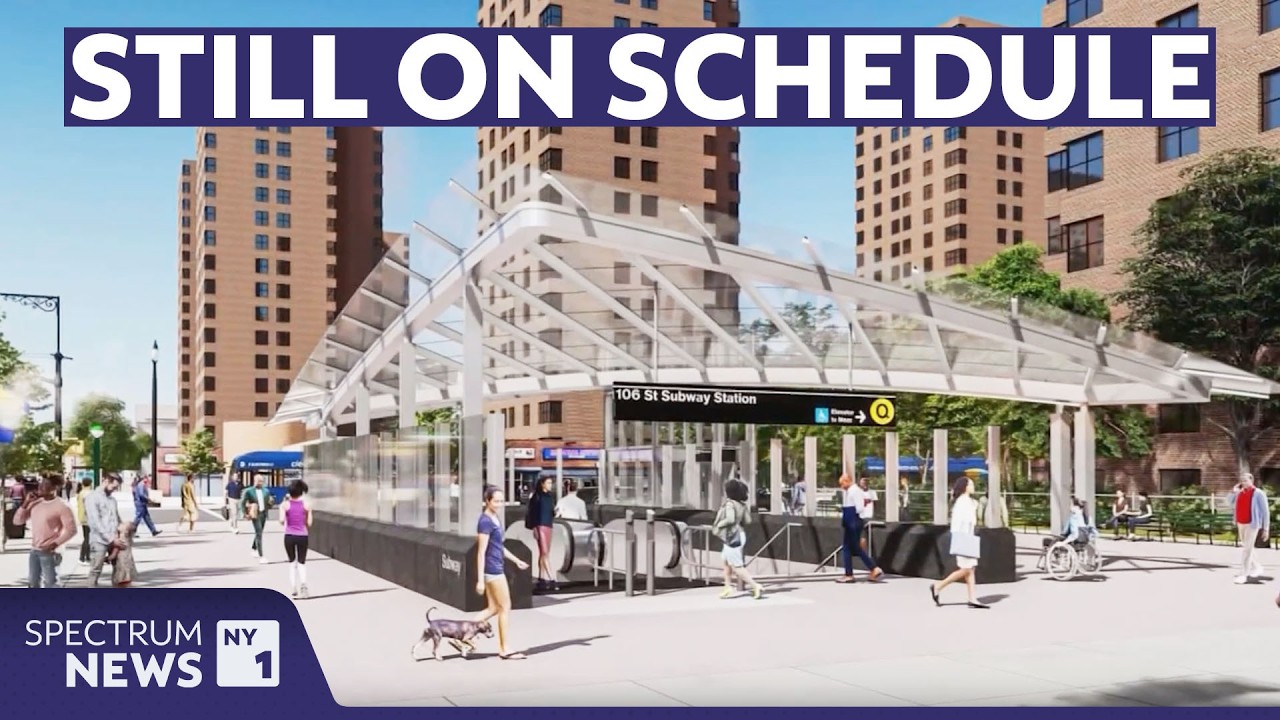
Mayor Mamdani released the largest affordable housing plan in NYC history, aiming to create and preserve 400,000 affordable homes over the next decade.
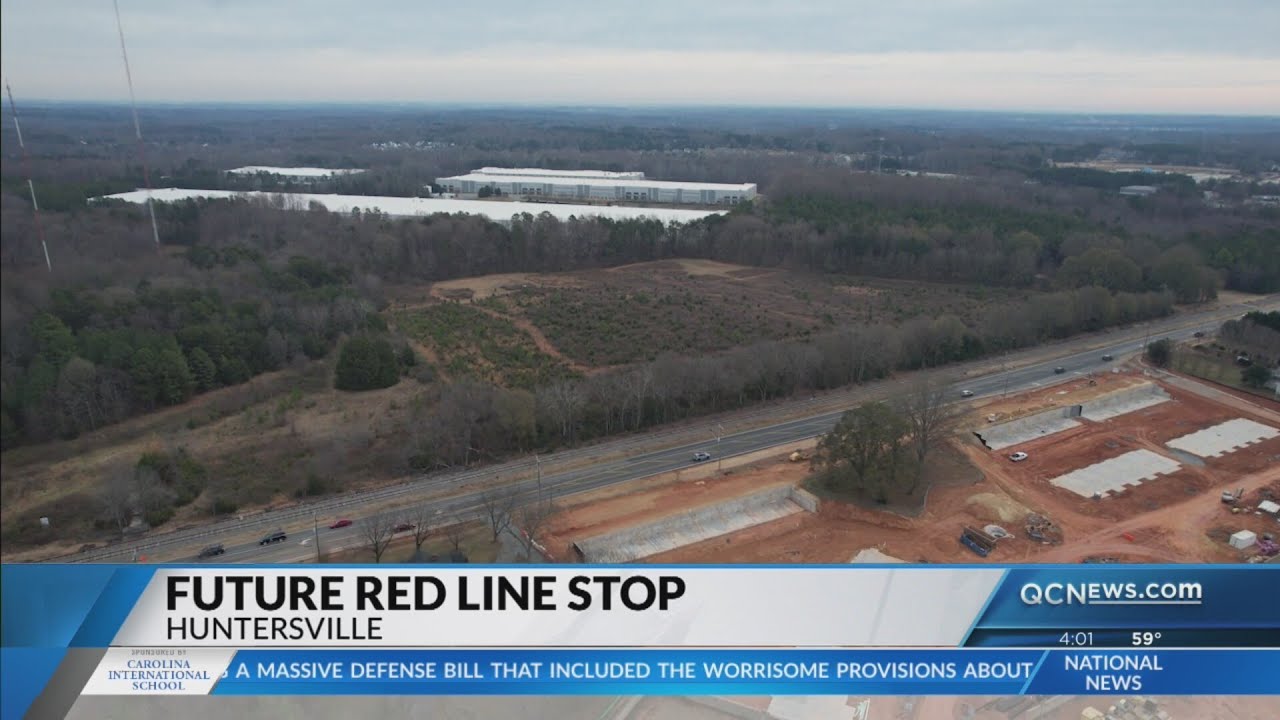
Town Board members in Huntersville, North Carolina approved an $80 million project to transform 21 acres of underutilized land near a proposed Lynx Red Line commuter rail station into a new walkable neighborhood.
In 2020, the City of Barcelona recast a two-month pandemic lockdown into an opportunity. Now there are 13 miles of new bike lanes painted over the old car lanes.
Too much parking? Cities in the U.S. and elsewhere have begun to look at how parking requirements influence development patterns, impede housing development, and limit small business growth.
Following last year’s legislation encouraging office-to-residential conversions, San Francisco is rolling out new incentives to offset rising construction costs and boost downtown revitalization.
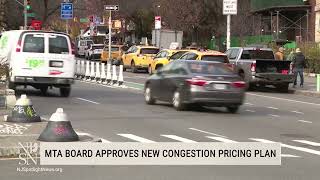
The MTA announced that congestion pricing generated $48.7 million in January, putting it on track to exceed $570 million for the year—well over the transit agency’s $500 million projection.
Gov. Phil Murphy delivered his seventh State of the State address Tuesday as he enters his final year in office. In his address before a joint session of the Legislature in Trenton, Murphy not only highlighted his administration's achievements but also outlined key priorities for his final year.
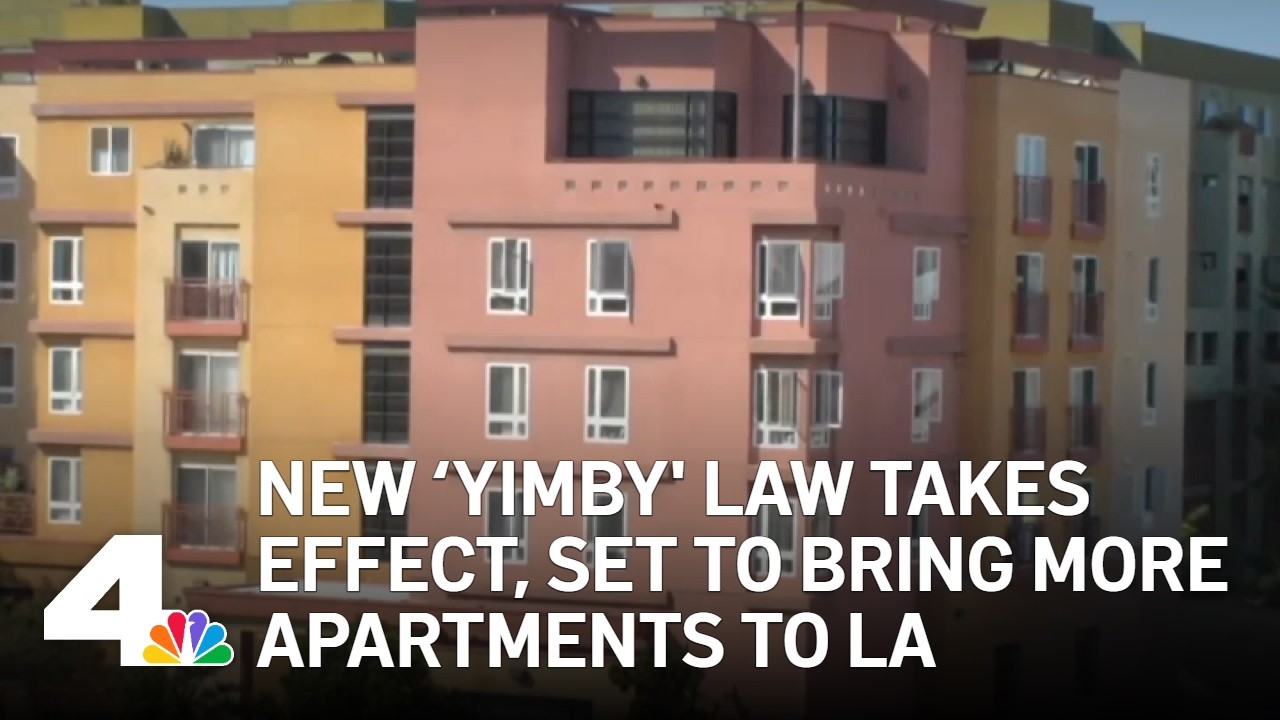
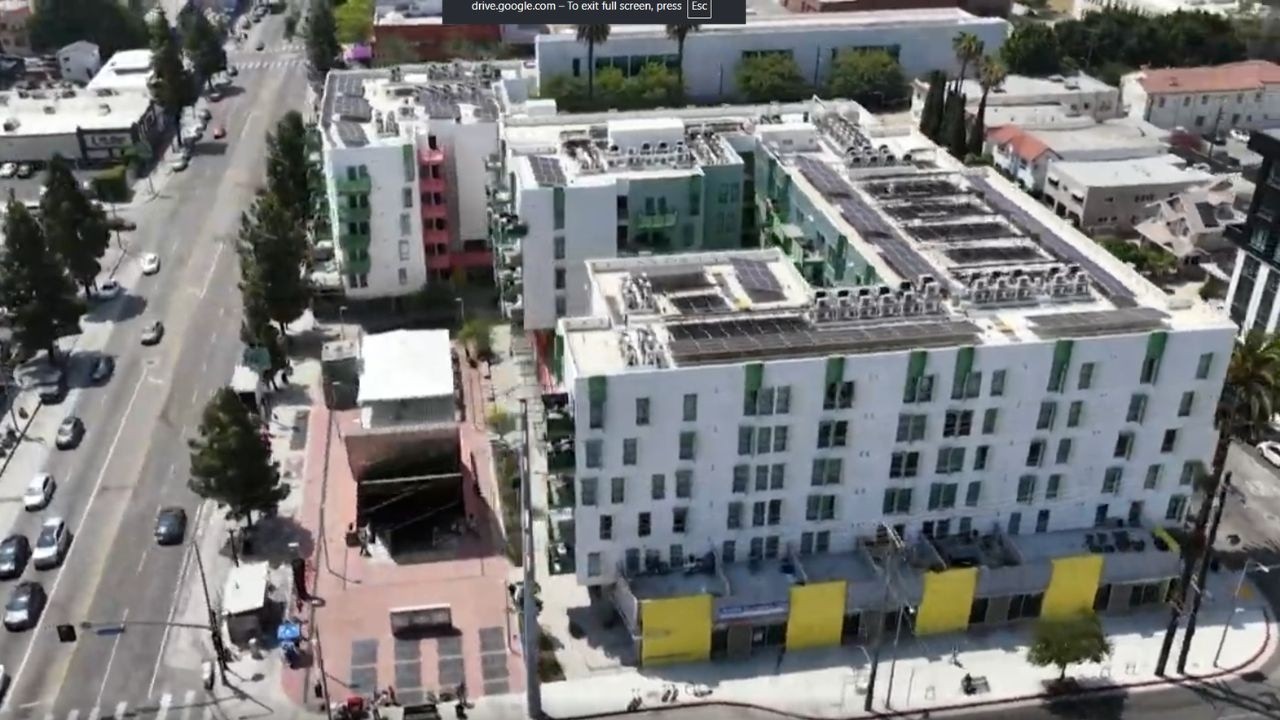
California's Abundant and Affordable Homes Near Transit Act (SB 79) has taken effect, allowing higher-density housing to be built within a half-mile of major transit stops.
A wave of new residential development, spurred by projects like the HELIX (see New Brunswick’s Transit Village: The HELIX in Focus), highlights the city's transit access on the Northeast Corridor and builds on years of planning efforts. Designated a New Jersey Transit Village in 2005, New Brunswick exemplifies a Transit Friendly Urban Neighborhood.